Already a subscriber? Make sure to log into your account before viewing this content. You can access your account by hitting the “login” button on the top right corner. Still unable to see the content after signing in? Make sure your card on file is up-to-date.
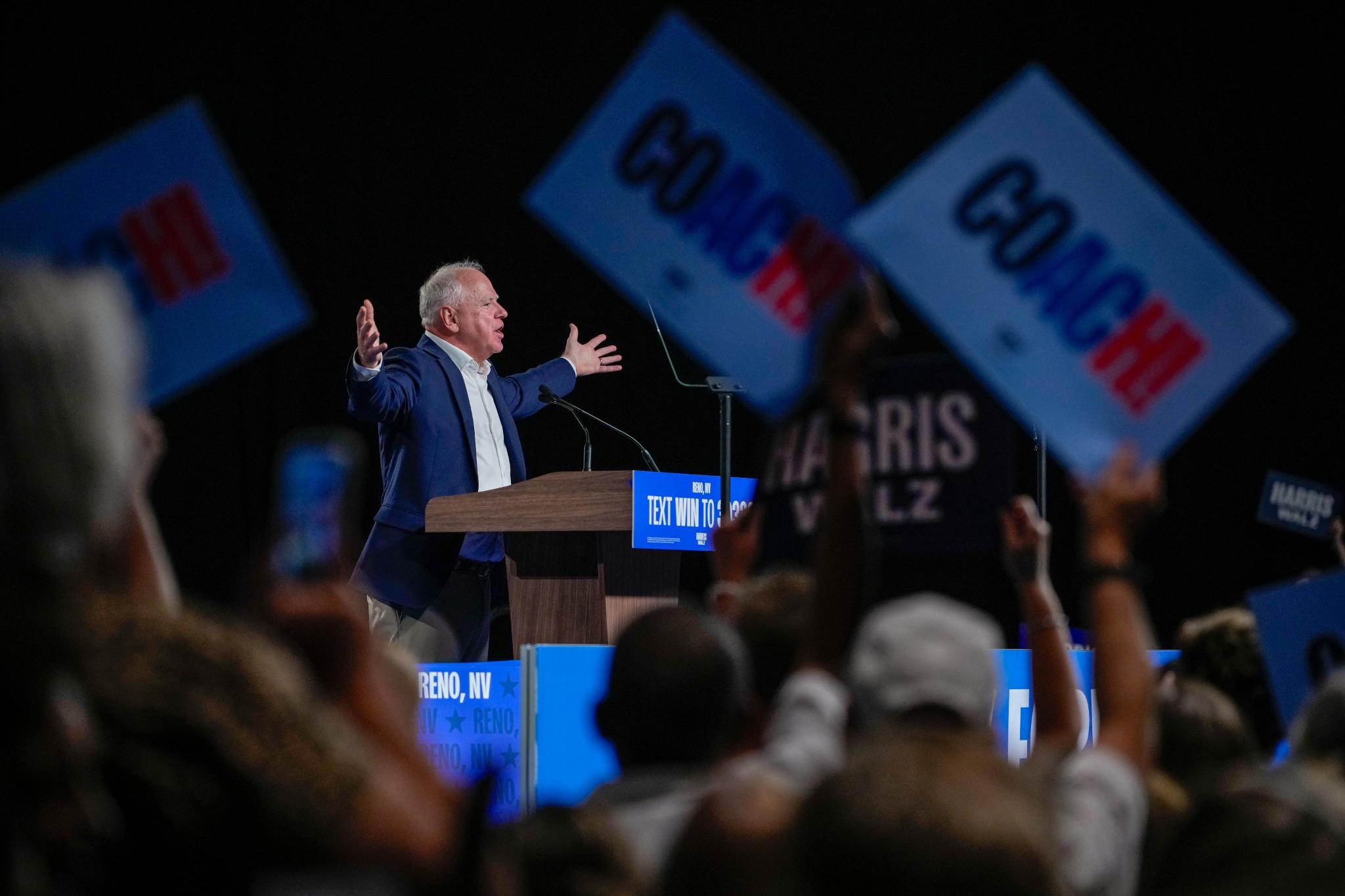
Minnesota Governor Tim Walz has defended his administration’s actions to combat fraud in state-funded social service programs following a viral video that showed childcare centers that receive millions in state funding appearing empty during business hours.
Some shit you should know before you dig in: If you’re unaware, Nick Shirley recently released a video that quickly went viral on YouTube showing him visiting several Somali-owned childcare centers in Minneapolis that appeared to have no children present despite receiving millions in taxpayer-funded subsidies. In one part of the video, he stood in front of a facility labeled “Quality Learing Center,” featuring a misspelled sign outside a building that was supposed to care for 99 children but appeared abandoned. Reactions to the video have been mixed. One side of the aisle has praised Shirley for exposing what they describe as “obvious, large-scale fraud” and criticized mainstream media for ignoring the story. On the other side, critics have questioned when the video was taken, noting it was “likely” filmed right before Christmas. They have also argued that the video fuels “racial” or “anti-Muslim sentiment.”

What’s going on now: Governor Walz’s office has pushed back against allegations that he’s not doing enough to stop fraud in Minnesota’s public assistance programs, stressing that his administration has made substantial efforts to strengthen oversight and accountability. “The governor has worked for years to crack down on fraud and ask the state legislature for more authority to take aggressive action,” a spokeswoman for Walz told Fox News. The office detailed a series of actions taken under Walz’s leadership, including hiring an outside firm to audit high-risk program payments, shutting down the Housing Stabilization Services program, appointing a statewide program integrity director, and supporting criminal prosecutions. “He has strengthened oversight, including launching investigations into these specific facilities, one of which was already closed,” the spokesperson said.
Despite these claims, a group of Minnesota Republican lawmakers is calling for Walz’s resignation, citing what they describe as a failure of leadership in preventing widespread fraud. In a joint statement, State Senators Bill Lieske and Nathan Wesenberg, along with Representatives Marj Fogelman, Drew Roach, and Mike Wiener, said, “This is not about politics or stunts, and we do not make a call like this lightly. The office of the governor deserves respect, and we have tried to give Gov. Walz time to act. But leadership means doing the right thing even when it is difficult, which is why we are calling on Gov. Walz to resign.” They argue that Walz’s inaction qualifies as “nonfeasance” under the Minnesota Constitution’s standards for recall, stating, “The governor had a duty to oversee his administration and protect these programs. He failed. There needs to be consequences.”
The governor’s office responded by rejecting the resignation demands as politically driven and reaffirming that Walz has consistently worked to support law enforcement and expand state authority to root out fraud. Walz also pushed back against rhetoric he says unfairly targets migrant communities, particularly in light of federal prosecutors’ statements that most of the individuals charged in connection to the fraud are of Somali ancestry. “Sitting on the sidelines and throwing out accusations, and let’s be very clear, demonizing an entire population and lying to people about the safety and security of this state, is beneath that,” Walz told the Associated Press.
This all comes as the broader fraud investigation continues to grow in scope. Federal authorities are now examining potential misconduct in 14 Medicaid-funded programs, expanding their probe beyond the initial three programs previously under scrutiny. According to The New York Times, preliminary findings suggest that more than half of the $18 billion in taxpayer funding allocated to these programs may have been stolen, with some funds possibly being sent back to Somalia and ending up in the hands of terrorist organizations, including Al Shabab.
Related posts:
 Updates From Middle East
 A Deep Dive: Influencers and “Independent” Journalists on Both Sides Being Paid to Advance Political Talking Points
 Republican Oversight Committee Subpoenas DHS Over Alleged Ties Between Governor Tim Walz and China, Claims Investigation Began Before Walz Selection as Harris’s VP Nominee
 Trump Calls for Revocation of Temporary Protected Status for Somali Migrants in Minnesota