Already a subscriber? Make sure to log into your account before viewing this content. You can access your account by hitting the “login” button on the top right corner. Still unable to see the content after signing in? Make sure your card on file is up-to-date.
The head of CBS has pushed back against mounting internal and public criticism over her decision to pull a “60 Minutes” segment on El Salvador’s CECOT prison.
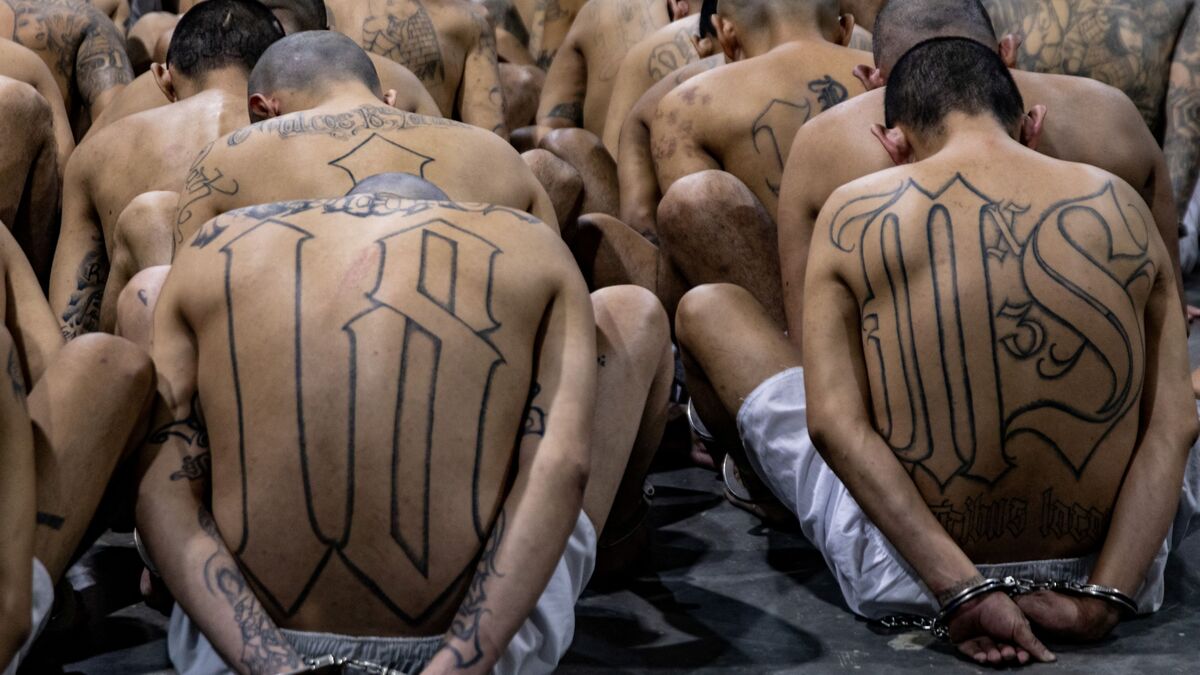
Some shit you should know before you dig in: Earlier last week, CBS ignited a firestorm after a correspondent with 60 Minutes accused the network of political censorship following the abrupt decision to pull a highly anticipated segment hours before it was set to air. The report, titled “Inside CECOT,” investigated allegations of abuse in a Salvadoran prison housing Venezuelan migrants deported by the Trump administration. At the center of the controversy is CBS’s new editor-in-chief, Bari Weiss, who made the call to shelve the piece. Despite the segment having cleared legal and editorial reviews, Weiss overruled the 60 Minutes team, sparking internal dissent and public scrutiny. Some claimed that the move amounts to self-censorship driven by corporate and political pressures, particularly as CBS’s parent company, Paramount, pursues high-stakes merger deals requiring federal approval that President Trump has openly said he intends to influence.

What’s going on now: In a notable development, Bari Weiss has forcefully defended her decision, pushing back against claims of political interference. In a memo to CBS staff, Weiss framed the move as essential to restoring public trust in the press. “Right now, the majority of Americans say they do not trust the press. It isn’t because they’re crazy,” she wrote. “To win back their trust, we have to work hard… Sometimes it means holding a piece about an important subject to make sure it is comprehensive and fair.”
She dismissed the backlash as overblown, attributing the uproar to what she described as a “slow news week” and arguing that tough editorial standards will naturally provoke resistance. Among her specific concerns were that the segment lacked key on-the-record voices from the Trump administration, did not fully explain the legal rationale for the deportations, and failed to provide necessary context around the prison and the deportees.
This all comes as a version of “Inside CECOT” was mistakenly distributed on Canada’s Global TV app, briefly allowing the public to stream it despite CBS’s decision to pull it. Weiss didn’t directly address this, but CBS called it a distribution error and moved quickly to take it down.
Related posts:
 CBS Gets Shit for Pulling 60 Minutes Investigation Into El Salvador’s CECOT Prison
 Updates From Middle East
 A Deep Dive: Influencers and “Independent” Journalists on Both Sides Being Paid to Advance Political Talking Points
 Annual US Threat Assessment Says Russia Has ‘Upper Hand’ in Ukraine, Circumvents Sanctions via China & BRICS Nations