Already a subscriber? Make sure to log into your account before viewing this content. You can access your account by hitting the “login” button on the top right corner. Still unable to see the content after signing in? Make sure your card on file is up-to-date.
Australian officials have vowed to crack down on hate speech and gun laws after the deadly Bondi Beach terrorist attack targeting a Jewish community event.
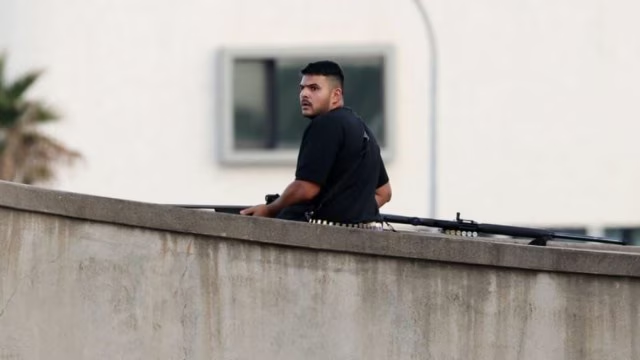
Some shit you should know before you dig in: Earlier this month, a father-son duo carried out a terrorist attack at a Hanukkah ceremony near Bondi Beach, killing 15 people and injuring dozens more, including a 10-year-old girl and a Holocaust survivor. Police say the attackers, Sajid Akram, 50, who was shot dead at the scene, and his son Naveed Akram, 24, who survived and has been charged with multiple terrorism and murder offences, were inspired by ISIS. Investigators recovered ISIS flags from their vehicle, along with videos in which they condemned “Zionists” and outlined their motivations. Investigators say the pair meticulously planned the attack for months. The shooting came amid warnings from Israel to Australian authorities about rising antisemitism and extremist threats targeting Jewish communities. In the aftermath, police have faced criticism over intelligence failures, monitoring of radicalisation, and gun licensing oversight, particularly given that one of the attackers legally owned multiple firearms despite alleged extremist ties.
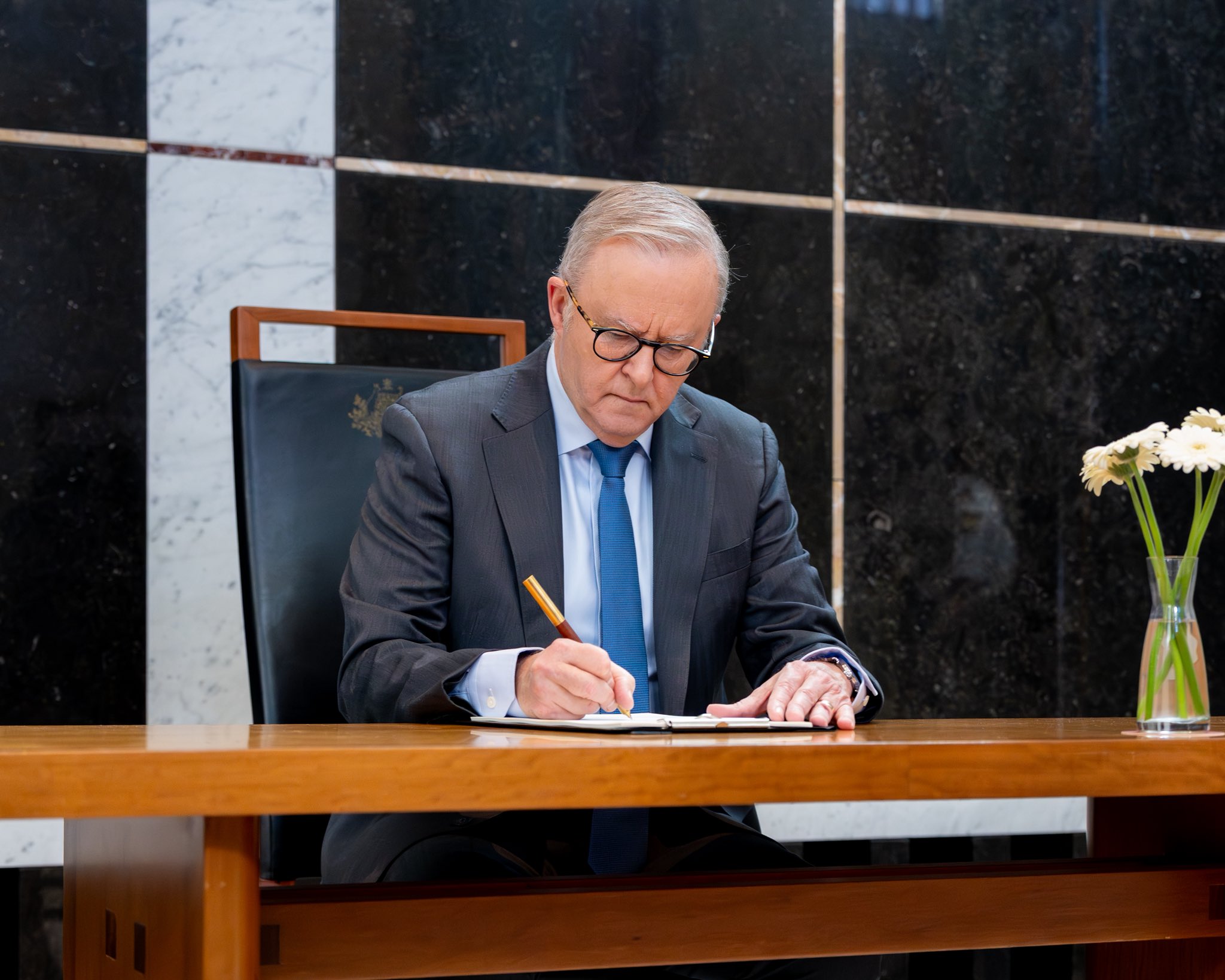
What’s going on now: In a notable development, Australian Prime Minister Anthony Albanese announced a crackdown on hate speech, saying new laws would target “those who spread hate, division and radicalisation.” He said his government would introduce a new federal offence of “aggravated hate speech,” impose penalties on preachers and leaders who promote violence, and ensure hate is treated as an aggravating factor in sentencing for crimes includingonline threats and harassment. “Every Jewish Australian has the right to feel safe, valued and respected for the contribution that they make to our great nation,” Albanese said, adding that the attackers “sought to turn Australians against each other.”
Albanese also acknowledged failures by his government in addressing antisemitism prior to the attack, particularly following the October 7 Hamas assault on Israel. “I accept my responsibility for the part in that as prime minister of Australia,” he said, conceding that more could have been done earlier to confront rising hatred and extremist rhetoric. At the same time, he stressed the need for national unity, saying, “What people are looking for at this time isn’t more division,” and warning against allowing terrorists to fracture Australian society.
Alongside hate speech reforms, authorities have moved to significantly tighten gun laws. Proposed measures include capping the number of firearms an individual can own, shortening licence renewal periods, and reviewing which weapons should be legally available. Albanese signalled support for these changes despite Australia already having strict gun regulations, arguing the country could not “pretend that the world is the same as it was before that terrorist incident.”
This all comes as some critics have warned the fast-tracked hate speech and gun law reforms risk overreach and unintended consequences. Legal advocates have raised concerns that new offences such as “aggravated hate speech” and expanded police powers may blur the line between incitement to violence and political speech, particularly around Israel-Palestine.
Pro-gun groups, meanwhile, say tighter firearm caps and licensing rules unfairly punish law-abiding owners for failures in intelligence and enforcement, while doing little to address radicalisation.
Related posts:
 Updates From Middle East
 Israeli Prime Minister Calls Australian PM Weak After Announcing Plans to Recognize Palestinian State
 A Deep Dive: Influencers and “Independent” Journalists on Both Sides Being Paid to Advance Political Talking Points
 Chinese President Says China-Australia Relations Have “Turned Around” Following Meeting With Australian Prime Minister