Already a subscriber? Make sure to log into your account before viewing this content. You can access your account by hitting the “login” button on the top right corner. Still unable to see the content after signing in? Make sure your card on file is up-to-date.
France has clapped back at the United States after a top US official alluded that France’s decision to recognize Palestine could result in the collapse of ceasefire negotiations and further destabilize the region.
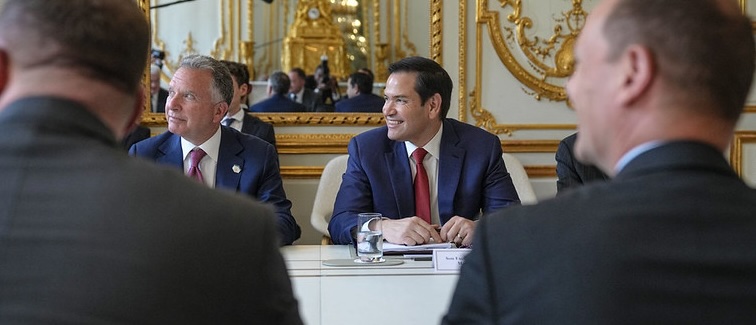
Getting into it: In a rare public rebuke, the French foreign ministry directly responded to Secretary of State Marco Rubio’s claims, saying, “No, @SecRubio, the recognition of the State of Palestine did not cause the breakdown of hostage negotiations,” the ministry posted on its official “French Response” X account, which was recently launched to counter foreign misinformation. The account backed its claim with timestamped posts from Israeli Prime Minister Benjamin Netanyahu and President Emmanuel Macron, arguing that “the negotiations had already collapsed before France’s announcement.”

French officials accused Rubio of misrepresenting the timeline to shift blame, stating that this narrative “is diverting attention from the real responsibility of Hamas in the deadlock.”
French Foreign Minister Jean-Noël Barrot also said the decision was consistent with France’s long-standing support for a two-state solution and called the creation of the “French Response” account part of a broader strategy to “push back against all those abroad who want to damage France’s image.” The French government, however, maintains that statehood recognition is “an essential and indispensable component of the achievement of the two-state solution,” as stated in a joint declaration with Saudi Arabia at the United Nations.
Rubio, meanwhile, has continued to double down on his assertions, stating, “The day that the French announced the thing they did, that day, Hamas walked away from the negotiating table.” He argued that France’s move gave Hamas the political cover it needed to increase its demands and halt negotiations. Rubio has also suggested that Western recognition of Palestine could lead Israel to take retaliatory measures, such as annexing parts of the West Bank.
Israel has echoed these sentiments, with top officials warning France that unilateral recognition would “undermine stability in the Middle East” and damage diplomatic relations. Israeli Foreign Minister Gideon Sa’ar told his French counterpart that Macron “will not be welcome” in Israel if the recognition plan proceeds, while Netanyahu accused the French president of appeasement and fueling antisemitism in France.
This growing diplomatic standoff comes ahead of the United Nations General Assembly later this month, where France is expected to formally recognize Palestine, alongside several other nations including Canada, Australia, Belgium, and the United Kingdom. These countries argue that recognition is a necessary step to revitalize the long-stalled peace process and pressure both parties toward a negotiated settlement.
Related posts:
 Updates From Middle East
 A Deep Dive: Influencers and “Independent” Journalists on Both Sides Being Paid to Advance Political Talking Points
 French Officials Summon US Ambassador After Open Letter Calling on Macron to Address Antisemitism in France
 Belgium Announces Plan to Recognize Palestine, Sanctions Israeli & Hamas Leaders