Already a subscriber? Make sure to log into your account before viewing this content. You can access your account by hitting the “login” button on the top right corner. Still unable to see the content after signing in? Make sure your card on file is up-to-date.
Vladimir Putin has admitted there was no actual agreement with President Trump to end the war in Ukraine, undercutting months of Kremlin claims that a diplomatic breakthrough was reached at their Alaska summit last August.
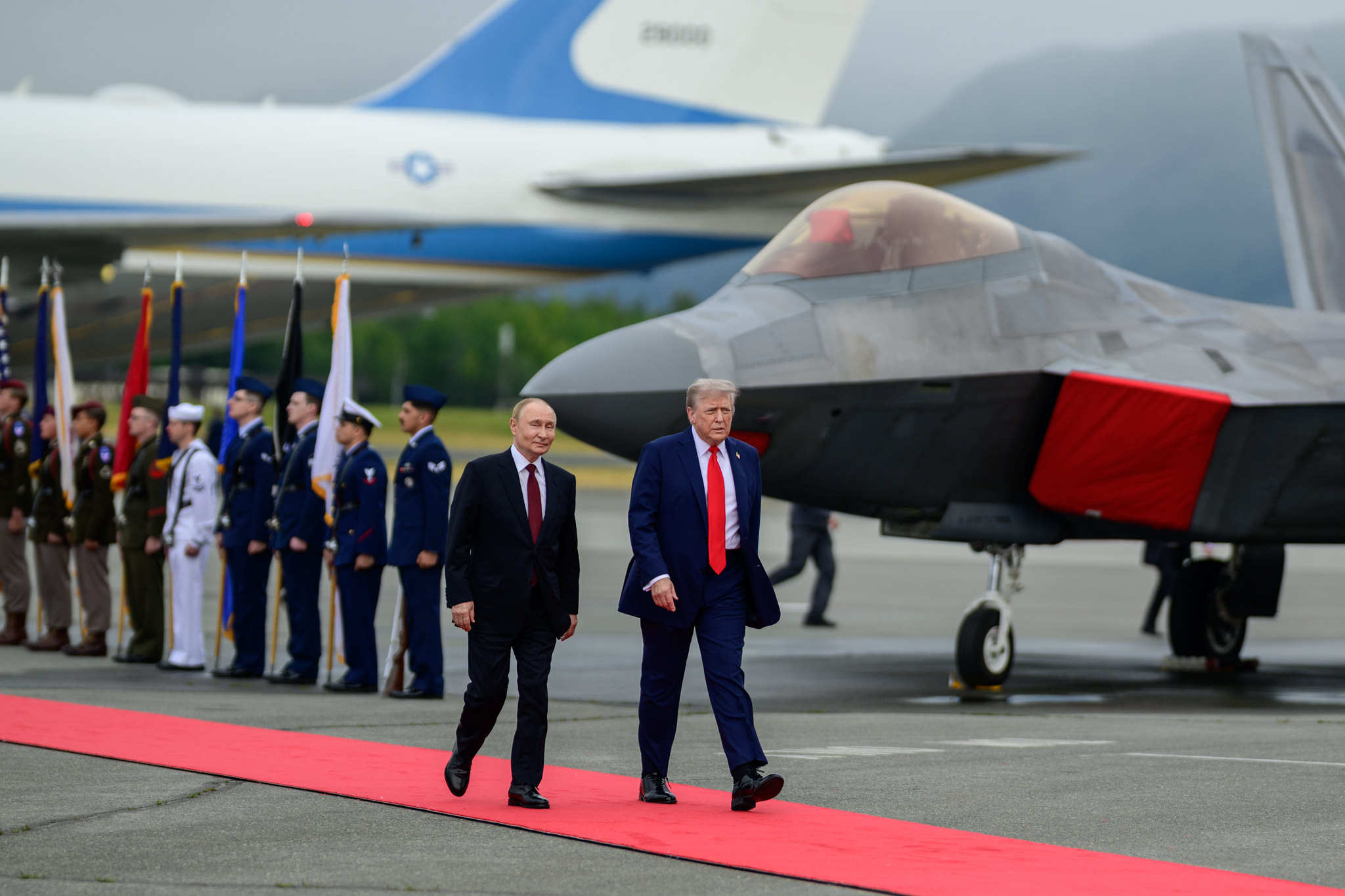
Some shit you should know before you dig in: Back in August, Trump hosted Russian President Vladimir Putin for a summit in Anchorage, Alaska, that the Kremlin spent the following months portraying as a turning point in the more than four-year war. Top Russian officials repeatedly invoked the so-called “spirit of Anchorage,” a phrase meant to imply Trump had signed off on Moscow’s central demand: that Ukraine surrender all of the Donbas, and in return Russia would leave the rest of the front where it stood. To the contrary, Ukraine has refused to make any territorial concessions, has demanded Russia hand over Crimea, which Russia annexed in 2014, and is also demanding Russia pay hundreds of billions of dollars in damages that Ukraine has sustained since the war’s inception.
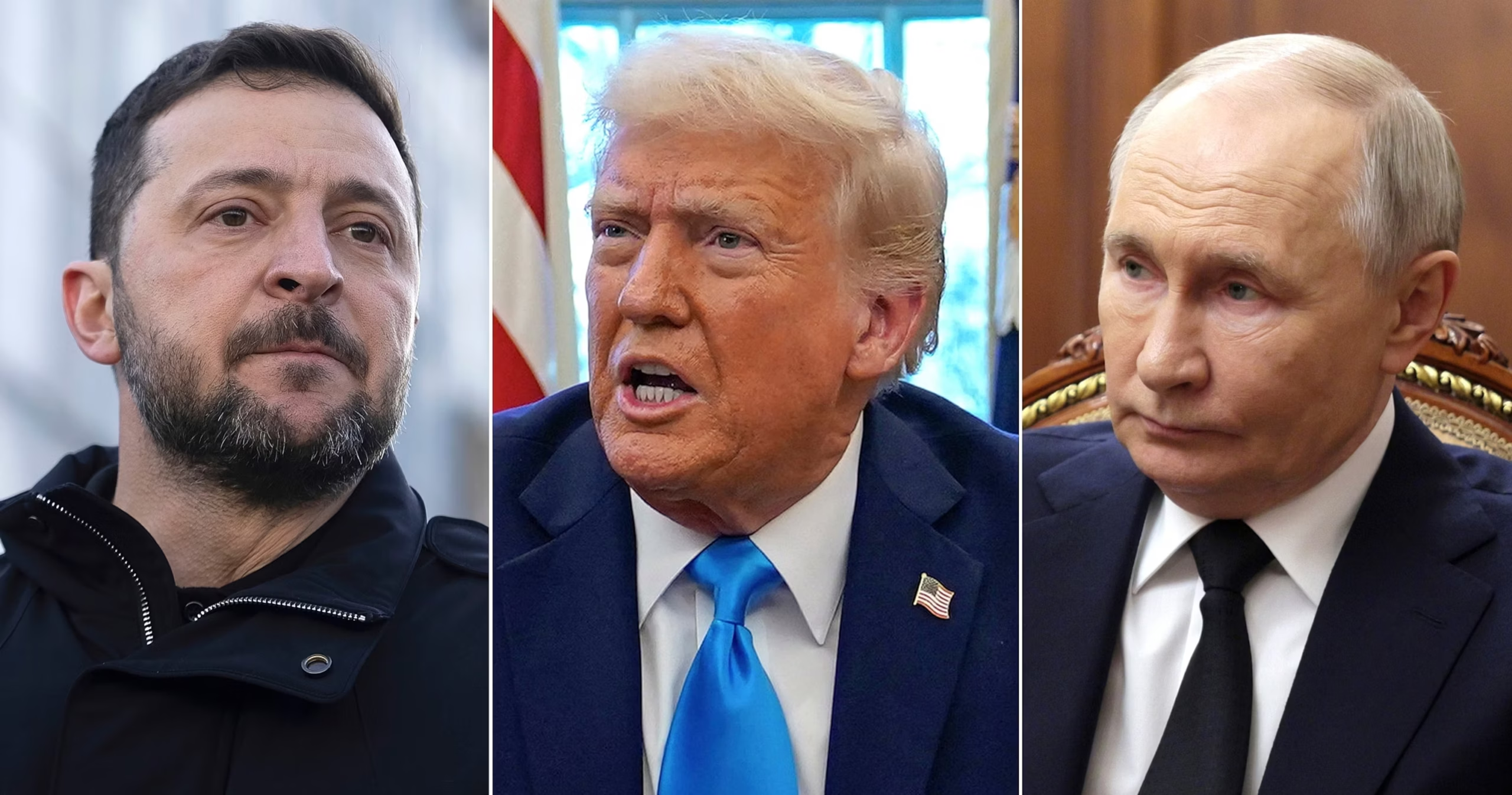
What’s going on now: During a state TV interview Sunday, Putin said there was never an “agreement reached in Anchorage.” He added, “Nobody signed anything, but we discussed certain possibilities for ending the conflict in Ukraine, and the compromises that were discussed were precisely those proposals that were put forward by the American side to us.”
The admission lines up with what Secretary of State Marco Rubio had already said days earlier, when he pushed back on the idea any deal had been struck. “If there had been an agreement, we would have had an end of the war,” Rubio told reporters, pointing to unrealistic demands from both Russia and Ukraine. French President Emmanuel Macron said this month that Trump copped to as much during G7 talks, admitting Russia has no real interest in ending the fighting.
This comes as Russia’s offensive has stalled for the first time in four years, with the Institute for the Study of War estimating its rate of advance has cratered from about 16.65 square kilometers a day last August to just 3.79 in June. Ukraine, meanwhile, has liberated more than 400 square kilometers in the south since January. They’ve also ramped up long-range strikes deep inside Russia, hitting energy infrastructure and, on Tuesday, claiming to have struck one of Moscow’s largest satellite communication centers.
Those strikes are becoming a major issue for Putin at home and are hitting Russia’s fuel supplies. Putin acknowledged that these strikes have forced Russia to tap the country’s gas reserves, ban fuel exports (which are critical to funding their war effort), and direct the military to help speed up refinery repairs.