Already a subscriber? Make sure to log into your account before viewing this content. You can access your account by hitting the “login” button on the top right corner. Still unable to see the content after signing in? Make sure your card on file is up-to-date.
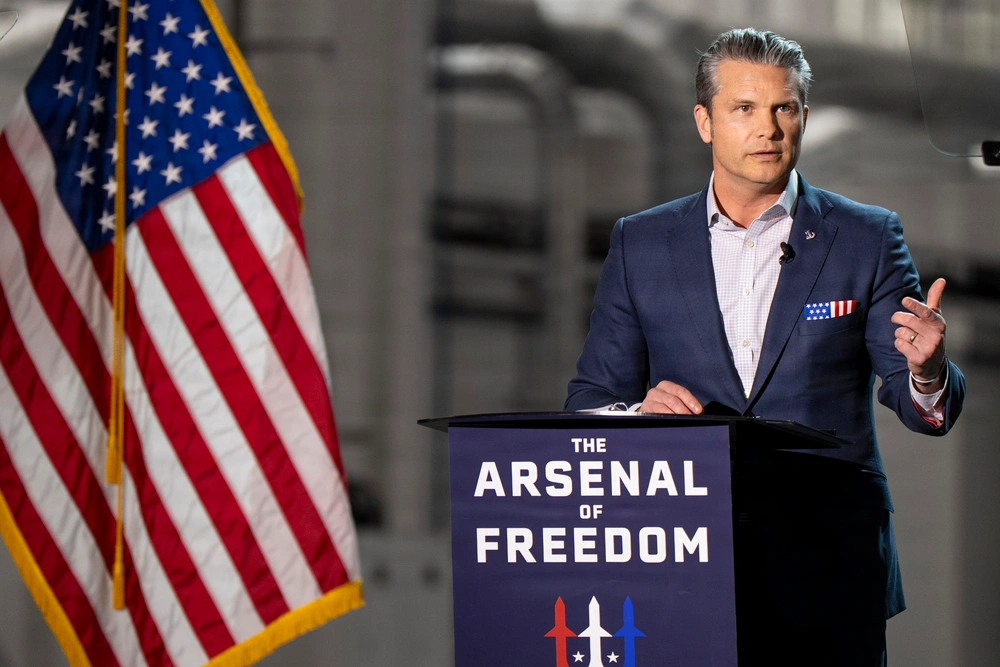
Secretary of War Pete Hegseth has ordered a six-month review of US troop levels across Europe.
Getting into it: At a meeting of NATO defense ministers in Brussels on Thursday, Hegseth said the review of where US troops are stationed across the continent would push NATO “fast and irreversibly toward Europe leading” on its own defense. He branded NATO a “paper tiger” and a one-way street, called for a hard-line “NATO 3.0” modeled on the alliance that won the Cold War, and accused the bloc of years of free riding and drifting toward “gender equity and climate change” instead of building real military strength.

He also tied what the US pays into the alliance to whether allies actually hit their own spending goals, warning that contributions would drop where partners “do not spend with urgency.” Those targets trace back to a pledge made last year, when NATO members agreed to put 5% of GDP toward defense by 2035, a steep climb from the bar they were held to before. A lot of them still haven’t cleared even that lower mark.
NATO Secretary-General Mark Rutte played down the cuts, insisting there would be no immediate impact and that European allies and Canada are “ready, willing and able” to backfill, with defense spending already up sharply.
Hegseth also took a shot at some NATO allies for holding back during the war with Iran, calling it “shameful” that some denied US forces base access and overflight, which he said put American troops at risk.
This all comes as the Pentagon has been open about needing to be ready to fight on two fronts at once, including a possible clash with China. In previous hearings on Capitol Hill, top Defense officials have alluded that freeing up some resources in Europe by making the EU “hold its own weight” would allow the US to move additional assets to the Indo-Pacific (China’s backyard).
Related posts:
 Updates From Middle East
 Secretary Hegseth Says “Everything is on the Table” When It Comes to Ukraine, Pushes Back on Criticism from Some EU & NATO Members
 Lawmaker Accuses Secretary Hegseth of War Crimes
 Secretary Hegseth Says Leakers in Pentagon Will Be Prosecuted, Republican Lawmaker Calls for Him to Be Fired