Already a subscriber? Make sure to log into your account before viewing this content. You can access your account by hitting the “login” button on the top right corner. Still unable to see the content after signing in? Make sure your card on file is up-to-date.
Hezbollah has rejected the latest US-brokered ceasefire agreement between Israel and Lebanon, throwing the truce into doubt.
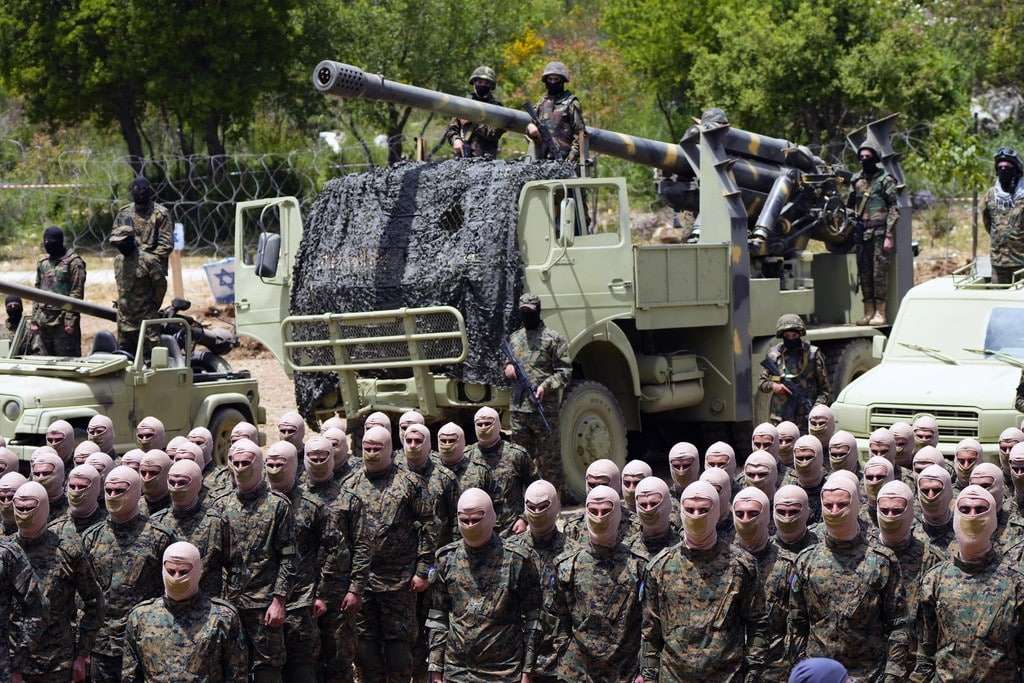
Some shit you should know before you dig in: If you’re unaware, Hezbollah is an Iran-backed Lebanese political party and armed militia rolled into one, with its own weapons, fighters, tunnels, and command structure. Despite being a designated terrorist organization by the West, Hezbollah holds seats in Lebanon’s parliament and also runs a massive military wing that operates totally independently of the Lebanese state (with many agreeing it is more powerful than Lebanon’s official army). The current Lebanese government actually came to power on a platform of disarming Hezbollah, and Israel has made the group’s disarmament a central demand in any long-term peace deal. The pressure isn’t new. Back in 2006, the UN Security Council ordered Hezbollah to disarm, but the group has consistently refused. They’re dragging their feet now too, saying they won’t even discuss laying down their weapons until Israel stops striking Lebanon and withdraws its troops entirely.

What’s going on now: The militant group’s leader, Naim Qassem, branded the negotiations “absurd, humiliating and insulting” in a statement read on television, calling the deal a “roadmap to annihilate part of the Lebanese people” and arguing that pulling fighters out of southern Lebanon while it’s under fire would amount to “surrender, defeat and achieving the enemy’s goals.”
He demanded a complete Israeli withdrawal, warning that “as long as our villages are being bombed and our people killed, northern Israel will not be safe.” Notably, Hezbollah was not part of the talks and stressed it had made no commitment to stop fighting.
This comes after a deal was struck on Wednesday between the Israeli and Lebanese governments following a fourth round of US-mediated talks. The deal called for creating “pilot zones” in southern Lebanon where the Lebanese Armed Forces would take exclusive control “to the exclusion of all non-state actors,” with Israeli forces withdrawing from those areas in return for Hezbollah pulling its fighters north of the Litani River.
The agreement made no explicit promise of a broader Israeli withdrawal and labeled Hezbollah “an enemy” to be dismantled, with the two governments set to meet again on June 22.
Related posts:
 Updates From Middle East
 Israel Ramps Up Strikes in Lebanon as Netanyahu Vows “Crushing Blow” to Hezbollah, IDF Crosses Ceasefire Line to “Fortify” Buffer Zone
 Israel Renews Strikes in Lebanon, Vows to Maintain Permanent Military Presence in Gaza Until All Hostages Are Released
 US Calls on Americans in Lebanon to Leave Immediately, Follows Hezbollah Launching Rockets at Israel