Already a subscriber? Make sure to log into your account before viewing this content. You can access your account by hitting the “login” button on the top right corner. Still unable to see the content after signing in? Make sure your card on file is up-to-date.
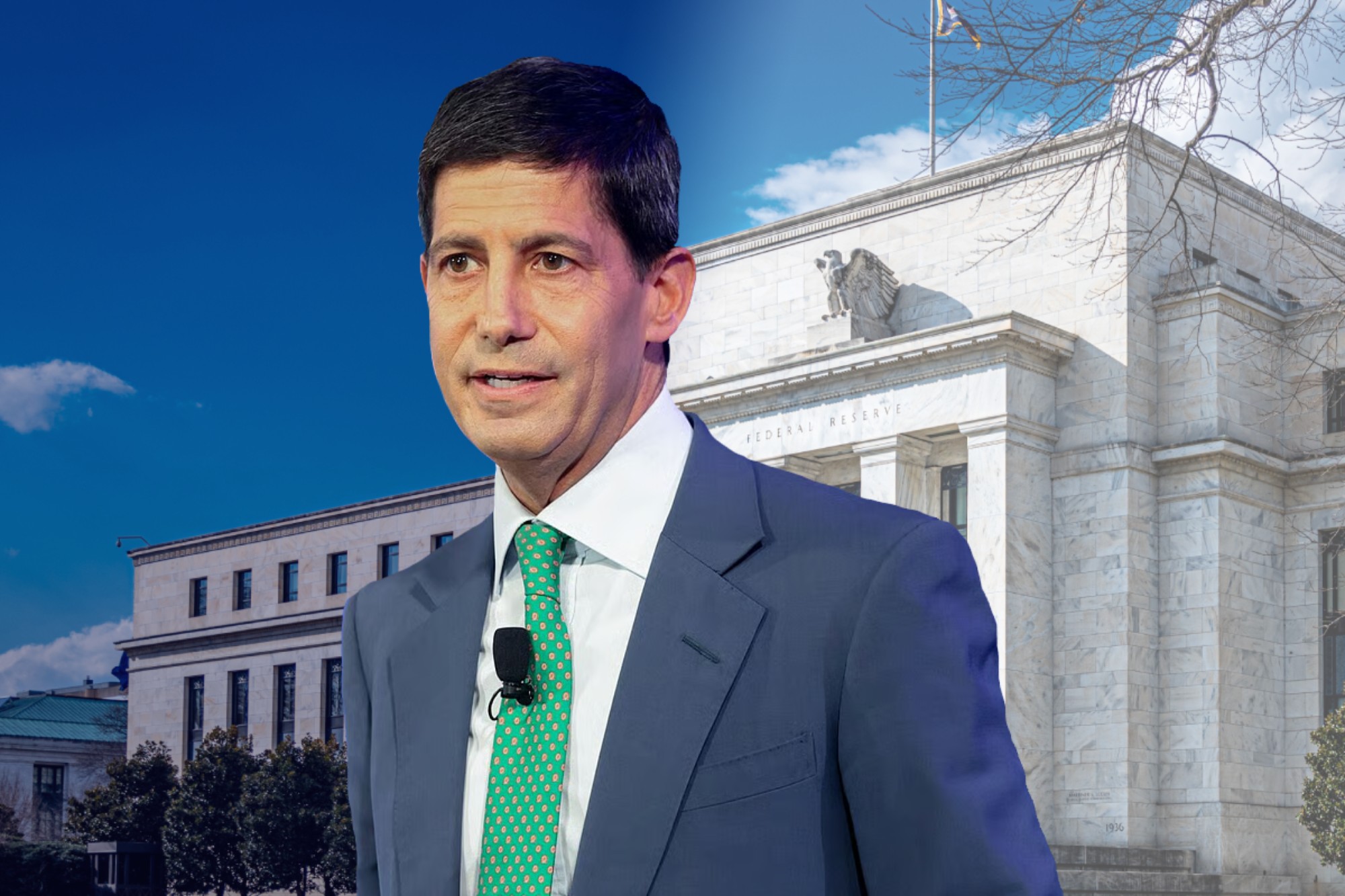
The US Senate has confirmed Kevin Warsh as the next chair of the Federal Reserve, ending a contentious confirmation process and clearing the way for him to replace outgoing chair Jerome Powell.
Some shit you should know before you dig in: If you’re unaware, Trump has spent his entire second term aggressively pressuring the Federal Reserve to slash interest rates, repeatedly threatening to fire Powell, attempting to oust sitting Fed Governor Lisa Cook over mortgage fraud allegations (a case now in front of the Supreme Court with an opinion expected before July), and backing a Justice Department criminal investigation into Powell tied to cost overruns on a renovation of the Fed’s Washington headquarters. The DOJ investigation was eventually dropped last month by DC US Attorney Jeanine Pirro (though she said she could reopen it depending on what the Fed’s inspector general finds), but it had stalled Warsh’s confirmation for weeks after Sen. Thom Tillis (R-NC) vowed to block any Fed nominee from advancing until the legal threats against Powell ended. A federal judge previously ruled the investigation was a pretext for pressuring Powell to either cut rates or resign.

What’s going on now: In a 54-45 vote, the Senate officially confirmed Warsh on Wednesday in what marks the most partisan confirmation vote for a Fed chair nominee in US history, with Sen. John Fetterman (D-PA) as the lone Democrat to cross the aisle and vote yes (Tuesday’s separate vote to confirm Warsh to a 14-year term on the Fed’s Board of Governors had passed 51-45 along similar lines). The 56-year-old former Morgan Stanley banker and Hoover Institution fellow previously served as a Fed governor from 2006 to 2011, where he developed a reputation as an interest-rate hawk who consistently pushed for higher rates to keep inflation in check. Warsh was also passed over for the Fed chair job once before in 2017, when Trump chose Powell instead (a decision Trump quickly came to regret).
Warsh’s positions have notably shifted since Trump returned to office, with the former Fed governor supporting rate hikes in 2024 under President Biden but pivoting to support rate cuts under Trump, prompting Sen. Elizabeth Warren to accuse him during his Senate Banking Committee hearing of being a “sock puppet” for the president. Warsh pushed back at the hearing and pledged to operate independently.
He said, “The president never asked me to commit to interest rate cuts at any particular meeting over the period of my tenure at the Fed. He didn’t ask for it, he didn’t demand it, he didn’t require it, and nor would I have ever done so.”
Warsh has publicly pledged to embark on what he calls “regime change” at the central bank, with plans extending far beyond just interest rate policy. He wants to dramatically cut down the Fed’s $6.7 trillion balance sheet (which he says is basically the central bank doing fiscal policy work that’s supposed to belong to Congress), work hand in hand with the Treasury on balance sheet calls, slash the number of yearly policy meetings from eight to maybe four, hold fewer press conferences, trim the Fed’s DC-based headcount, and stop tipping the market off about where rates are headed next.
This all comes as US inflation just jumped to 3.8% annually in April (a three-year high), driven in large part by surging energy costs tied to the US-Israeli war with Iran.
Related posts:
 Trump Criticizes Fed Chairman, Says His Term Cannot End Soon Enough
 Trump Threatens to Fire Fed Chairman if He Doesn’t Resign in May
 Trump Pissed After Fed Chair Holds Rates, Calls Powell a “Fool”
Trump calls on Federal Reserve to Cut Interest Rates, Fed Chairman Says New Tariffs Will Likely Increase Inflation
Trump Pissed After Fed Chair Holds Rates, Calls Powell a “Fool”
Trump calls on Federal Reserve to Cut Interest Rates, Fed Chairman Says New Tariffs Will Likely Increase Inflation