Already a subscriber? Make sure to log into your account before viewing this content. You can access your account by hitting the “login” button on the top right corner. Still unable to see the content after signing in? Make sure your card on file is up-to-date.
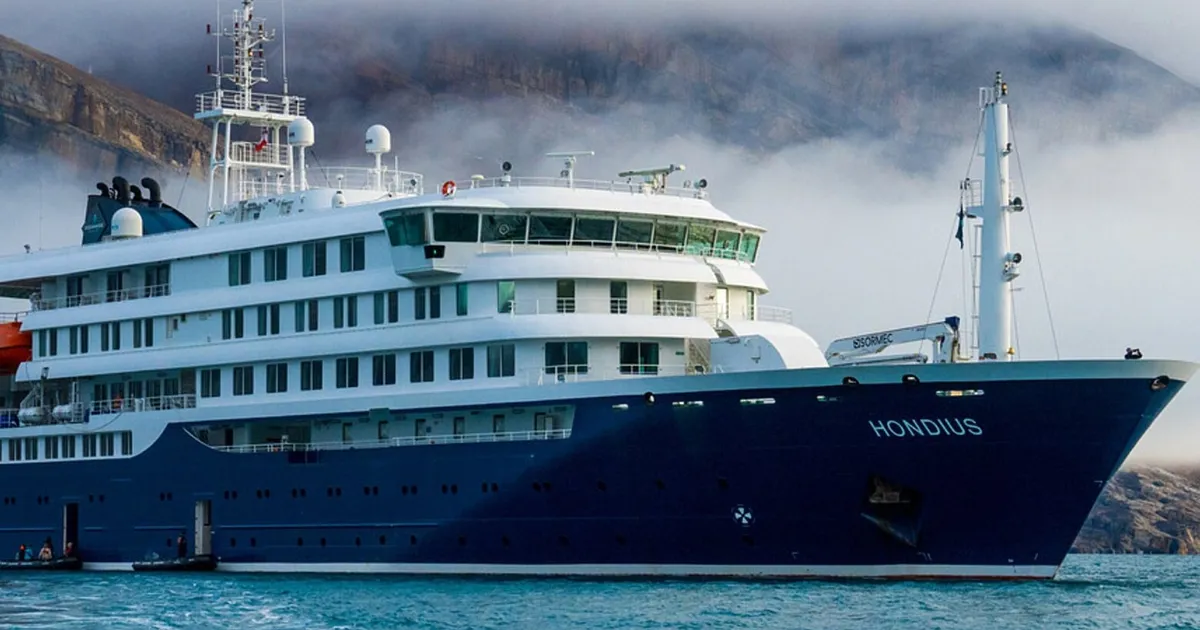
Three passengers have died and four others have fallen ill in a suspected hantavirus outbreak aboard a Dutch-flagged cruise ship currently anchored off the coast of Cape Verde.
Some shit you should know before you dig in: If you’re unaware, hantavirus is a rare family of viruses that spreads mainly through contact with the urine, shit, or saliva of infected rodents, with humans typically picking it up by inhaling airborne particles from dried rodent waste (often when sweeping up an area infested with mice). It is rarely passed between humans, with only one strain (the Andes virus, found in South America) known to occasionally spread person to person. Hantavirus has no specific treatment or vaccine, and the strains found in the Americas come with a case fatality rate of up to 50%, making it one of the deadlier viruses people don’t usually hear about. Symptoms start out flulike (fever, headache, body aches, fatigue) and can progress to severe shortness of breath, lung or heart failure, and death, with symptoms typically appearing one to eight weeks after exposure.

What’s going on now: Officials have confirmed that two passengers aboard the MV Hondius, a Dutch-flagged cruise ship operated by Oceanwide Expeditions, have tested positive for hantavirus, with five additional suspected cases under investigation by the World Health Organization. The outbreak was first reported to the WHO on May 2 and has led to three deaths so far. The ship left Ushuaia, Argentina on April 1 for a roughly six-week “Atlantic Odyssey” cruise with stops in Antarctica, the Falkland Islands, South Georgia, Tristan da Cunha, Saint Helena, and Ascension Island before heading to Cape Verde.
The vessel currently has 147 people aboard (88 passengers and 59 crew, including 17 Americans, 19 from the UK, and 13 from Spain), representing 23 different nationalities. Fares for the trip ran as high as $28,000 per passenger.
According to the WHO timeline:
- The first patient was a 70-year-old Dutch man who developed fever, headache, and mild diarrhea on April 6 while on board, deteriorated into respiratory distress, and died on April 11. His body was offloaded at Saint Helena on April 24 to be repatriated to the Netherlands, with his 69-year-old wife traveling with the body.
- His 69-year-old wife fell ill during the journey, collapsed at an airport in Johannesburg while trying to fly back to the Netherlands, and died at the emergency room on April 26. She was confirmed positive for hantavirus by PCR test on May 4.
- A German woman who had been feeling unwell since April 28 died aboard the ship on May 2 with what appeared to be pneumonia.
- A man from the UK also developed pneumonia symptoms on April 24, was medically evacuated from Ascension to South Africa on April 27, and is currently in critical condition in a Johannesburg ICU, with his hantavirus infection confirmed on May 2.
In addition, three suspected cases (two crew members, one British and one Dutch, plus one more passenger) remain on board with mild symptoms and require urgent medical care.
Cape Verde has refused to let the ship dock at the port as a precautionary measure, leaving the ship anchored offshore. A medical team from the country has visited the ship three times to assess the symptomatic passengers and collect samples, with the WHO and the EU Emergency Response Coordination Centre helping plan medical evacuations.