Already a subscriber? Make sure to log into your account before viewing this content. You can access your account by hitting the “login” button on the top right corner. Still unable to see the content after signing in? Make sure your card on file is up-to-date.
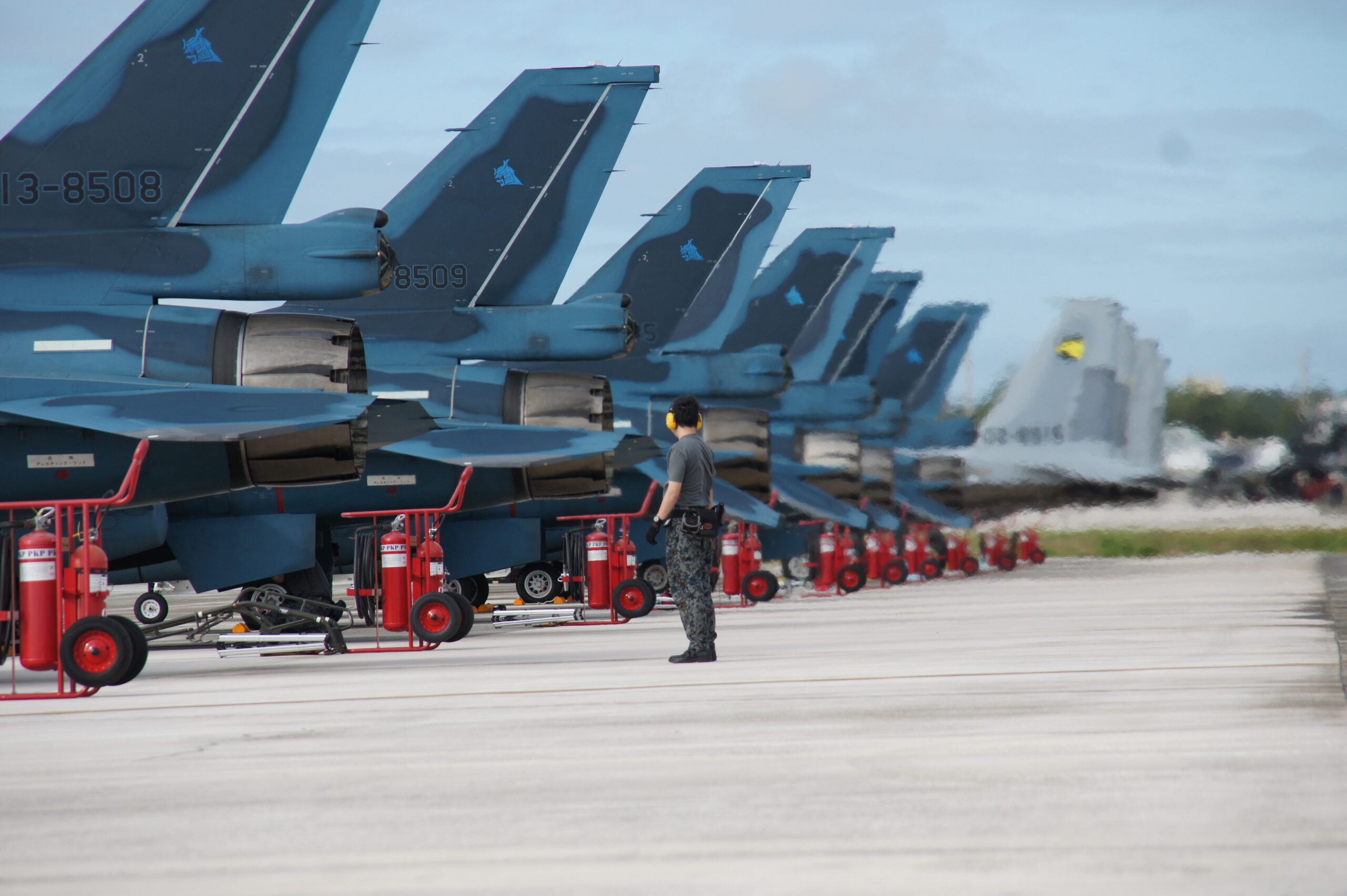
Japan has lifted its longstanding ban on exporting lethal weapons, marking a historic shift away from the pacifist military policy the country has maintained since the end of World War II.
Some shit you should know before you dig in: After its defeat in World War II, Japan adopted a pacifist constitution in 1947 that renounced war as a means of settling international disputes. For decades that meant near-total restrictions on arms exports and limited sales to only non-lethal equipment like bulletproof vests and surveillance gear. That started changing under Prime Minister Shinzo Abe in 2014, when Japan allowed limited weapons development with allies, and again in 2023 when it permitted the export of finished lethal weapons under license agreements for the first time.

What’s going on now: Prime Minister Sanae Takaichi’s cabinet approved new guidelines Tuesday that officially remove restrictions on lethal weapons exports, clearing the way for Japan to sell fighter jets, missiles, and other weapons systems to allied nations. The changes allow Japan to sell lethal weapons to 17 countries that have signed defense equipment agreements with Tokyo, with the list potentially expanding as more countries enter bilateral agreements. Countries already expressing interest include New Zealand, the Philippines, and Indonesia.
Nations currently at war remain off the customer list, though Tokyo has carved out an escape hatch for “special circumstances” tied to its own security interests. Tuesday’s decision comes on the heels of a multi-billion-dollar frigate contract with Australia and a high-level Tokyo sit-down with roughly 30 NATO representatives focused on tighter defense cooperation.
In a statement, Takaichi said, “In an increasingly severe security environment, no single country can now protect its own peace and security alone.” She also stressed the shift does not represent an abandonment of Japan’s pacifist identity, writing that “there is absolutely no change in our commitment to upholding the path and fundamental principles we have followed as a peace-loving nation for over 80 years since the war.”
The move has led to criticism from China, with its Foreign Ministry calling the move “reckless militarisation” and vowing to “resolutely resist Japan’s reckless moves toward a new type of militarism.” The announcement also comes as China has already been retaliating economically against Japan over the past five months following Takaichi’s suggestion that Japan could intervene militarily if Beijing attacked Taiwan.
Related posts:
 Updates From Middle East
 US to Overhaul Military Command in Japan Amid Chinese Threats; Chinese State Media Warns Move Puts Japan at Risk of a “Nuclear Conflict”
 A Deep Dive: Influencers and “Independent” Journalists on Both Sides Being Paid to Advance Political Talking Points
 Trump’s Ambassador Nominee Urges Japan to Increase Funding for US Military Presence