Already a subscriber? Make sure to log into your account before viewing this content. You can access your account by hitting the “login” button on the top right corner. Still unable to see the content after signing in? Make sure your card on file is up-to-date.
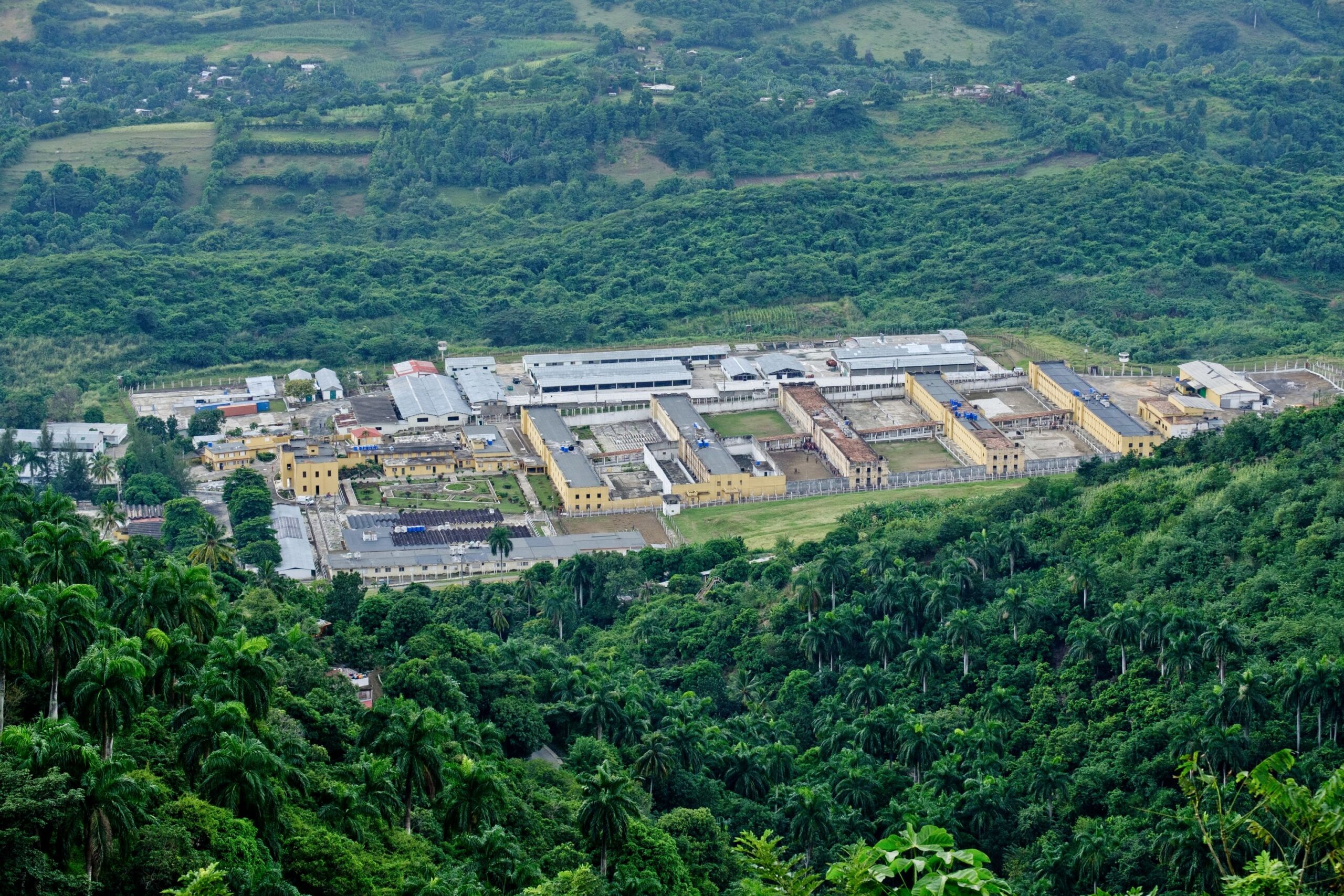
Cuba has begun the process of releasing over 2,000 prisoners as part of a government-declared “humanitarian and sovereign gesture.”
Getting into it: The releases began on Thursday as part of a broad pardon affecting 2,010 detainees. According to the government, those freed include young people, women, and foreign nationals. Officials said those selected had served a significant portion of their sentences, demonstrated good behavior in prison, and were evaluated based on their health and the nature of their offenses, with violent criminals excluded from the measure.

Cuban authorities framed the decision as part of the country’s longstanding practice of granting pardons around major religious observances, specifically Holy Week leading up to Easter. In official statements, the government described the move as both humanitarian and sovereign, stressing that it reflects internal legal traditions rather than external influence from the US. It should be noted that large-scale releases tied to this period have occurred before, though not every year, and are often presented as acts of clemency within the justice system.
This is the second time Cuban officials have moved forward with a large-scale release this year. Just weeks earlier, Cuba freed 51 prisoners after talks with the Vatican, which has at times served as a diplomatic intermediary in discussions involving the country.
The timing of the latest release comes amid intensified pressure from the United States under President Trump, whose administration has tightened economic restrictions on the island. A key element of that pressure has been a de facto oil blockade, which has significantly limited Cuba’s access to fuel and contributed to widespread shortages, transportation disruptions, and repeated nationwide blackouts.