Already a subscriber? Make sure to log into your account before viewing this content. You can access your account by hitting the “login” button on the top right corner. Still unable to see the content after signing in? Make sure your card on file is up-to-date.
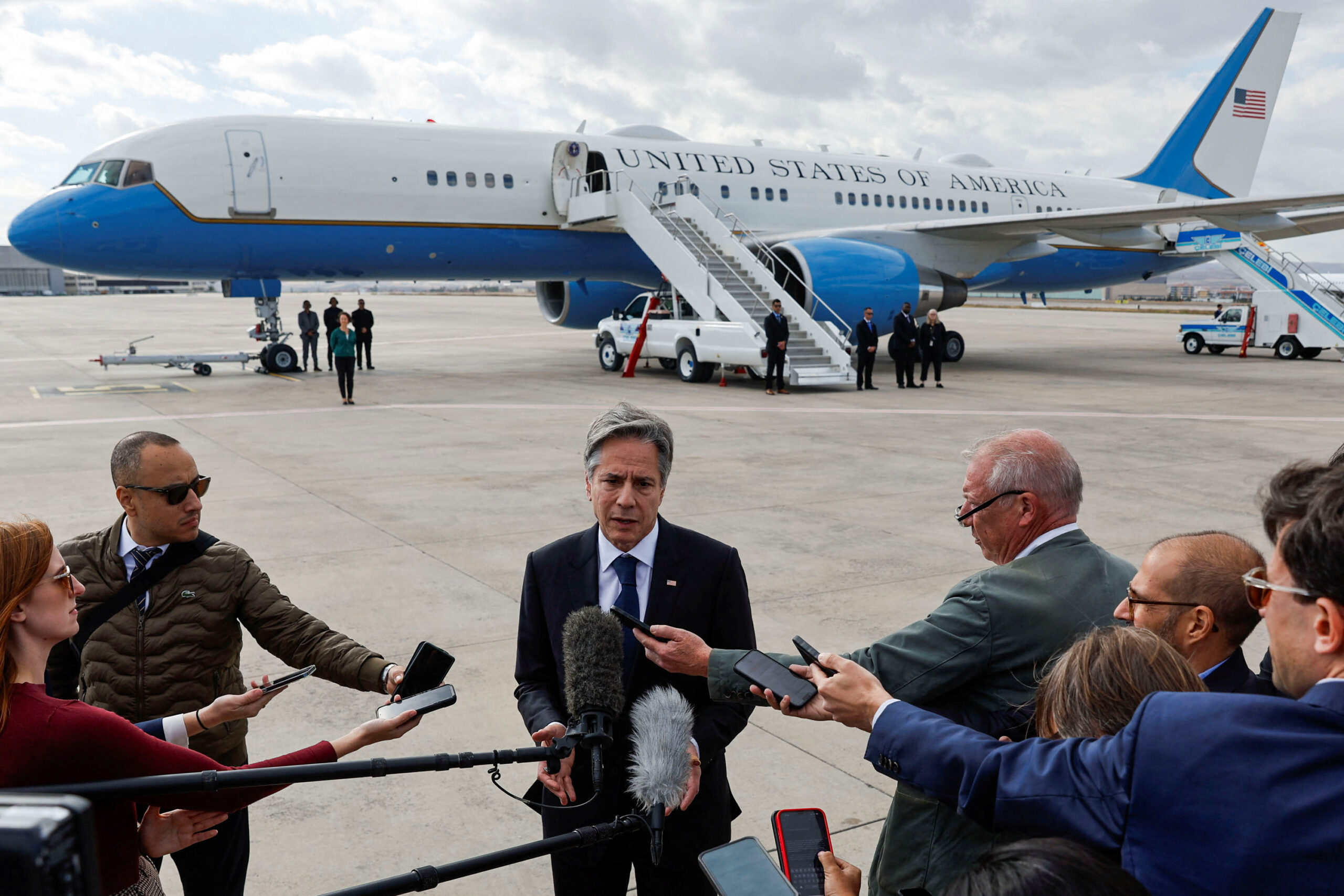
Former Secretary of State Antony Blinken has pushed back on claims made by President Trump today that he supported military strikes on Iran.
Some shit you should know before you dig in: While speaking to reporters during a cabinet meeting, President Trump claimed that Antony Blinken had expressed regret about not taking military action against Iran, saying, “I’ve heard that today Blinken made a statement that he should have done it,” and added, “Thanks a lot, Blinken, I appreciate it.” Trump continued, “Blinken is Biden’s guy, I guess. Who the hell knows who he is. He’s his guy,” and reiterated the allegation by stating, “But he came out with the statement that they should have done it, they made a mistake.”
What’s going on now: In a notable development, former Secretary of State Antony Blinken rejected President Trump’s claims, writing on X that Trump “cited me as supporting his attack on Iran and expressing regret we didn’t do it during the Biden Administration. Except I didn’t.” Blinken pointed to his past remarks to stress that while military options were considered, they were ultimately rejected in favor of diplomacy, explaining that strikes could have only delayed Iran’s program while risking broader escalation. He closed his response unequivocally, stating, “So no, I would not have done it. For the record.”
Blinken also used his response to stress that the Biden administration’s plan provided a structured path to constrain Iran’s nuclear ambitions, arguing that abandoning it reduced oversight and increased long-term risks. He suggested that diplomacy would have preserved “the most intrusive inspections ever” and left the military option available with better intelligence.
This all comes as reporting has indicated that Netanyahu spent months lobbying Trump to move forward with military action, coordinating closely with US officials and pressing the case that diplomacy would not succeed. According to those accounts, Israeli leadership worked to ensure negotiations did not derail plans for strikes, with discussions between the two sides covering timing, strategy, and military readiness.
Despite this, the White House has pushed back on suggestions that Trump was heavily influenced in his decision-making, maintaining that the president ultimately made the call independently.
Related posts:
 Updates From Middle East
 A Deep Dive: Influencers and “Independent” Journalists on Both Sides Being Paid to Advance Political Talking Points
 White House Maintains Iran’s Nuclear Program Was “Obliterated” in Previous US Strikes, Comes After Top Official Says Iran’s Close to Obtaining Nuclear Bomb Material
 Trump Says Iran is Possibly Open to Direct Talks with the US over Nuclear Program, Russia Criticizes US Over Threats to Bomb Iran