Already a subscriber? Make sure to log into your account before viewing this content. You can access your account by hitting the “login” button on the top right corner. Still unable to see the content after signing in? Make sure your card on file is up-to-date.
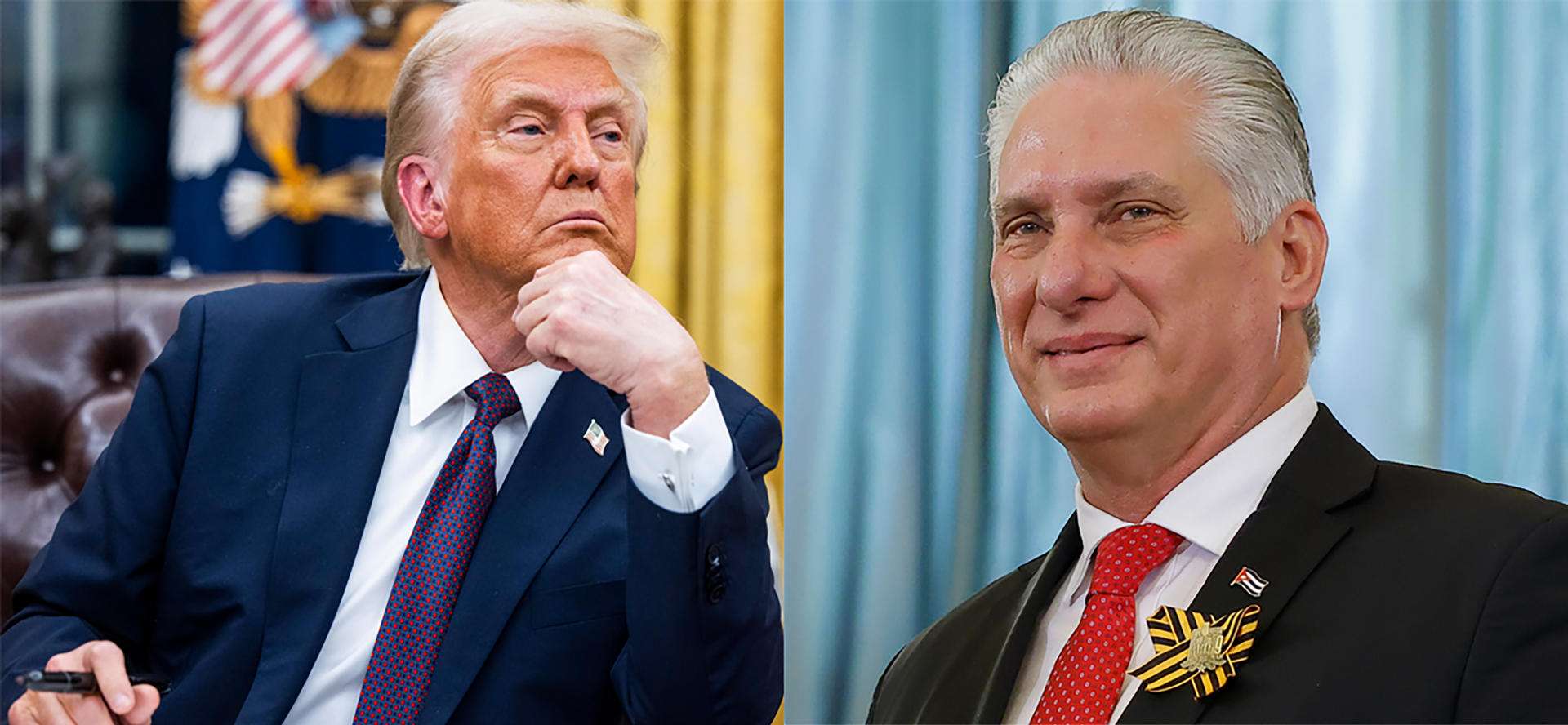
A top Cuban official has ruled out any condition under which the country would consider removing President Miguel Díaz-Canel as part of ongoing negotiations with the US.
Some shit you should know before you dig in: If you haven’t been following along, Cuba is under a significant amount of pressure right now as the Trump administration intensifies its embargo against the country. Shortly after the fall of Nicolás Maduro, the US moved to cut off oil shipments from Venezuela to Cuba , fuel the island had long relied on. At the same time, pressure also led Mexico to halt shipments, effectively choking off supplies that accounted for more than 80% of Cuba’s energy. The sudden loss of fuel has triggered widespread blackouts, transportation and economic disruptions, pushing the island toward what both US officials and other world leaders describe as a growing humanitarian crisis. Trump has openly said Cuba needs to “make a deal” with the US, fueling speculation that the strategy of cutting off energy while increasing diplomatic pressure is aimed at forcing regime change in the country. Others have speculated that Trump is seeking a clampdown on Chinese influence on the island, similar to what the administration did to Panama.

What’s going on now: In a notable development, Cuba’s leadership is drawing a hard line over what is not up for negotiation and has outright rejected any attempt to force President Miguel Díaz-Canel out of office. Deputy Foreign Minister Carlos Fernandez de Cossio said, “I can categorically confirm that … the political system of Cuba is not up for negotiation, and of course neither the president nor the position of any official in Cuba is subject to negotiation with the United States.” That stance comes amid growing reports that the Trump administration wants Díaz-Canel removed while potentially leaving much of Cuba’s existing power structure intact.
Cuban officials have made clear that any such demand is a non-starter. At the same time, they have signaled limited openness to dialogue, but only on specific issues like trade or compensation, with de Cossio noting these are “very complex issues that can be discussed,” but stressing they “require dialogue” and must be handled as “legitimate matters,” not political concessions.
This comes as the United States ramps up economic pressure on the island, particularly through measures that have cut off key oil supplies. The resulting fuel shortages have pushed Cuba into a deepening crisis, triggering widespread blackouts impacting millions and worsening already fragile economic conditions, adding to public strain and unrest.
Díaz-Canel himself has taken a defiant tone, accusing the Trump administration of escalating aggression and attempting to force political change through economic hardship. He warned that the US “publicly threatens Cuba, almost daily, with the forceful overthrow of its constitutional order,” and said any such effort would be met with “impregnable resistance.”
Related posts:
 Top Cuban Official Denies Substantive Talks With the US After Trump Says Both Countries Are Engaged in Dialogue Amid Growing Tensions
 Trump Says US & Cuba Advancing High-Level Talks
 Trump Announces US May Reach Deal with Cuba “Soon”
 Top Cuban Official Confirms Ongoing Talks with US Aimed at Resolving Tensions