Already a subscriber? Make sure to log into your account before viewing this content. You can access your account by hitting the “login” button on the top right corner. Still unable to see the content after signing in? Make sure your card on file is up-to-date.
The State Department has approved a multi-billion-dollar arms deal for three Middle Eastern countries amid the ongoing conflict with Iran.
Getting into it: The package totals more than $16.5 billion and is heavily focused on air and missile defense capabilities. The United Arab Emirates will receive roughly $8.4 billion in systems, including a mix of counter-drone defenses, long-range radar integrated with its THAAD system, advanced air-to-air weaponry, and additional upgrades and munitions for its F-16 aircraft. Kuwait is set to receive the largest single component of the deal at about $8 billion, consisting of Lower-Tier Air and Missile Defense Sensor (LTAMDS) radars intended to identify incoming threats and pass tracking data intobroader missile defense networks. Jordan’s smaller $70.5 million package focuses on sustaining its existing fleet, covering aircraft maintenance, operational support, and weapons servicing for platforms such as F-16s, C-130s, and F-5s.

Notably, Secretary of State Marco Rubio invoked an emergency provision to approve the transfers, allowing the administration to bypass the standard congressional review process. The justification centers on the urgency of the current conflict environment, with officials arguing that immediate delivery of these systems is necessary to counter rapidly evolving missile and drone threats.
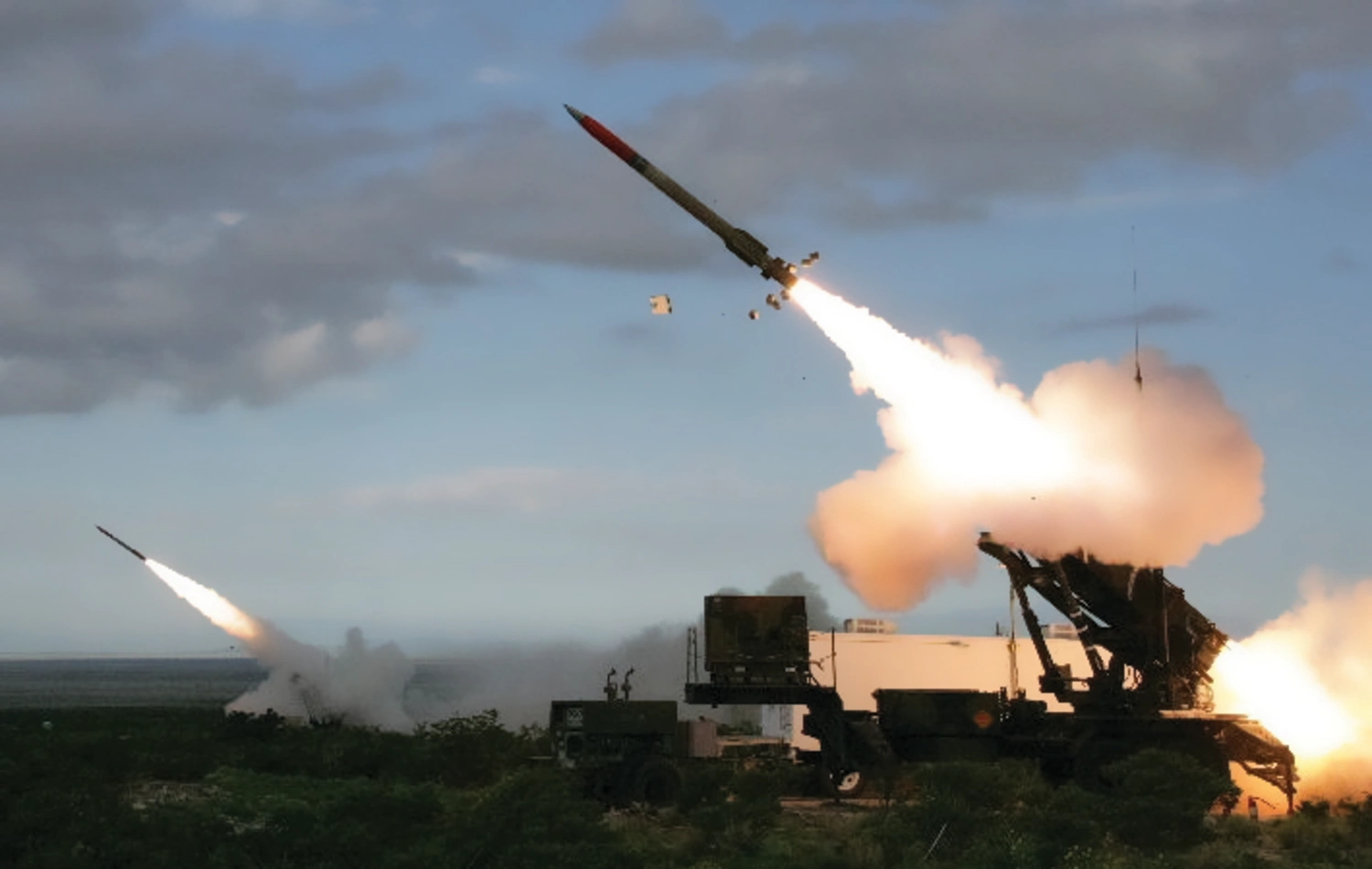
The deal comes as US-aligned countries across the Middle East have been expending large numbers of air defense interceptors in response to sustained Iranian missile and drone attacks, raising concerns about dwindling stockpiles. Officials and analysts have warned that the pace of usage is outstripping replenishment, driving urgent demand for new radar systems, interceptors, and support equipment.
There are also growing indications that additional arms packages could follow for other partners, including Israel and Saudi Arabia, who are facing similar shortages.