Already a subscriber? Make sure to log into your account before viewing this content. You can access your account by hitting the “login” button on the top right corner. Still unable to see the content after signing in? Make sure your card on file is up-to-date.
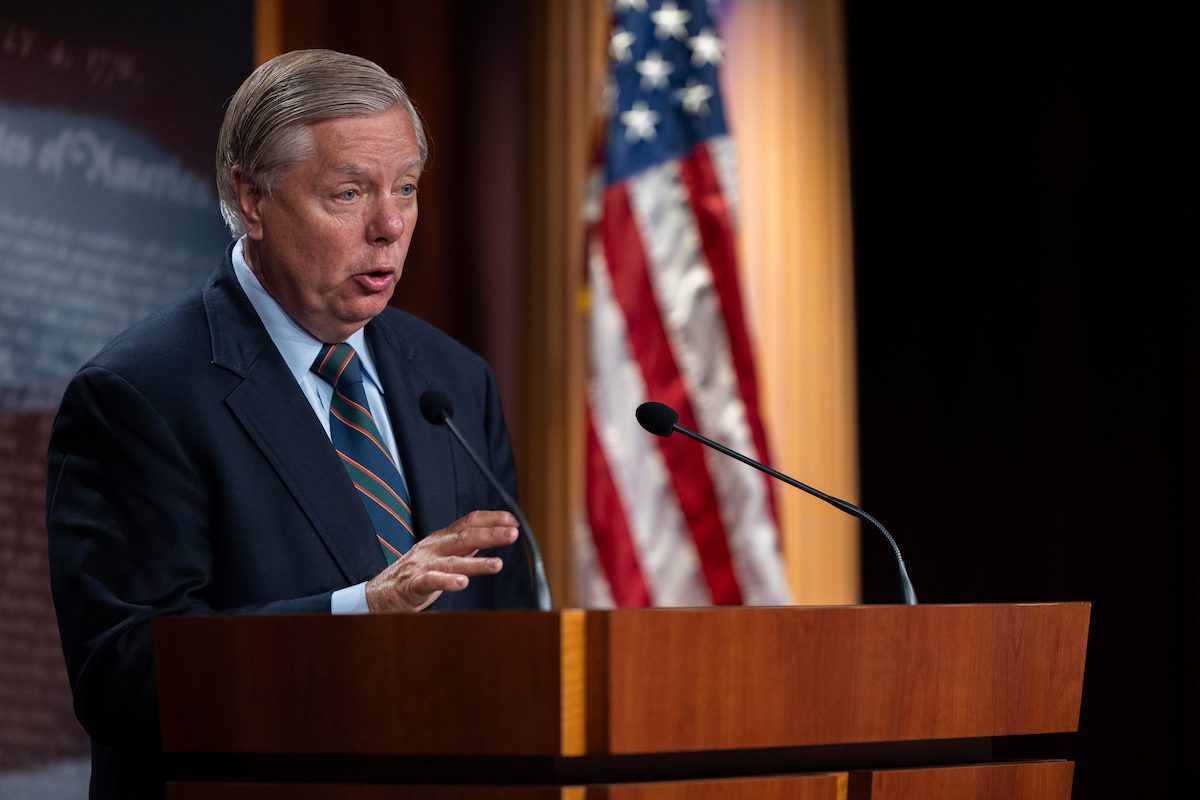
A top US senator with close ties to President Trump has condemned European allies for refusing to join US-led military efforts to reopen the Strait of Hormuz.
Getting into it: In a post made on X, Senator Lindsey Graham criticized what he described as Europe’s lack of support, warning that the consequences would be significant. “The repercussions of providing little assistance to keep the Strait of Hormuz functioning are going to be wide and deep for Europe and America.” He also made clear that the situation is shaking his long-held support for transatlantic alliances, adding, “I consider myself very forward-leaning on supporting alliances… however at a time of real testing like this, it makes me second guess the value of these alliances.”

Graham’s remarks echoed President Trump’s own frustration with NATO allies, reinforcing the idea that their reluctance could prompt a broader reassessment in the US. Graham added that, “The arrogance of our allies to suggest that Iran with a nuclear weapon is of little concern and that military action to stop the ayatollah from acquiring a nuclear bomb is our problem not theirs is beyond offensive. The European approach to containing the ayatollah’s nuclear ambitions has proven to be a miserable failure.”
This all comes as European leaders make clear they are unwilling to commit military forces to a US-led effort in the Strait of Hormuz, stressing that the conflict is not theirs to fight. EU foreign policy chief Kaja Kallas said “nobody is ready to put their people in harm’s way in the Strait of Hormuz,” and called for diplomacy to prevent further economic fallout, while also noting that European countries were not consulted and “don’t really understand” the objectives of the war.
Germany has taken one of the firmest positions, with Defense Minister Boris Pistorius stating, “This is not our war, we have not started it,” and questioning what a small European naval presence could realistically accomplish. German officials have also called for clearer explanations from the US and Israel about their military goals before considering any involvement, reflecting broader skepticism across the bloc.
The United Kingdom and France have also resisted direct participation in combat operations. British Prime Minister Keir Starmer said the UK “will not be drawn into the wider war,” stressing that any deployment must be legally justified and in the national interest, even as he acknowledged the need to eventually restore shipping through the strait. French President Emmanuel Macron echoed that stance, saying France “will never take part in operations to open or liberate the Strait of Hormuz in the current context,” though he left open the possibility of a future multinational effort once the most intense phase of the conflict subsides.
Related posts:
 Updates From Middle East
 Top US Official Demands Key Allies Deploy Naval Assets to Help Escort Ships in Strait of Hormuz; Allies Drag Their Feet
 Iran Says Strait of Hormuz Is Closed, Multiple Ships Halt Transit
 Top Iranian Official Blames US & Israel for Disrupting Hormuz Shipping, Allies Refuse to Help Trump Reopen Strait During Iran Conflict