Already a subscriber? Make sure to log into your account before viewing this content. You can access your account by hitting the “login” button on the top right corner. Still unable to see the content after signing in? Make sure your card on file is up-to-date.
Mexico has announced that it will deploy 100,000 security personnel to protect fans, players, and infrastructure during the 2026 FIFA World Cup.
Some shit you should know before you dig in: Last month, all eyes were on Mexico after the Mexican military conducted a deadly operation that killed cartel leader Nemesio “El Mencho” Oseguera Cervantes, the head of the Jalisco New Generation Cartel. His death triggered widespread retaliation from cartel members, who set up roadblocks, burned vehicles and businesses, and clashed with security forces across multiple states, with some of the most intense violence occurring in Jalisco and the tourist hub of Puerto Vallarta. The unrest left dozens dead and raised new concerns about safety in popular travel destinations. The violence significantly impacted Mexico’s tourism, with ALG Vacations (a major hotel operator across the country) reporting bookings had dropped by roughly 40% after the violence, while several airlines canceled flights and many travelers shifted their spring break plans to other destinations. This also led to questions about whether Mexico could ensure safety for the upcoming World Cup, which will be held in Mexico City, Guadalajara, and Monterrey.

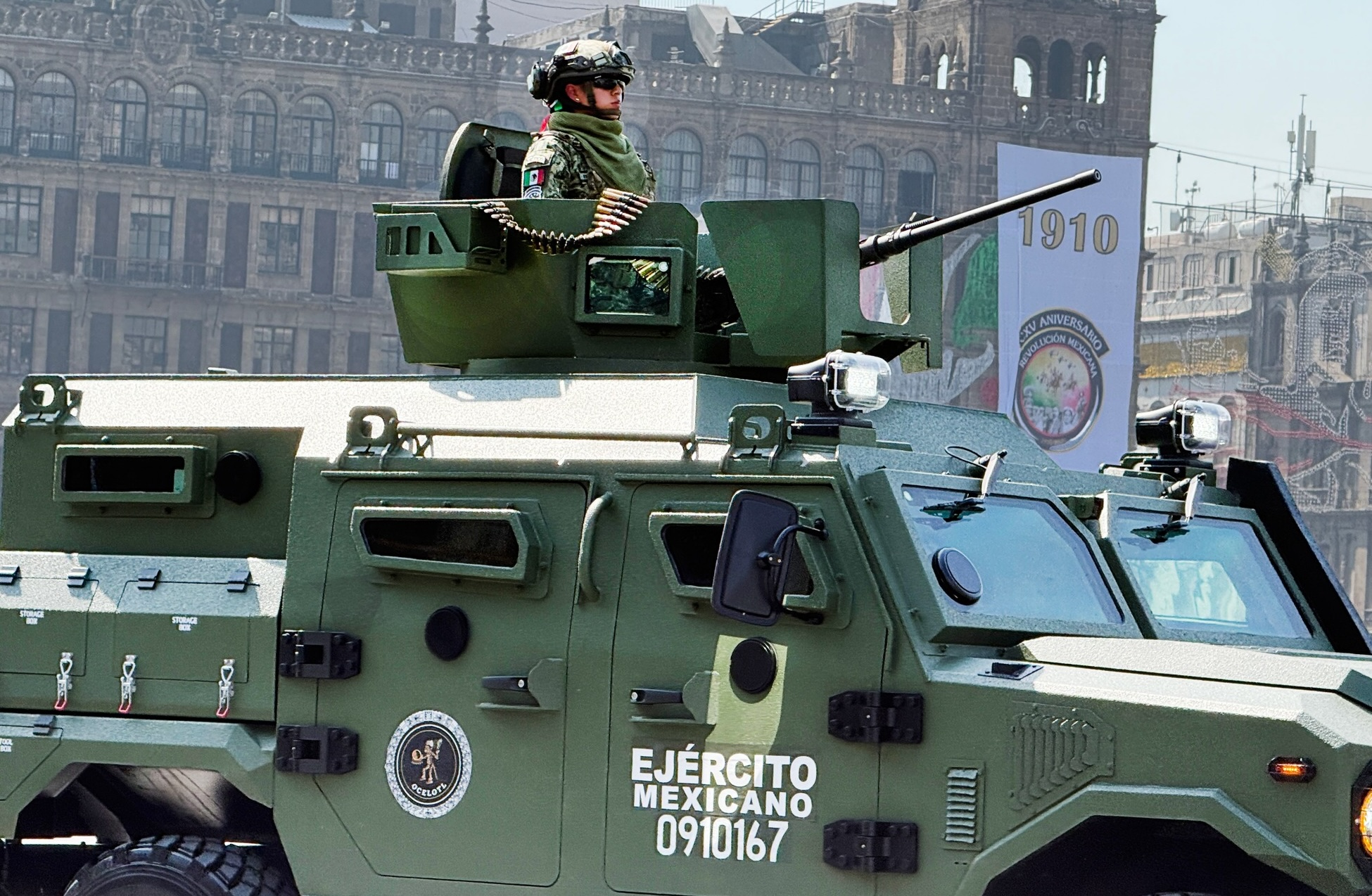
What’s going on now: Mexican President Claudia Sheinbaum has announced a major security initiative known as “Plan Kukulkan,” which will deploy nearly 100,000 personnel across the three World Cup host cities. The operation will include roughly 20,000 members of the Mexican military, including the Army, Air Force, and National Guard, alongside about 55,000 police officers and thousands of private security personnel. Authorities say the deployment will be supported by more than 2,000 vehicles, 24 aircraft, anti-drone systems, surveillance technology, and explosives-detection dogs, with security perimeters placed around stadiums, airports, hotels, and fan zones expected to host millions of visitors.
The government says the plan is designed not only to secure stadiums but also to protect the surrounding tourist infrastructure and transportation routes. Security forces will be stationed at major airports, roadways, lodging centers, and entertainment districts, while specialized units will protect teams, officials, and international delegations. Officials also say Mexico is coordinating security planning with the United States, Canada, and FIFA, including training exercises, early warning systems, and operational drills ahead of the tournament.
Speaking during a visit to a military base in Zapopan, near Guadalajara, Sheinbaum sought to reassure both residents and international visitors that Mexico will be ready. “We are here … to tell everyone in Jalisco, all the people of Jalisco, that we are together, that we are working for peace, security and the well-being of the inhabitants of this beautiful state,” she said alongside members of her security cabinet. She also stressed the government’s readiness for the tournament, saying officials are determined to demonstrate that Mexico can host the event safely.
This all comes as President Claudia Sheinbaum’s political standing has strengthened following the military operation that killed El Mencho. According to a recent Enkoll poll conducted for EL PAÍS and W Radio, her approval rating rose to about 75% in early March, rebounding after a slight dip late last year during a surge in violence. The survey also found 81% of respondents viewed the operation against the cartel leader positively, while about 70% said their opinion of Sheinbaum improved after the raid.