Already a subscriber? Make sure to log into your account before viewing this content. You can access your account by hitting the “login” button on the top right corner. Still unable to see the content after signing in? Make sure your card on file is up-to-date.
Top US and Israeli officials have held closed-door meetings at the Pentagon as tensions between the US and Iran continue to remain elevated.
Some shit you should know before you dig in: If you’re lost about why tensions between the United States and Iran have been cooking, here’s a recap. Tensions began to rise after the Iranian regime’s brutal crackdown on protests in late December and January, which left thousands of protesters dead and sparked international outrage. While this domestic unrest ignited initial concerns, President Trump has since shifted the focus to Iran’s nuclear and ballistic missile programs, warning that Iran must strike a deal or face potential US military action. Trump’s messaging has intensified in recent weeks, suggesting that unless Iranian officials agree to freeze uranium enrichment and cap its ballistic missile program, the US will act. In the meantime, the United States is ramping up its military presence near Iran by deploying the USS Abraham Lincoln Carrier Strike Group and surging air defense systems to the region.

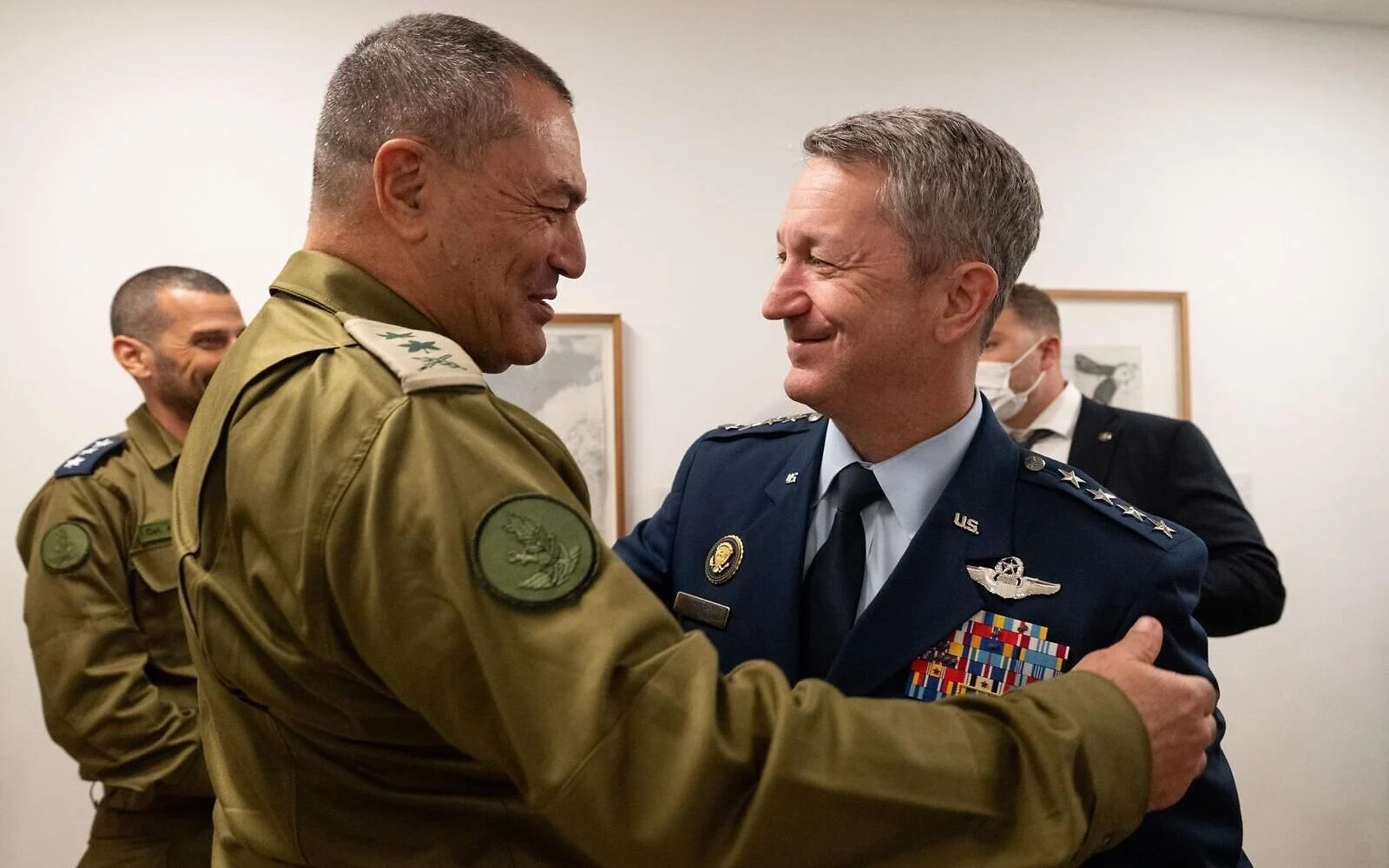
What’s going on now: In a notable development, IDF Chief of Staff Lt. Gen. Eyal Zamir made a visit to the US over the weekend for high-level closed-door meetings at the Pentagon. Zamir, Israel’s top military officer, met with the United States’ top general, Chairman of the Joint Chiefs Gen. Dan Caine, and other senior American defense officials. Though the US has not released details of the meetings, Israeli media reported that Zamir presented fresh intelligence on Iran’s expanding military capabilities.
One of the central concerns raised during Zamir’s visit was Iran’s ongoing effort to rebuild its conventional ballistic missile arsenal, which had been roughly halved during the 12-day war but is now climbing back toward the 2,500-missile level reached in June 2025.
He also warned of the risks tied to Iran’s stockpile of enriched uranium, particularly the possibility that Iran could weaponize its existing material rapidly if it were to construct a covert enrichment site using far fewer centrifuges than before. This scenario, Israeli officials fear, could outpace both diplomatic efforts and military readiness.
This all comes as Israeli media reports that Zamir believes the US military could strike Iran within the next two months. This has led to urgent internal meetings in Israel, with Prime Minister Benjamin Netanyahu convening top security figures, including Defense Minister Israel Katz and Mossad Director David Barnea, for briefings following Zamir’s return.
Related posts:
 Updates From Middle East
 Iran Rules out Talks with US Until Trump Drops “Maximum Pressure” Campaign
 White House Continues to Push Back on Intel Leak Indicating US Strikes May Have Not Taken Out All of Iran’s Nuclear Program, Points to Israeli Intel
 Top Iranian Official Claims Country’s Drone & Missile Capabilities Are in Good Shape Following Israeli Strikes