Already a subscriber? Make sure to log into your account before viewing this content. You can access your account by hitting the “login” button on the top right corner. Still unable to see the content after signing in? Make sure your card on file is up-to-date.
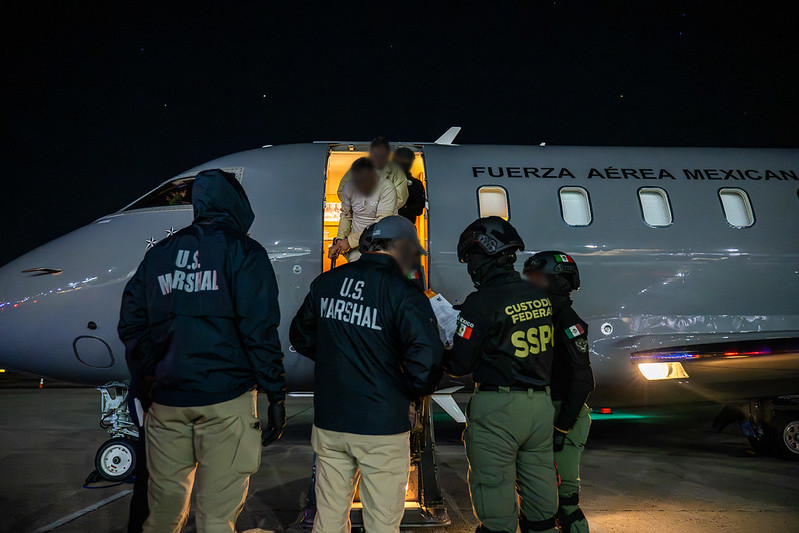
Mexico has officially transferred 37 high-level fugitives with ties to major drug cartels and terrorist-designated organizations to the United States.
Getting into it: The transfers took place last week aboard seven Mexican military aircraft that flew the fugitives from Mexican prisons to multiple US cities, including Washington DC, Houston, San Antonio, San Diego, New York, and Pennsylvania. This marks the largest such transfer to date and was executed under Mexico’s National Security Law whichbypasses the standard extradition process, with the US agreeing not to pursue the death penalty in any of the cases.

The individuals handed over include some of the most notorious operatives from cartels such as the Sinaloa Cartel, CJNG, Cartel del Noreste, and the Beltrán-Leyva Organization, among others. Those transferred include Pedro Inzunza Noriega, a top Sinaloa cartel figure charged with narcoterrorism and operating one of the world’s largest fentanyl trafficking networks, as well as Maria Del Rosario Navarro-Sanchez, the first Mexican national charged with providing material support to a foreign terrorist organization, accused of supplying CJNG with weapons and logistical support.
Attorney General Pam Bondi said the transfer was a critical step in the Trump administration’s mission to dismantle the cartels and hold their leaders accountable on US soil.

President Claudia Sheinbaum defended the decision amid increasing scrutiny from opposition figures and legal analysts in Mexico who argue the transfers circumvent normal legal procedures. At her morning briefing, Sheinbaum called the move a “sovereign decision” made in accordance with national security interests. While the US formally requested the fugitives, she insisted that Mexico’s National Security Council independently analyzed the matter and acted in what it deemed to be best for the country.
This most recent transfer is the third such operation in under a year. In total, Mexico has now handed over 92 high-profile cartel figures to US custody since Sheinbaum took office.
This comes as the Trump administration has escalated pressure on Mexico to take a more aggressive stance against drug trafficking groups, particularly those responsible for fentanyl production. President Trump has continued to press Sheinbaum to allow US military involvement in Mexico to directly target drug labs and trafficking routes, especially those associated with fentanyl. Despite this, Sheinbaum has rejected the idea of allowing US troops on Mexican soil, citing sovereignty concerns and the long, troubled history of foreign intervention in Mexico.
Related posts:
 US Announces New Sanctions Targeting Mexican Drug Cartel Members
 Mexican Cartel Leader With Close Ties to CJNG Boss Sentenced to 30 Years in US Prison
 Mexican President Pushes Back on Reports That Trump Authorized Pentagon to Use Military Force Against Drug Cartels Abroad, Reiterates Mexico is a Sovereign Country
 Updates From Middle East