Already a subscriber? Make sure to log into your account before viewing this content. You can access your account by hitting the “login” button on the top right corner. Still unable to see the content after signing in? Make sure your card on file is up-to-date.
The United States has approved a multibillion-dollar sale of defense equipment and aircraft to Singapore.
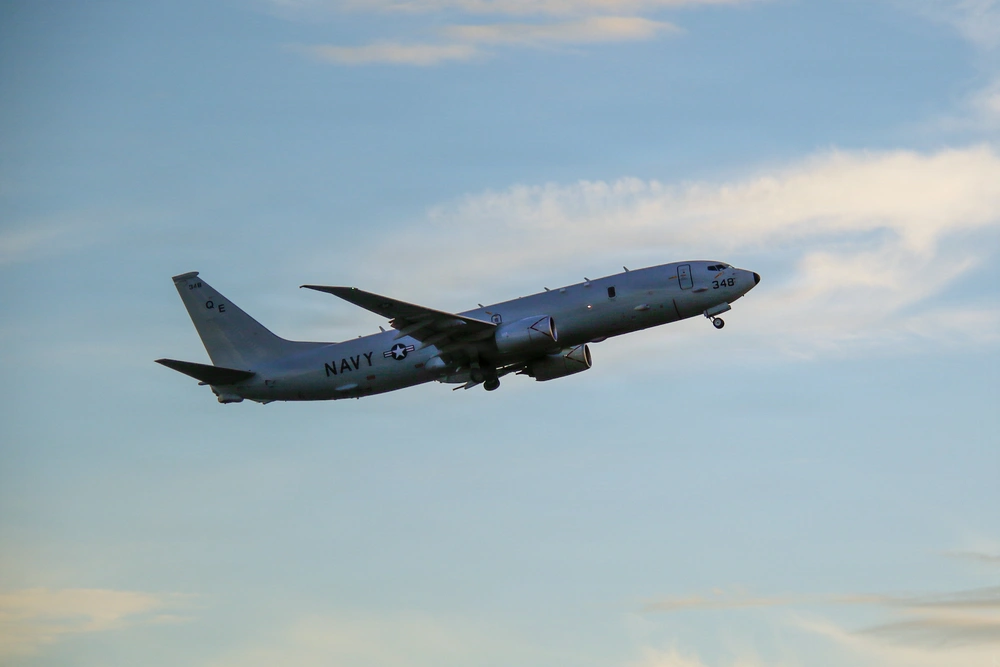
Getting into it: First announced by the Defense Security Cooperation Agency (DSCA), the proposed $2.316 billion deal includes the sale of four Boeing P-8A Poseidon maritime patrol aircraft, MK 54 lightweight torpedoes, and a range of advanced sensors and systems. According to the DSCA’s notification to Congress, Singapore has requested aircraft components such as Guardian laser transmitter assemblies, system processors with anti-spoofing modules, and torpedo support equipment. The principal contractor for the aircraft is Boeing, while the torpedoes will be sourced from existing US Navy stock.

The P-8A Poseidon will be a notable upgrade from Singapore’s current fleet of aging Fokker-50 Maritime Patrol Aircraft, which have been in service since the early 1990s. Built on the Boeing 737 airframe, the P-8A is designed for long-range anti-submarine warfare, surveillance, reconnaissance, and search-and-rescue missions. It features advanced radar systems, sonar buoy deployment capabilities, and integrated weapon systems, making it a key asset for maritime domain awareness.
Singapore’s Ministry of Defence sees the acquisition as the first step in modernizing its maritime security capabilities. Defense Minister Chan Chun Sing initially revealed the intent to purchase the aircraft during a 2025 visit to Washington, following high-level meetings with US Secretary of Defense Pete Hegseth at the Pentagon. During the visit, Minister Chan stressed the importance of maritime situational awareness and Singapore’s commitment to regional stability, noting that the aircraft would bolster the Singapore Armed Forces’ ability to monitor and counter undersea threats.
In a statement, the State Department said the sale supports American foreign policy by reinforcing the security of “a strategic partner that is an important force for political stability and economic progress in Asia.” The deal now awaits final Congressional approval, which is expected.