Already a subscriber? Make sure to log into your account before viewing this content. You can access your account by hitting the “login” button on the top right corner. Still unable to see the content after signing in? Make sure your card on file is up-to-date.
A top US official has indicated that one of the administration’s priorities into the new year is securing a ceasefire in Sudan.
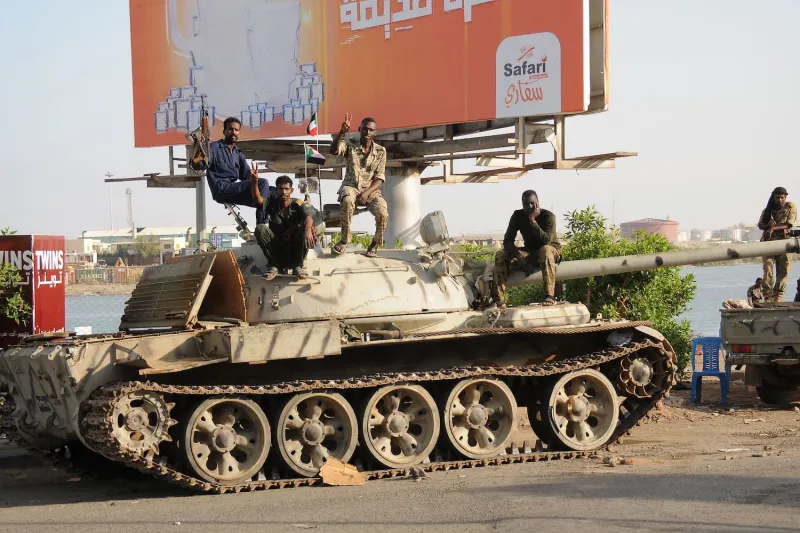
Some shit you should know before you dig in: Back in April 2023, a civil war erupted in Sudan following a power struggle between the Sudanese Armed Forces (SAF) and the RSF, once allied groups that had a falling out over plans to integrate the RSF into the SAF. The SAF, led by Gen. Abdel Fattah al-Burhan, claims it is defending the country’s sovereignty and constitutional order, while the RSF, under Gen. Mohamed Hamdan Dagalo, argues it is fighting to dismantle military dominance and establish civilian rule. Both sides have been widely accused of committing atrocities, including ethnic cleansing, sexual violence, and attacks on civilians. The conflict has also drawn in regional actors, with Sudan’s government accusing the United Arab Emirates of covertly supporting the RSF by supplying arms and hiring foreign mercenaries (allegations the UAE has denied). Other neighboring countries have been suspected of backing different factions to serve their own strategic interests, further fueling the instability.

What’s going on now: During an end-of-year press conference, US Secretary of State Marco Rubio confirmed that the United States is pushing for a ceasefire into the new year, calling it a “great opportunity for both sides to agree” to halt hostilities and allow desperately needed humanitarian aid to reach civilians. He stated that the US is focused on convening key stakeholders and using its diplomatic leverage to pressure outside actors who are supplying weapons to the warring factions. “Without their support, neither side can continue,” Rubio said, adding, “That’s why we need to engage, and that’s why we’ve engaged the parties involved in all of this.”
Secretary Rubio pointed specifically to external arms shipments as a key factor sustaining the war. He noted that “all these weapons are acquired from abroad,” and emphasized that countries facilitating these flows have the influence to stop them.
Rubio’s comments come as fighting has intensified in Sudan’s vast Kordofan region, shifting the epicenter of the conflict from Darfur. In Dilling, RSF and allied forces shelled residential neighborhoods over two days, killing dozens of civilians, including women, children, and the elderly, according to the Sudan Doctors Network.
Related posts:
 1,500 Civilians Killed by Sudan’s Rapid Support Forces After Group Captures Major City
 Humanitarian Groups Accuse Sudan’s RSF of Covering Up War Crimes by Burning and Burying Bodies of Thousands Killed in Recent Genocide; UN Condemns
 US Slaps Sanctions on Colombian Network Supplying Foreign Fighters in Sudan
 Top US Senator Urges International Intervention in Sudan Amid Rising Civilian Threats