Already a subscriber? Make sure to log into your account before viewing this content. You can access your account by hitting the “login” button on the top right corner. Still unable to see the content after signing in? Make sure your card on file is up-to-date.
The United States has announced new sanctions targeting a Colombian-led transnational network accused of recruiting former military personnel to fight for Sudan’s Rapid Support Forces (RSF).
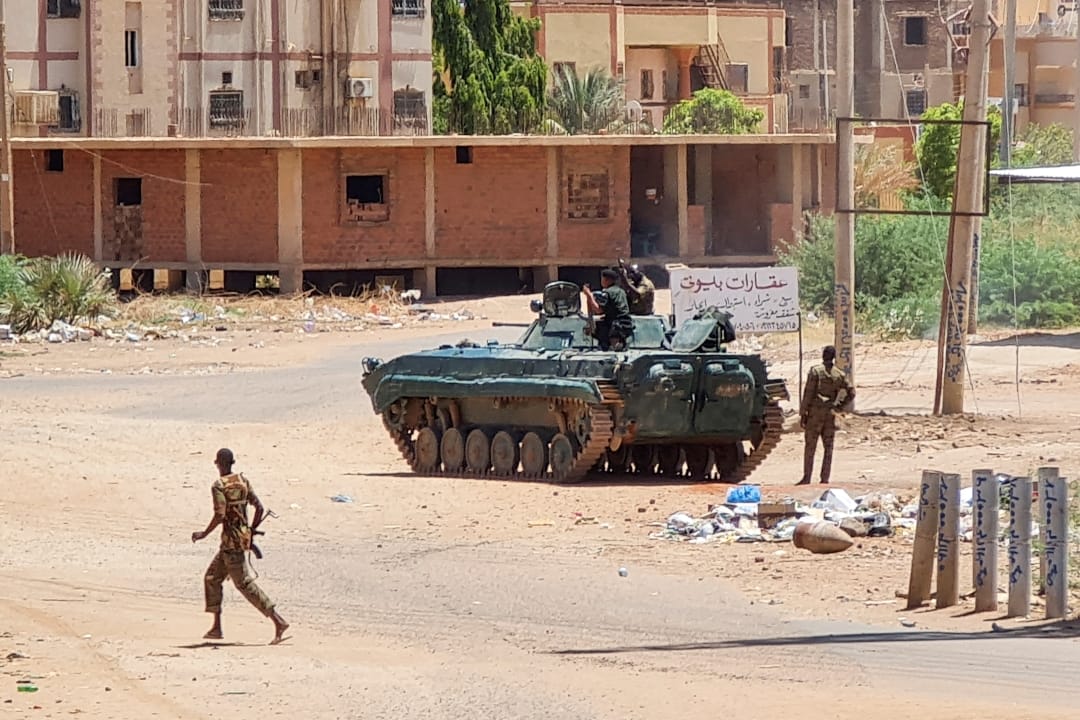
Some shit you should know before you dig in: Back in April 2023, a civil war erupted in Sudan following a power struggle between the Sudanese Armed Forces (SAF) and the RSF, once allied groups that had a falling out over plans to integrate the RSF into the SAF. The SAF, led by Gen. Abdel Fattah al-Burhan, claims it is defending the country’s sovereignty and constitutional order, while the RSF, under Gen. Mohamed Hamdan Dagalo, argues it is fighting to dismantle military dominance and establish civilian rule. Both sides have been widely accused of committing atrocities, including ethnic cleansing, sexual violence, and attacks on civilians. The conflict has also drawn in regional actors, with Sudan’s government accusing the United Arab Emirates of secretly supporting the RSF by supplying arms and hiring foreign mercenaries (allegations the UAE has denied). Other neighboring countries have been suspected of backing different factions to serve their own strategic interests, further fueling the instability.

What’s going on now: In a notable development, the US Treasury slapped sanctions on four individuals and four companies that officials say form the backbone of a shadowy, Colombia-based network supplying fighters to the RSF. According to the Treasury, this network recruited and deployed hundreds of former Colombian military personnel to Sudan starting in late 2024, where they’ve served as drone pilots, vehicle operators, and even trainers of child soldiers. These recruits were sourced through Colombian employment agencies that masked their true intentions under the guise of civilian jobs, while Panama-based intermediaries helped coordinate contracts and convert currencies to pay the fighters.
The fighters themselves were largely drawn from Colombia’s vast pool of former military personnel, many of whom had experience from decades of internal conflict. These veterans were described as ideal mercenary candidates. Once in Sudan, they were embedded with RSF units in key flashpoints including Khartoum, Omdurman, Kordofan, and El Fasher. According to a letter submitted by Sudan’s government to the UN Security Council, between 350 and 380 Colombian mercenaries are believed to be on the ground, serving directly under RSF command and amplifying the paramilitary group’s battlefield effectiveness.
At the center of the operation that made this all happen is Alvaro Andres Quijano Becerra, a retired Colombian military officer with alleged ties to past drug trafficking groups, who now resides in the United Arab Emirates. He co-founded the Bogotá-based International Services Agency (ISA), described by the Treasury as the “main recruiting node.” Alongside his wife, Claudia Viviana Oliveros Forero, who manages ISA, Quijano organized virtual “town halls” and group chats to recruit Colombians for combat roles in Sudan. The recruits reportedly included drone operators, snipers, and translators. To conceal these efforts, ISA worked with Panama-registered Global Staffing S.A., which signed the actual contracts and funneled money on behalf of the RSF-linked employer, allowing the company to maintain plausible deniability.
The financial structure behind the mercenary operation was similarly sophisticated. A second Colombian firm, Maine Global Corp, run by Mateo Andres Duque Botero, handled payroll disbursement and served as a foreign exchange intermediary. Maine Global, according to US officials, worked closely with both Global Staffing and US-based firms tied to Duque to wire millions in payments, converting euros and Colombian pesos into US dollars.
US Official reacts: In a statement, Under Secretary of the Treasury for Terrorism and Financial Intelligence John K. Hurley said, “The RSF has shown again and again that it is willing to target civilians—including infants and young children. Its brutality has deepened the conflict and destabilized the region, creating the conditions for terrorist groups to grow.”
Related posts:
 Humanitarian Groups Accuse Sudan’s RSF of Covering Up War Crimes by Burning and Burying Bodies of Thousands Killed in Recent Genocide; UN Condemns
 1,500 Civilians Killed by Sudan’s Rapid Support Forces After Group Captures Major City
 US Announces New Sanctions Targeting Leader of Sudan’s RSF, Officially Accuses RSF of Genocide
 Updates From Middle East