Already a subscriber? Make sure to log into your account before viewing this content. You can access your account by hitting the “login” button on the top right corner. Still unable to see the content after signing in? Make sure your card on file is up-to-date.
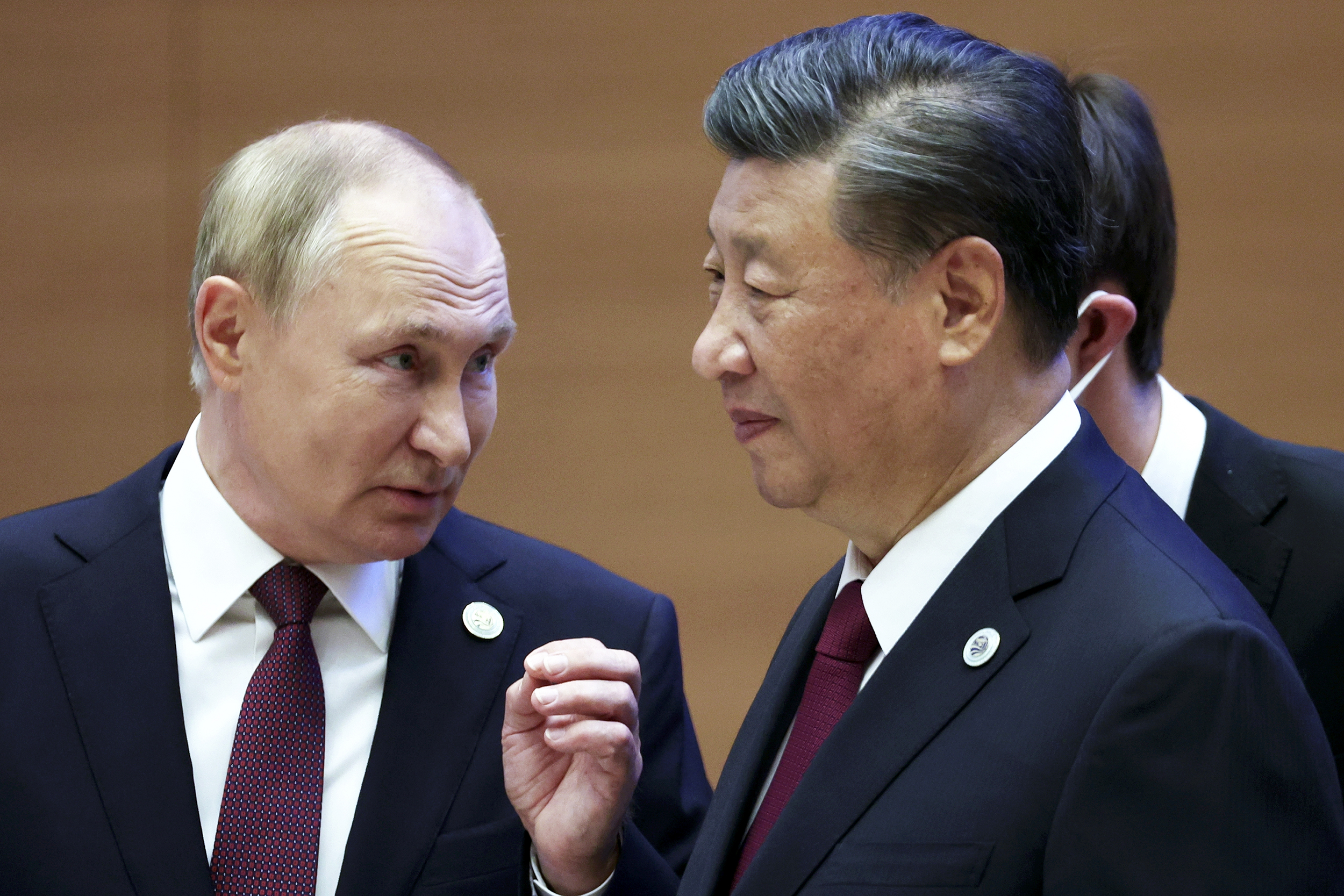
Chinese President Xi Jinping and Russian President Vladimir Putin have held a phone call ahead of a possible meeting between Putin and President Donald Trump.
Some shit you should know before you read: Since the war broke out in Ukraine, China has publicly maintained a stance of neutrality, consistently calling for a ceasefire and dialogue while denying any direct military support to Russia. Despite these claims, Western intelligence and independent reports have indicated that Chinese companies have supplied dual-use items, including semiconductors, navigation equipment, and machine tools, to bolster Russia’s defense industrial base. The US government has previously responded by imposing sanctions on dozens of Chinese firms for allegedly enabling Russia’s military production through these exports.

Getting into it: During the call, held at Putin’s request, Xi welcomed continued dialogue between Russia and the US, telling the Russian leader that China “will uphold its consistent position” and “continue promoting peace and dialogue” to address the war in Ukraine. He described the situation as “a set of complex issues with no simple solutions” and stressed that China supports “better US–Russia relations” as a means to advance a long-term political settlement. Putin, in turn, briefed Xi on his recent talks with US envoy Steve Witkoff, outlining the outcomes of ongoing US–Russia communications.
The call came amid rising tensions, as the US has signaled it will impose heavy tariffs on countries that continue purchasing Russian oil (with China, Turkey, and Brazil among the largest buyers). President Trump warned he could soon roll out secondary tariffs targeting these nations, similar to the 25% duties already imposed on India, as part of a broader package of new sanctions against Russia for its ongoing offensive in Ukraine. Trump’s goal is to strangle Russia’s revenues by forcing its trading partners to reduce energy imports (thus making it difficult to fund their war effort)
China has responded to Trump’s warnings on possible secondary tariffs, defending its energy cooperation with Russia as lawful and in line with its national needs. Chinese Foreign Ministry spokesperson Guo Jiakun said, “China’s trade and energy cooperation with Russia is just and legitimate. We will continue to take reasonable measures to ensure energy security based on our own national interests.” Guo’s remarks echo those of India, which also said it would make decisions based on its own national interests.
Related posts:
 Updates From Middle East
 Annual US Threat Assessment Says Russia Has ‘Upper Hand’ in Ukraine, Circumvents Sanctions via China & BRICS Nations
 Annual US Threat Assessment Again Identifies China as Largest Threat to US National Security, Warns of Growing Military Power
 A Deep Dive: Influencers and “Independent” Journalists on Both Sides Being Paid to Advance Political Talking Points