Already a subscriber? Make sure to log into your account before viewing this content. You can access your account by hitting the “login” button on the top right corner. Still unable to see the content after signing in? Make sure your card on file is up-to-date.
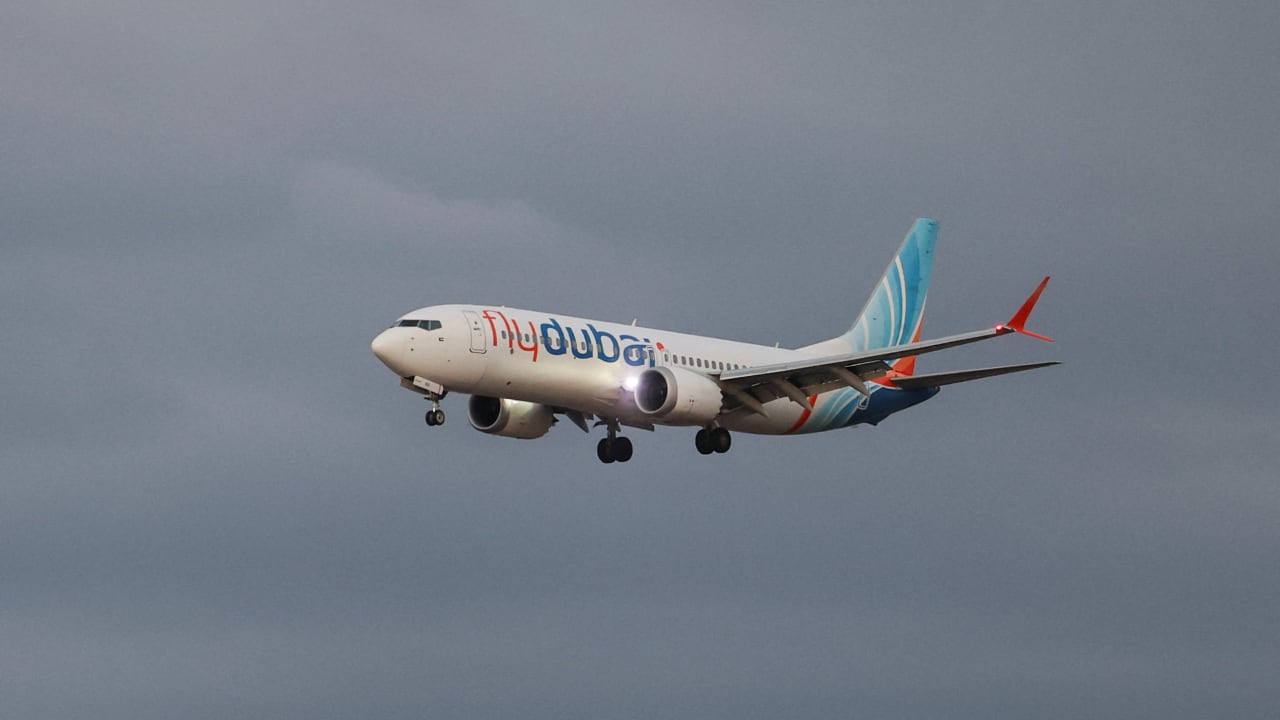
Israel has approved the return of Flydubai flights to Tel Aviv, nearly two months after a co-pilot allegedly tried to crash one of the airline’s Israel-bound jets.
Some shit you should know before you dig in: Back in September, Flydubai flight FZ1073, a Boeing 737 Max 8 carrying 174 people, mostly Israelis, was headed from Dubai to Tel Aviv when its co-pilot, an Omani national identified as Hamam al-Hammami, attacked the captain, Indian national Smit Machchhar, mid-flight. According to the UAE’s attorney general, it was an attempted suicide attack, and al-Hammami’s goal was to fly the jet into a Ben Gurion Airport terminal. The captain and several passengers subdued him, and the flight was rerouted to Tabuk, in northwestern Saudi Arabia, where it landed safely and authorities took the co-pilot into custody. UAE prosecutors later said al-Hammami gave a “detailed confession” in the presence of his lawyer, admitting that he acted alone, that he became a pilot because he wanted to carry out a 9/11-style attack, and that he had taken two earlier flights to Ben Gurion to familiarize himself with the route.

What’s going on now: In a notable development, Israeli Transportation Minister Miri Regev approved the airline’s return on Monday, but security officials still have to clear the flights, which the ministry expects to restart within the next week or two. The decision followed a Nov. 16 meeting in Dubai, where Israeli and Emirati aviation officials worked out new security measures, though the ministry didn’t spell out what Flydubai actually changed.
Before the flights were suspended, the airline flew out of Tel Aviv 10 times a day, and plenty of Israelis used Dubai as a connecting point for trips to Asia. Since the incident, Israel has tightened checks on foreign airline pilots and crew whose flights land in or cross its airspace.
“The move is a significant step toward restoring air connectivity between Israel and the UAE and expanding flight options for passengers,” Israel’s Transportation Ministry said.
Related posts:
 Updates From Middle East
 Flydubai Co-Pilot Planned to Crash Plane Into Ben Gurion Airport in 9/11-Style Attack, UAE Says
 Top US Official Says Embassy Branch in Tel Aviv Sustained Minor Damage From Iranian Strikes Targeting Israel
 Top US Military Official Acknowledges High Costs of Deporting Illegal Immigrants, Disputes WSJ Claim That US Is Halting Military Deportation Flights