Already a subscriber? Make sure to log into your account before viewing this content. You can access your account by hitting the “login” button on the top right corner. Still unable to see the content after signing in? Make sure your card on file is up-to-date.
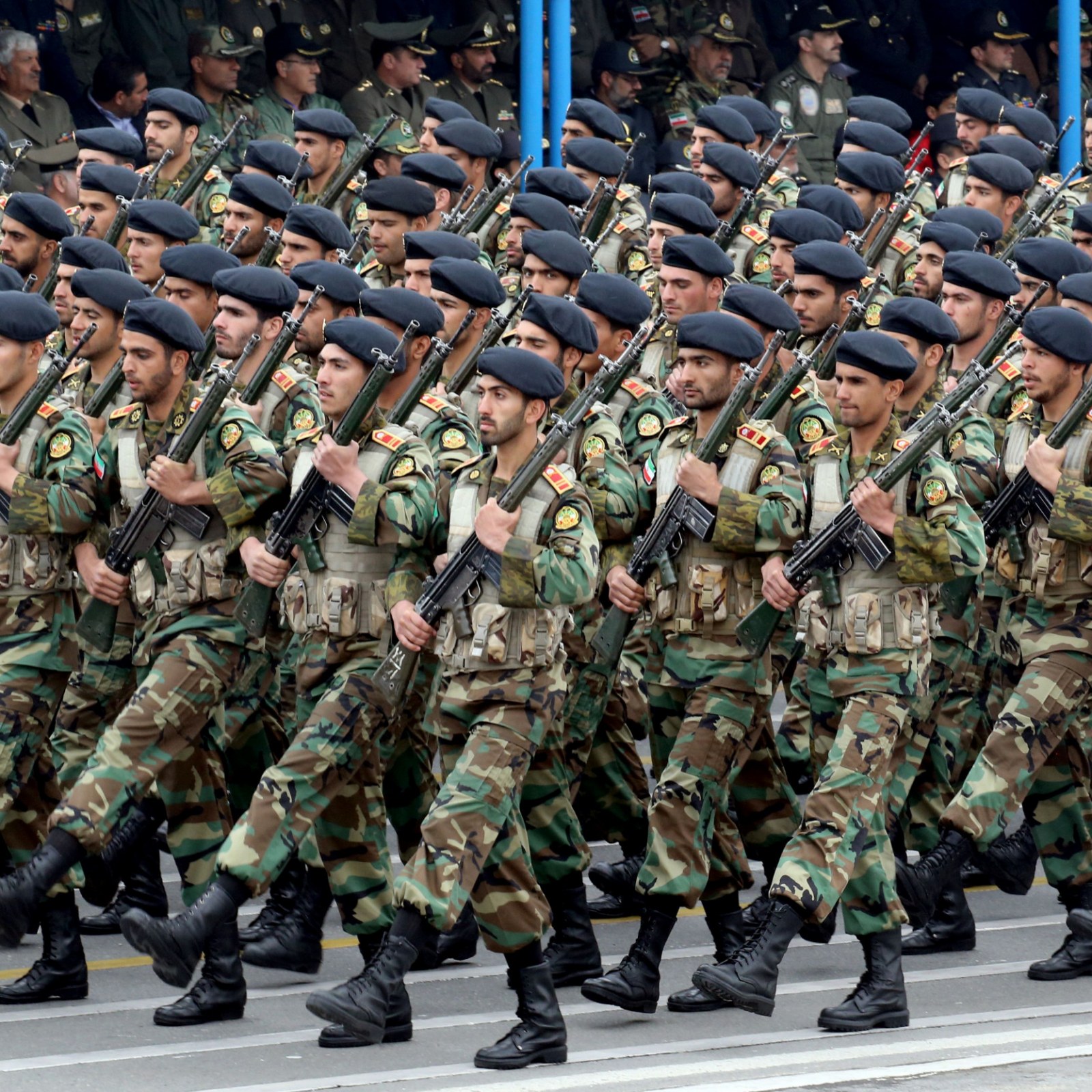
Iran has pushed back on claims made by a top US military official that the American naval blockade has left the country so strapped for cash that its Revolutionary Guard isn’t paying its troops.
Getting into it: In a video message Friday, US Central Command chief Adm. Brad Cooper said US military strikes and the blockade of Iran’s southern ports have “dealt severe blows” to Iran, blocking at least $25 billion in oil exports and freezing about $350 million in Iranian cryptocurrency. Cooper said Iran has been forced to hold back salaries and pensions across its energy, construction and security sectors, and that some Iran-backed militias are withholding pay from their own fighters to send money back to the IRGC.
Iran’s Central Bank chief Abdolnaser Hemmati called claims of economic collapse “nothing more than an illusion,” saying the economy “has demonstrated very good resilience,” though President Pezeshkian admitted the blockade and strikes have caused serious problems for the country.

The reality is Iran’s economy is in rough shape, with inflation near 90%, its currency in free fall and the World Bank projecting a 7.7% contraction this year, while retired government workers have protested over missing pensions. Iran leans on oil for roughly a third of its budget, and payments for the last shipments that got out before the blockade could run dry by December.
“The Islamic regime is clearly feeling the economic pain, and the IRGC is increasingly showing signs of greater desperation as a result,” Cooper said.
This all comes as some reports indicate that Iran is rebuilding its weapons programs despite the financial strain. New satellite images analyzed by the Foreign Policy Research Institute show crews digging and building below ground again at three major missile sites, Parchin, Khojir and Shahroud, with the report estimating Iran could restart missile production within about a year, while the Wall Street Journal reported Iran is already back to building ballistic missiles underground out of parts it stashed away before the war.
Separate images show Iran repairing Taleghan 2, a Parchin site suspected of nuclear weapons research, and resuming activity at another suspected nuclear site northeast of Tehran, as Israeli officials warn Iran is rebuilding faster than expected, and an Emirati outlet reported Tehran has told Hezbollah to get ready for a war it sees as “imminent.”
Related posts:
 Updates From Middle East
 A Deep Dive: Influencers and “Independent” Journalists on Both Sides Being Paid to Advance Political Talking Points
 Top Iranian Official Says Americans Will See Prices Rise if Trump Rejects Tehran’s Peace Counterproposal
 Iran Rules out Talks with US Until Trump Drops “Maximum Pressure” Campaign