Already a subscriber? Make sure to log into your account before viewing this content. You can access your account by hitting the “login” button on the top right corner. Still unable to see the content after signing in? Make sure your card on file is up-to-date.
President Trump signed an executive order Monday allowing anyone to buy tax-free red-dyed diesel for any use, as diesel prices remain near record highs heading into the midterms.
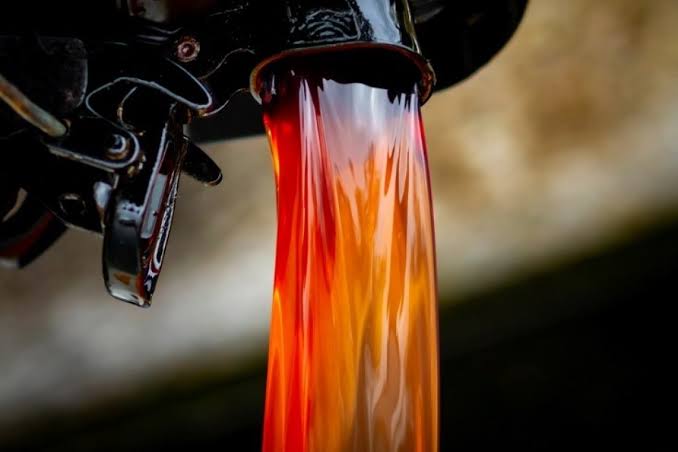
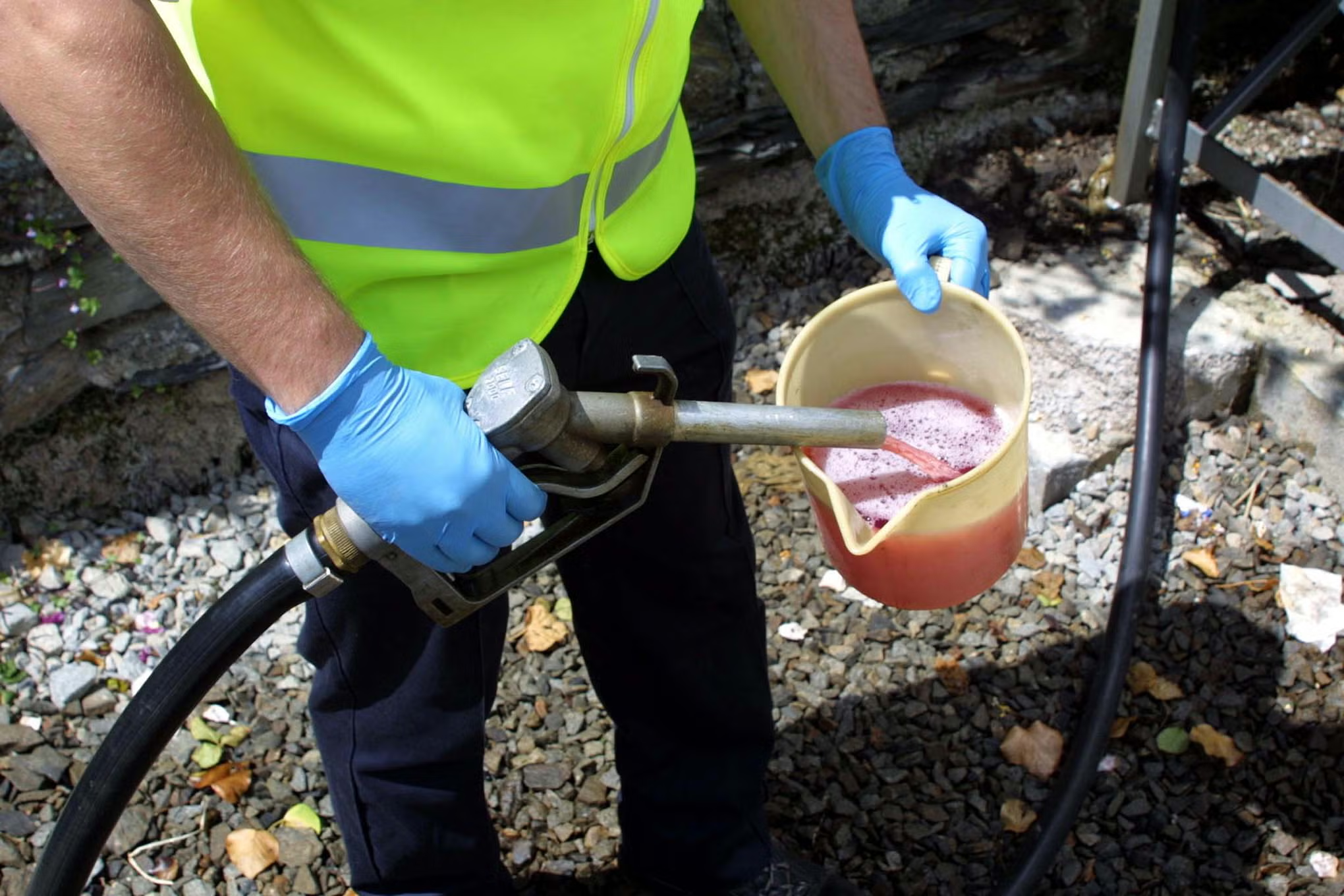
Getting into it: Red-dyed diesel is chemically identical to what’s sold at the pump, but it carries no fuel tax and is normally restricted to off-road equipment like tractors and construction machinery, with the dye letting inspectors spot it in highway vehicles. Trump signed the order on stage at a campaign rally in Grand Island, Nebraska, for Republican Sen. Pete Ricketts and Gov. Jim Pillen. According to a White House fact sheet, it temporarily lets trucks and other road vehicles use dyed diesel through the end of the year, defers the 24.4-cent-per-gallon federal diesel tax without penalties, tells the Treasury to explore wiping out those deferred taxes entirely and encourages states to stop inspections and waive their own taxes.
Ten states, including Texas, Oklahoma and Alabama, have already made similar moves. Diesel averaged $6.32 a gallon Monday, down from a record $6.53 on Sept. 22 but up from $3.76 before the Iran war began, with prices up 77% this year, the steepest yearly rise in AAA records going back to 2000.
“I’m going to sign a historic executive order to officially waive the off-road requirement, and allow anyone to purchase tax-free red dyed diesel for any reason,” Trump said. “This order will also drive down the costs of all goods, including groceries.”
Analysts say the savings will be limited. Dropping the federal tax knocks about $60 off a 250-gallon fill-up that now runs around $1,580, or more than $100 if states also drop their taxes, but most stations and truck stops don’t even carry it.
Some experts also warn a rush of truckers buying it could squeeze supplies for farmers during harvest season. GasBuddy’s Patrick De Haan said it “can allow politicians to take a bit of a victory lap,” but “won’t fix the problem overnight.” The bigger issue is a global refinery shortage driven by war damage in the Middle East, Ukrainian strikes on Russian refineries and Chinese export limits.
This all comes days after the G7 agreed to release 100 million barrels of oil and diesel from emergency reserves under pressure from Trump, and as Republicans in farm states like Nebraska, where Ricketts faces an increasingly competitive race, try to show voters they’re tackling fuel costs before the Nov. 3 elections.