Already a subscriber? Make sure to log into your account before viewing this content. You can access your account by hitting the “login” button on the top right corner. Still unable to see the content after signing in? Make sure your card on file is up-to-date.
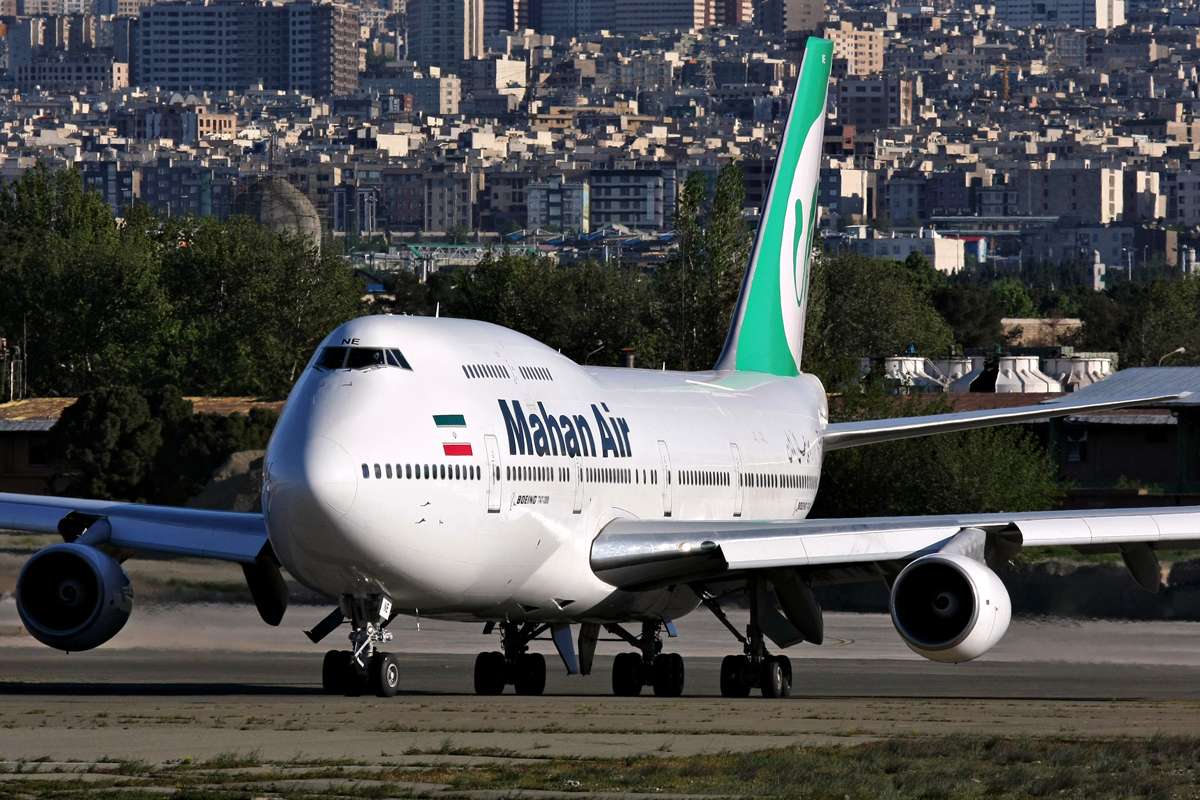
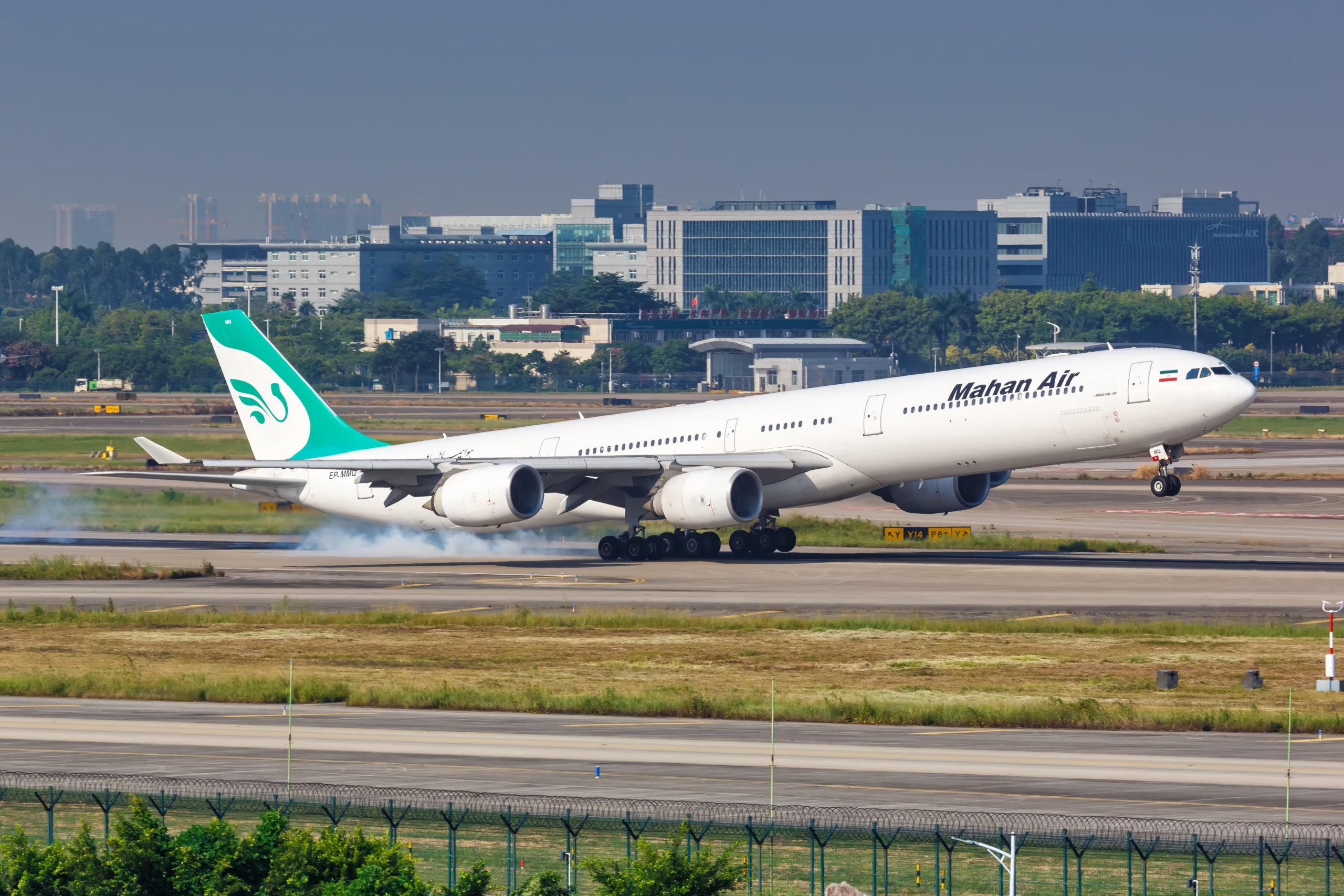
Iran is pushing Iraq to lift restrictions on flights between the two countries, after new US sanctions on Iranian airlines sharply cut Iran’s air links to the rest of the world.
Getting into it: In a statement Thursday, Iran’s Foreign Ministry called the US sanctions “illegal and inhumane” and “economic terrorism,” saying the restrictions have caused serious problems for “hundreds of thousands of passengers, pilgrims, medical patients, students, and business professionals.” The ministry also asked Baghdad to make “appropriate decisions” to restore normal air travel.
The sanctions, which took effect Sept. 23, threaten to lock any company that sells tickets, fuel or services to Iranian airlines out of the US financial system, and as a result, foreign ground crews at Iraqi airports have refused to work with Iranian carriers. Flights between Iran and the holy city of Najaf resumed this week under a limited one-month US waiver for Iraqi Airways, but flights out of Baghdad, Erbil and Sulaimaniyah are still grounded, leaving travelers to make the trip by road, a drive that can take 12+ hours.
The suspensions have sparked protests in several Iraqi cities, and Iran-backed militia leaders have threatened to stage sit-ins at airports and block planes from landing if flights aren’t restored. Iraq’s government says it is in “direct dialogue” with Washington to get exemptions for medical care, education and religious travel.
The sanctions have cut flights at Tehran’s main international airport by 40%, according to FlightRadar24. Service to Georgia, Oman, Azerbaijan and Dubai has stopped completely, service to Turkey has dropped 20%, and flights to China are unchanged. A handful of countries, including China, Russia, Vietnam, Thailand, Malaysia and Pakistan, are still accepting Iranian flights, which analysts say may be tied to Iran letting those countries’ oil tankers through the Strait of Hormuz.
This all comes as experts warn Iran’s aging planes are becoming increasingly dangerous, as years of sanctions have blocked access to parts and maintenance.
Related posts:
 Updates From Middle East
 Iran Rules out Talks with US Until Trump Drops “Maximum Pressure” Campaign
 US Slaps Sanctions on Multiple Companies Allegedly Tied to Iran’s Oil & Petrochemical Industry
 US Hits Iran with More Sanctions Targeting Oil Industry — Iranian Officials Pissed, Warn It Could Derail Ongoing US-Iran Talks