Already a subscriber? Make sure to log into your account before viewing this content. You can access your account by hitting the “login” button on the top right corner. Still unable to see the content after signing in? Make sure your card on file is up-to-date.
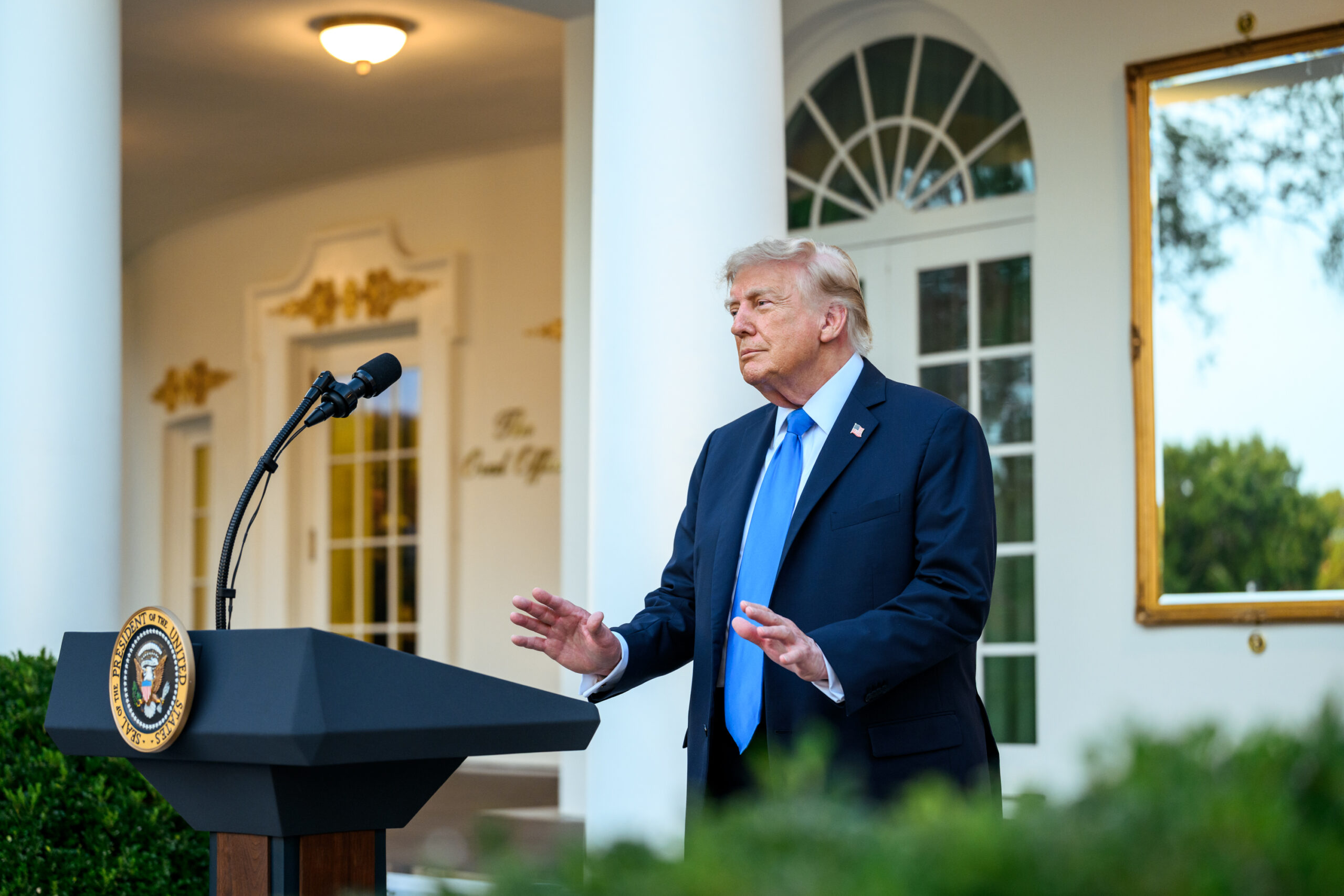
According to a new report, one of the owners of the largest meatpacker in the world met with President Trump in the Oval Office on Aug. 20 and lobbied him to drop the 26% import tax on beef one day before the president announced a temporary rollback of exactly that tariff.
Getting into it: First reported by the Wall Street Journal on Monday, citing people familiar with the matter, the meeting was between Trump and Joesley Batista of JBS. The two discussed how more Brazilian beef flowing into the US could bring down prices if the tariff came off. Brazil is the world’s largest beef exporter, and Agriculture Department figures put its beef shipments into the US at roughly $1.5 billion over the first half of the year, a 10% jump from where that number stood a year ago. That same day, Brazilian President Luiz Inácio Lula da Silva spent 80 minutes on the phone with Trump discussing tariffs, organized crime and global conflicts.

The White House pushed back on the idea that Batista drove the decision. In a statement, it said, “President Trump’s action to address a short-term supply crunch in the beef market was the result of a long policy planning and coordination process involving domestic stakeholders; this action was not done as the result of any one conversation.”
This comes after Trump’s move to roll back the tariff for 90 days, letting up to 300,000 metric tons of beef into the country duty-free. That works out to roughly 2% of what Americans eat in a year. He said the imported product would land on shelves a quarter cheaper than what the market is charging now, and framed it as a way to lower costs for working families while giving American ranchers room to rebuild their herds.
Ranchers are not happy about it. The American cattle herd is at its smallest in decades after drought and expensive feed, the same squeeze that drove beef prices to record highs. The worry among analysts is that ranchers read cheap South American lean beef as a signal to stop rebuilding, which would stretch the shortage out even further, and the tradeoff for that is lower ground beef prices at the grocery store and the drive-thru.
More to come.