Already a subscriber? Make sure to log into your account before viewing this content. You can access your account by hitting the “login” button on the top right corner. Still unable to see the content after signing in? Make sure your card on file is up-to-date.
President Trump has threatened to add the cost of wildfire smoke pollution to existing tariffs on Canadian goods.
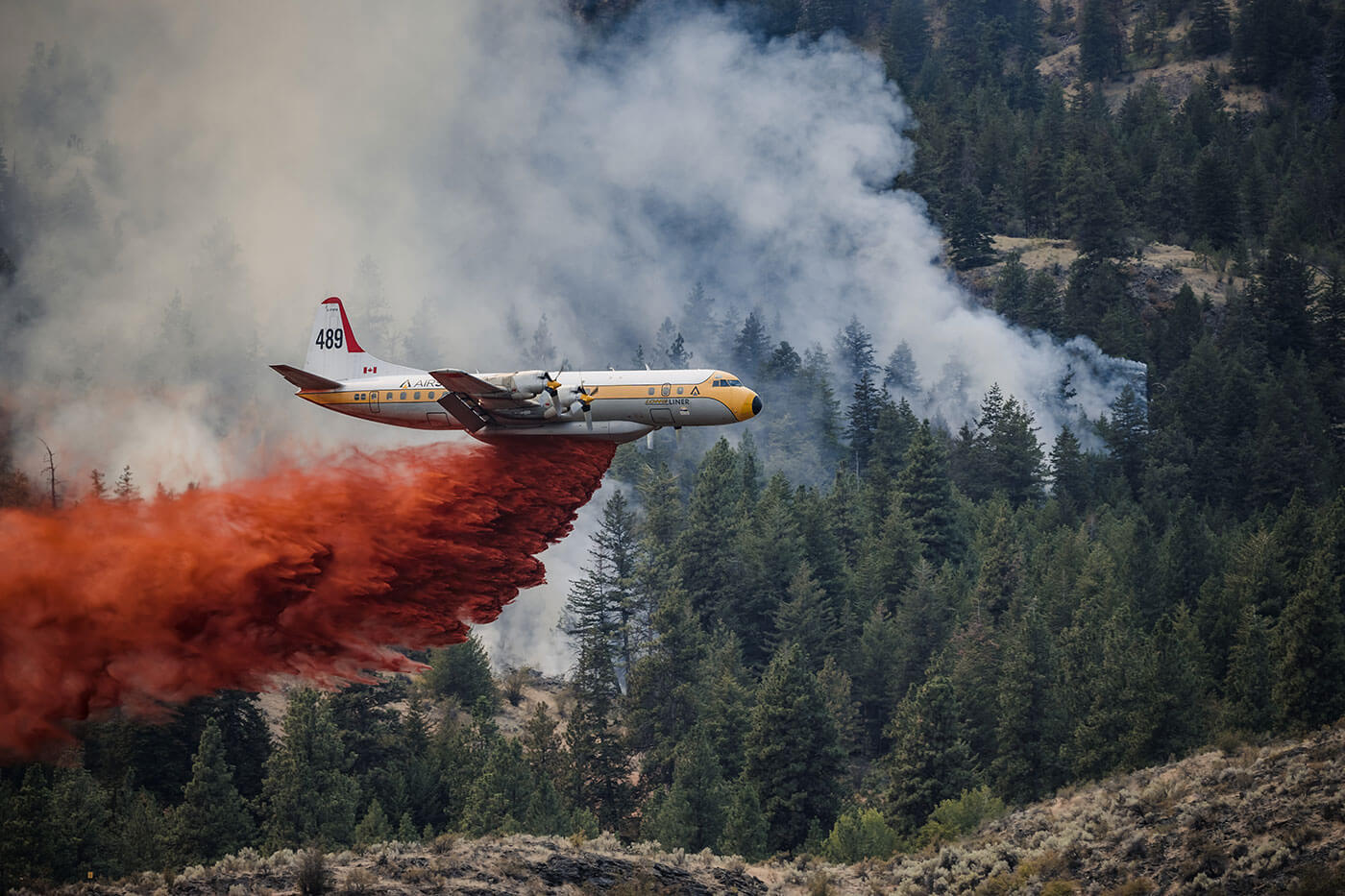
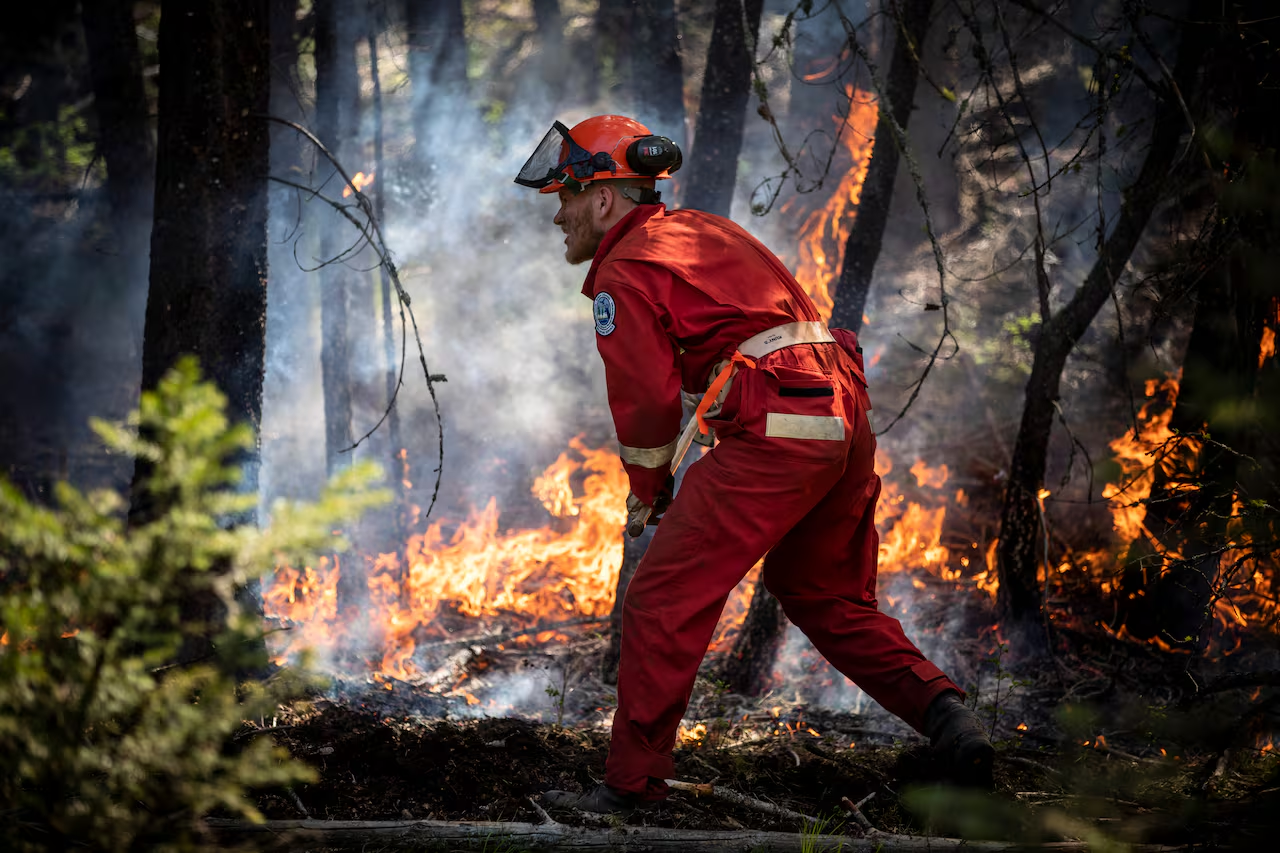
Some shit you should know before you dig in: If you’re unaware, 888 wildfires are actively burning across Canada, most of them out of control, including more than 190 in Ontario alone. Nearly 3 million hectares have already burned. The smoke has spread across more than 20 states from Minnesota and Michigan through Pennsylvania, Ohio, and New York, triggering hazardous air quality alerts, canceling outdoor events, and delaying flights. At one point Friday, Detroit had the worst air quality in the world, according to tracker IQAir. In Canada, at least 10 communities have evacuated, and one First Nations chief said an aerial flyover showed her community had been “burnt to ashes.” US-Canada relations were already tense after Trump imposed tariffs last year on a longtime free trade partner, with no trade deal reached since.
What’s going on now: In a Truth Social post, Trump wrote that “we are holding Canada responsible for the fact that they are not properly maintaining their Forests, and Brush therein, and the United States is being unnecessarily invaded by filthy, polluted, and unhealthy air, the quality of which is dangerous, and totally unacceptable!” He accused Canada of refusing to do “basic Forest Management and Debris Removal” and said the billions in costs “must of necessity be added to the TARIFFS Canada is currently paying,” adding he’d call Prime Minister Mark Carney to “find out what they are going to do about it.”
It’s not clear Trump actually has the legal authority to do this after the Supreme Court significantly constrained his tariff powers this year. The 10% global tariff he implemented under a different trade law after that ruling is set to expire next week.

The White House didn’t specify what law he’d use here, with spokesman Kush Desai saying only that the president has “numerous tariff powers at his disposal.”
Canadian officials pushed back, pointing to decades of mutual firefighting cooperation. Ontario Premier Doug Ford noted Canada helped fight California’s wildfires and responded to hurricanes in North Carolina, saying “maybe what you should do rather than complain is send support, send help, because we have done the exact same thing for our American friends.”
He said more than 150 fire crews and roughly 80 water bombers and helicopters are deployed, and that Ontario has spent over a billion dollars on wildland fire since 2018.
Related posts:
 Canada Moves Forward with 25% Surcharge on Electricity Imports Impacting New York, Michigan, & Minnesota
 Bipartisan Lawmakers Introduce Bill to Ban DeepSeek From Government Devices Over Security Concerns
 Canada Hits US with Retaliatory 25% Tariffs on Certain Goods After US Tariffs on Steel & Aluminum Go Into Effect
 Updates From Middle East