Already a subscriber? Make sure to log into your account before viewing this content. You can access your account by hitting the “login” button on the top right corner. Still unable to see the content after signing in? Make sure your card on file is up-to-date.
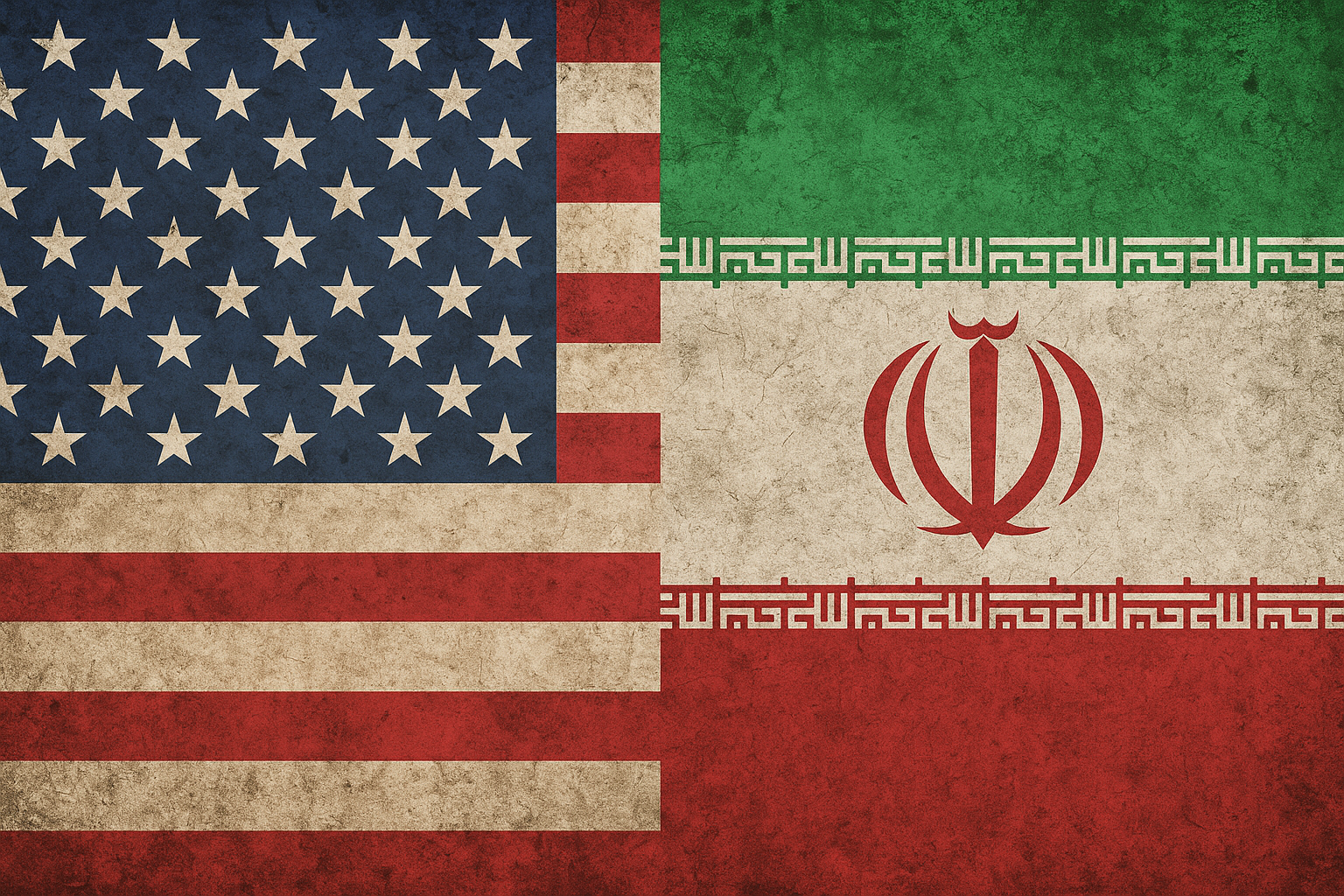
Iran has rejected a US-backed ceasefire proposal that seeks to pause the fighting for a limited period of time.
Some shit you should know before you dig in: Over the last 48 hours, a US-backed ceasefire proposal has been circulated by mediators from Egypt, Pakistan, and Turkey, outlining a framework for a temporary 45-day halt in fighting between both sides. The proposal calls for the reopening of the Strait of Hormuz to restore global energy flows, alongside confidence-building measures such as limited de-escalation steps and indirect negotiations toward a broader peace agreement. It is designed as the first phase of a two-stage process, where the temporary ceasefire could be extended while talks continue on a permanent resolution, including discussions around sanctions relief, reconstruction, and Iran’s nuclear activities.

What’s going on now: In a notable development, Iranian officials have again rejected the proposal, calling it “unrealistic” and ruling out any negotiations conducted under pressure, sanctions, or military threats. Tehran has made clear it will not accept a temporary ceasefire, arguing that past agreements were violated and that entering another short-term arrangement without guarantees would be “stupid.” Instead, Iranian officials say they are seeking a permanent end to the war, along with binding assurances that future attacks will not occur, as well as relief from sanctions and support for reconstruction.
The rejection comes as Trump’s deadline for Iran to reach a deal rapidly approaches, with the US warning that failure to comply (particularly regarding reopening the Strait of Hormuz) would trigger unprecedented military action. Trump has threatened strikes on Iran’s critical infrastructure, including power plants and bridges, and suggested that the scale of potential attacks could expand dramatically if no agreement is reached by the stated cutoff.
Those threats have raised alarm among international observers, with concerns that targeting civilian infrastructure could violate international law and constitute war crimes. However, US officials and supporters of the strategy argue that such sites may be considered legitimate military targets if they are being used to support Iran’s military operations.
Related posts:
 Updates From Middle East
 Iran Rules out Talks with US Until Trump Drops “Maximum Pressure” Campaign
 A Deep Dive: Influencers and “Independent” Journalists on Both Sides Being Paid to Advance Political Talking Points
 US Slaps Sanctions on Multiple Companies Allegedly Tied to Iran’s Oil & Petrochemical Industry