Already a subscriber? Make sure to log into your account before viewing this content. You can access your account by hitting the “login” button on the top right corner. Still unable to see the content after signing in? Make sure your card on file is up-to-date.
The United Kingdom will host a summit with more than 30 other countries to coordinate diplomatic, political, and potential military efforts aimed at reopening the Strait of Hormuz.
Some shit you should know before you dig in: If you’re unaware, Iran has effectively shut down the Strait of Hormuz, choking one of the most critical energy routes that moves roughly 20% of the world’s oil. Because of repeated missile, drone, and maritime attacks, no oil tankers are willing to transit the strait, which has severely disrupted global oil and LNG flows. As a result, energy markets have reacted, with oil and gas prices surging and putting intense pressure on economies around the world that are already grappling with inflation. Iranian officials have defended closing the strait, arguing it is a direct response to US and Israeli strikes on their own energy facilities. Recently, Iran has been allowing some tankers from “friendly” countries to transit the strait, with reports that the Iranians are now charging “tolls” for ships to go through the strait.

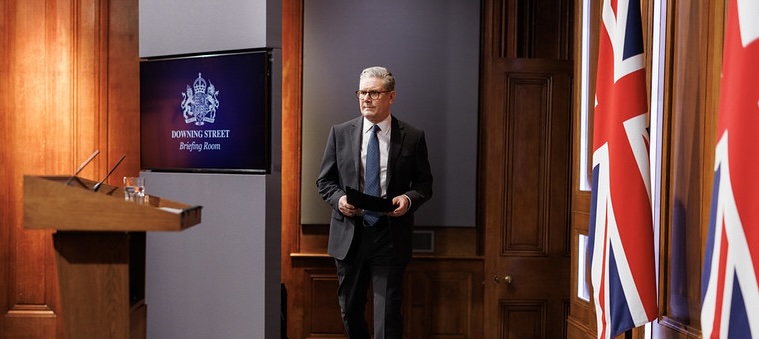
What’s going on now: UK Prime Minister Keir Starmer confirmed that Britain will convene a virtual meeting of 35 countries, bringing together a broad coalition that includes France, Germany, Italy, the Netherlands, Japan, Canada, Australia, South Korea, and the United Arab Emirates, among others. The goal of the summit is to “assess all viable diplomatic and political measures that we can take to restore freedom of navigation, guarantee the safety of trapped ships and seafarers and resume the movement of vital commodities,” Starmer said, framing the effort as a coordinated international response rather than a unilateral intervention. The meeting will focus heavily on aligning diplomatic pressure, coordinating maritime security commitments, and preparing industry partners to resume operations once conditions allow.
Starmer made clear that this is only the first phase. Following the diplomatic talks, the UK plans to bring together military planners to examine how participating nations can “marshal our capabilities and make the strait accessible and safe after the fighting has stopped.” He stressed that the challenge is not theoretical but operational, warning, “I do have to level with people on this. This will not be easy,” and adding that any reopening effort will require “a united front of military strength and diplomatic activity” alongside close coordination with the shipping and energy sectors.
Notably, the United States is not directly involved in this round of talks.
This comes amid growing pressure from the US for allies to take more responsibility in reopening the Strait of Hormuz. US Defense Secretary Pete Hegseth has openly called on other nations to step up, arguing the Strait of Hormuz is “not just an American problem” and saying countries “ought to be prepared to step up on this critical waterway.”
President Trump has gone even further, using blunt language to push allies into action. He said countries dependent on the strait should “build up some delayed courage, go to the Strait, and just TAKE IT,” adding that “the U.S.A. won’t be there to help you anymore.”
Related posts:
 Top US Official Demands Key Allies Deploy Naval Assets to Help Escort Ships in Strait of Hormuz; Allies Drag Their Feet
 Updates From Middle East
 Iran Says Strait of Hormuz Is Closed, Multiple Ships Halt Transit
 Top Iranian Official Blames US & Israel for Disrupting Hormuz Shipping, Allies Refuse to Help Trump Reopen Strait During Iran Conflict