Already a subscriber? Make sure to log into your account before viewing this content. You can access your account by hitting the “login” button on the top right corner. Still unable to see the content after signing in? Make sure your card on file is up-to-date.
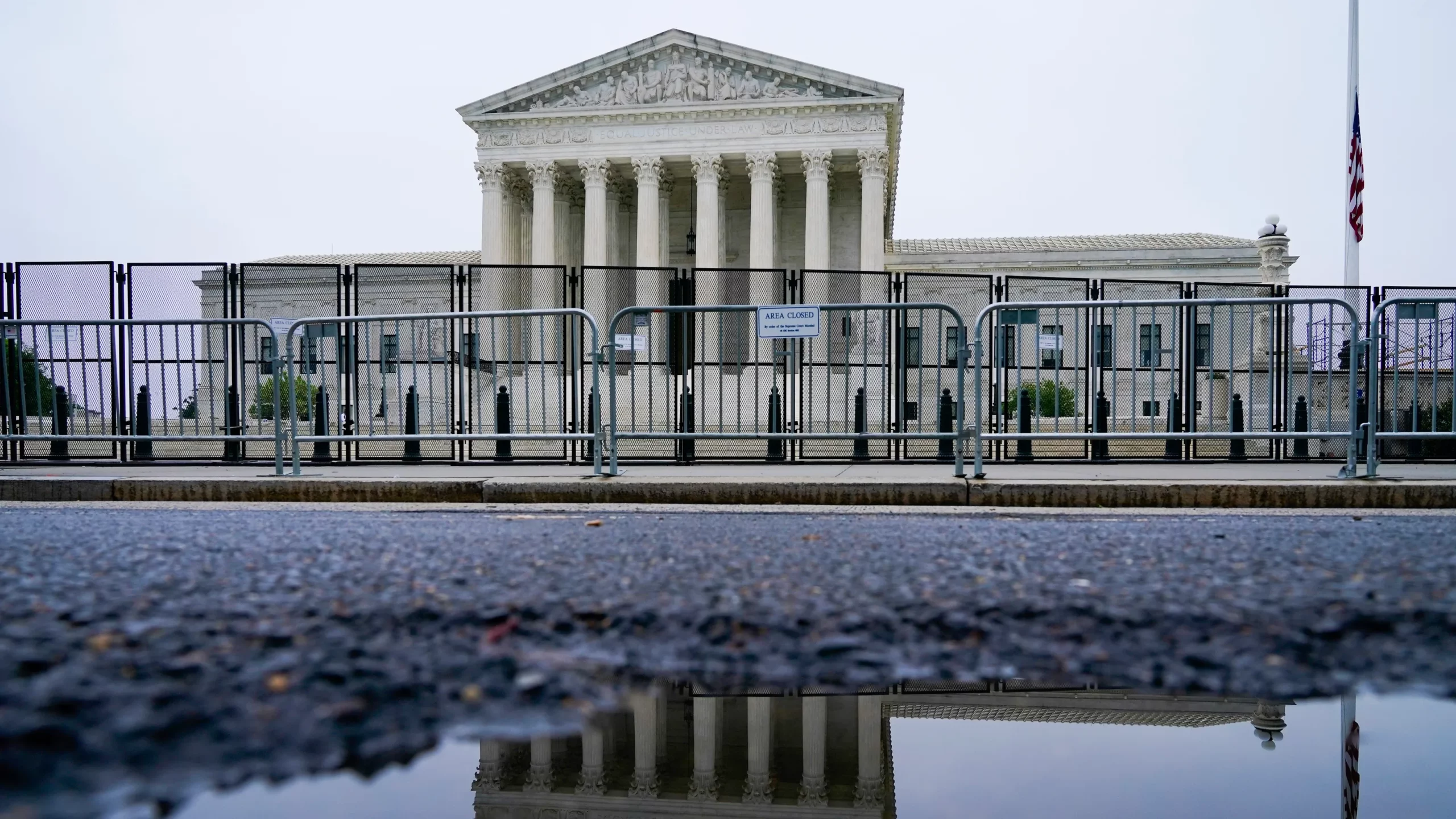
The Supreme Court officially heard oral arguments today on President Donald Trump’s effort to restrict birthright citizenship under the Fourteenth Amendment.
Some shit you should know before you dig in: When President Donald Trump returned to office, one of his first actions was signing an executive order aimed at ending automatic birthright citizenship for certain children born in the United States. Birthright citizenship, established under the Fourteenth Amendment, traditionally grants US citizenship to nearly anyone born on US soil regardless of their parents’ immigration status, with limited exceptions such as children of foreign diplomats. Trump’s order argued that this guarantee has been wrongly interpreted over time and that people in the country without permanent legal status are not fully under US authority, and therefore their children should not automatically receive citizenship. He said the policy was intended to address concerns about illegal immigration, discourage “birth tourism,” and ensure that citizenship is reserved for those with a more direct legal and permanent connection to the country. This ultimately led to multiple lawsuits challenging the order as unconstitutional, setting the stage for a major legal battle over the meaning of the Fourteenth Amendment.

What’s going on now: Supreme Court justices listened to arguments from both sides and quickly zeroed in on key weaknesses in the Trump administration’s case, with skepticism coming from across the bench. Solicitor General D. John Sauer, arguing for President Trump, claimed that individuals who are in the US on a temporary basis or without legal status do not fall fully under the country’s legal jurisdiction, and as a result, their children would not qualify for automatic citizenship under the Fourteenth Amendment. But some conservative justices including Chief Justice John Roberts, Neil Gorsuch, Brett Kavanaugh, and Amy Coney Barrett pushed back on that reasoning, raising questions about whether it aligns with the historical understanding of the amendment and pointing out that it relies on ideas like “domicile” that are not explicitly written into the Constitution.
On the other side, ACLU attorney Cecillia Wang argued that the Constitution and longstanding precedent especially United States v. Wong Kim Ark clearly establish that nearly all people born on US soil are citizens. While liberal justices appeared supportive, a few conservative justices, including Gorsuch and Barrett, also pressed Wang with follow-up questions, focusing on whether those narrow exceptions in the amendment should stay fixed or be applied differently in modern situations.
The arguments unfolded under unusual circumstances, as Trump attended the hearing in person, becoming the first sitting president to do so. He remained in the courtroom for his administration’s arguments before departing early.
After leaving, Trump doubled down on his stance writing on Truth Social, “We are the only Country in the World STUPID enough to allow “Birthright” Citizenship!”
Related posts:
 Trump Signs Executive Order Targeting Birthright Citizenship, ACLU Files Lawsuit
 22 States Sue Trump Over Executive Order Targeting Birthright Citizenship
 NY Appeals Court Overturns $500 Million Penalty Against Trump, Calls Fine Excessive
 Biden Proposes Major Supreme Court Reforms, Would Set Term Limits & Create Ethics Code