Already a subscriber? Make sure to log into your account before viewing this content. You can access your account by hitting the “login” button on the top right corner. Still unable to see the content after signing in? Make sure your card on file is up-to-date.
Saudi Arabia, Pakistan, Egypt, and Turkey are now pushing to bring the United States and Iran to the negotiating table as tensions in the Middle East continue to escalate.
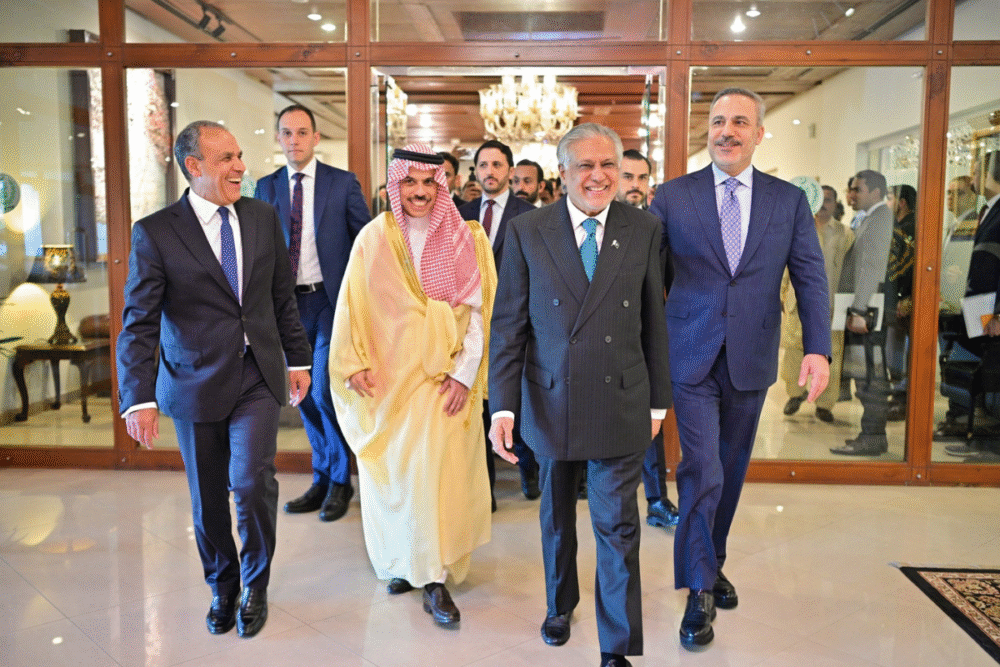
Getting into it: Following a summit between the foreign ministers of each country in Islamabad, the talks brought together top diplomats to align on one goal: pushing the United States and Iran toward direct negotiations. The meeting focused on de-escalation, restarting diplomacy, and preventing the conflict from spiraling further, with all four countries agreeing that dialogue is the only realistic path forward and backing Pakistan’s offer to host talks.

Pakistan is driving much of this effort, positioning itself as the main go-between and actively passing messages between the US and Iran. The urgency is being fueled by the shutdown of the Strait of Hormuz, which carries about 20% of global oil and gas and is now choking supply and pushing prices higher. There is now real concern that this disruption to roughly 20% of global supply could result in a global recession.
Despite all of these efforts and high risks, both sides are still far apart on an agreement. Iran is demanding a full stop to attacks, financial reparations, guarantees against future strikes, and concrete trust-building measures before it agrees to talks. The US, on the other hand, wants de-escalation commitments and the reopening of critical trade routes. That gap, combined with ongoing military action, is the biggest obstacle to getting negotiations off the ground.
There’s also growing international pressure to make talks happen. China has backed Pakistan’s role and is pushing Iran to engage, adding weight to the broader diplomatic push.