Already a subscriber? Make sure to log into your account before viewing this content. You can access your account by hitting the “login” button on the top right corner. Still unable to see the content after signing in? Make sure your card on file is up-to-date.
The United States is considering redirecting military aid from Ukraine to the Middle East as the conflict with Iran continues to intensify.
Some shit you should know before you dig in: Since the conflict kicked off in Iran, questions have emerged about whether the United States is rapidly depleting key weapons stockpiles, particularly interceptor missiles. Some reports have suggested the pace of strikes and defensive operations has strained supplies, especially for Middle Eastern allies who are using an unprecedented amount of interceptors to shoot down drones and ballistic missiles being launched from Iran. The Trump administration has pushed back strongly against those claims, with President Trump claiming that the US has a “virtually unlimited supply” of certain munitions and that “wars can be fought ‘forever,’ and very successfully, using just these supplies.” Trump added that while the US has a “good supply” of the most advanced weapons, it is “not where we want to be.” It should be noted that during the 12-day war between Israel and Iran last year, the US burned through 25% of its entire THAAD missile stockpile (the current conflict with Iran has now entered its 28th day, with over 10,000 targets hit by the US).

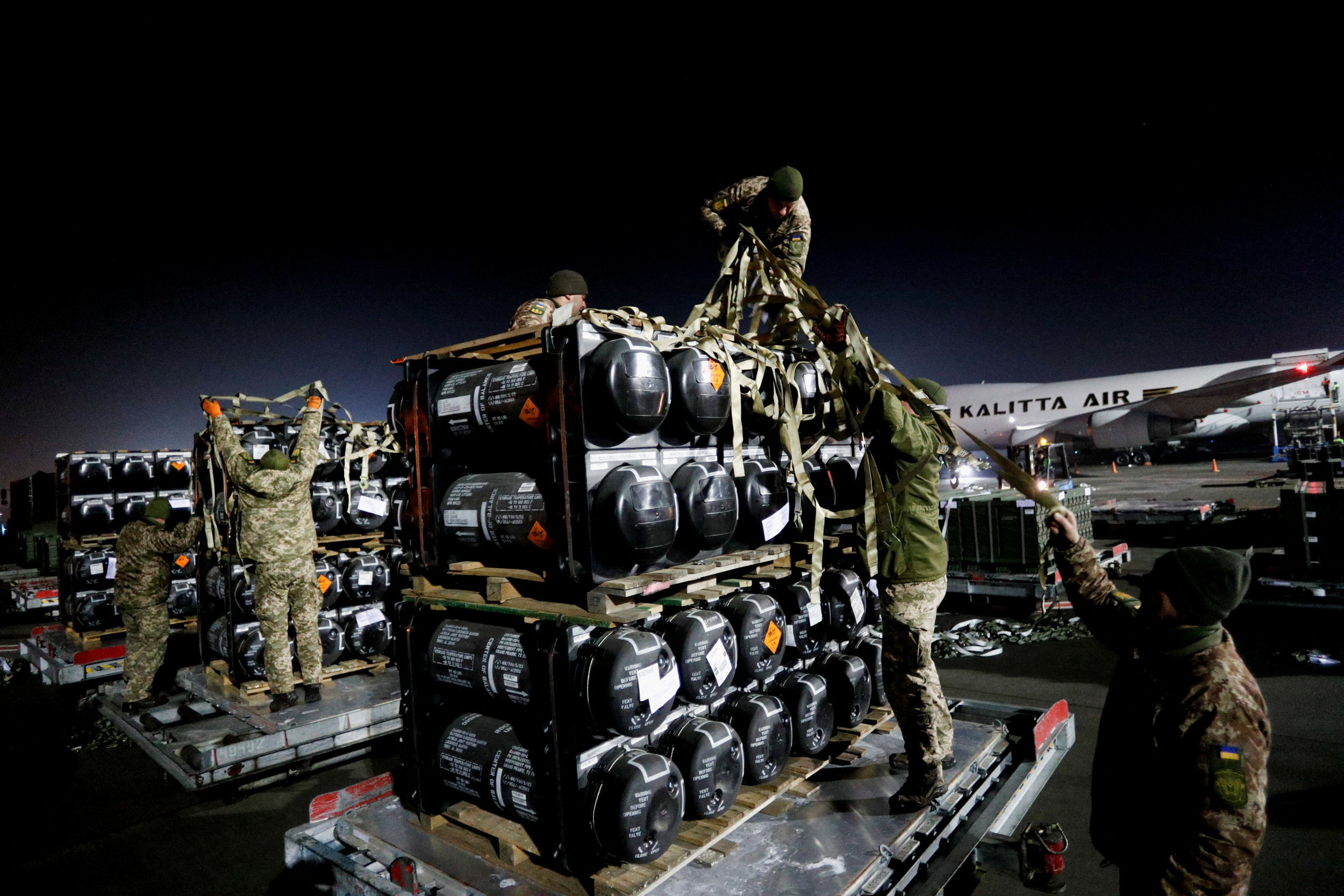
What’s going on now: First reported by The Washington Post, the Pentagon is actively considering diverting certain weapons originally intended for Ukraine to support US operations and allies in the Middle East. The equipment under review reportedly includes high-demand air defense interceptor missiles (such as those used in Patriot and THAAD systems) that are currently funded through NATO’s Prioritized Ukraine Requirements List (PURL) program. This initiative allows allied countries to purchase US-made weapons for Kyiv and has served as a key pipeline for advanced systems even as direct US aid has slowed. While no final decision has been made, officials acknowledge this is a real possibility.
The possibility of diversion has triggered concern among European allies and Ukrainian officials, particularly because these same air defense systems are critical for protecting Ukraine’s cities and infrastructure from ongoing Russian missile and drone attacks. European diplomats have warned that the US is “really burning through munitions,” raising doubts about how long Washington can sustain both theaters.
Ukraine, for its part, has responded cautiously but with clear concern. Ukrainian Ambassador to the US Olga Stefanishyna acknowledged a “period of considerable uncertainty,” while stressing that Kyiv remains in close coordination with its partners regarding urgent needs, especially air defense systems.
President Volodymyr Zelenskyy has been more blunt, warning that under no circumstances can Ukraine afford disruptions in air defense supplies.
Related posts:
 Updates From Middle East
 Annual US Threat Assessment Says Russia Has ‘Upper Hand’ in Ukraine, Circumvents Sanctions via China & BRICS Nations
 US Pauses Delivery of Some Aid to Ukraine Over Stockpile Concerns, Ukrainian Officials & Notable US Lawmakers Raise Alarms
 Iran Rules out Talks with US Until Trump Drops “Maximum Pressure” Campaign