Already a subscriber? Make sure to log into your account before viewing this content. You can access your account by hitting the “login” button on the top right corner. Still unable to see the content after signing in? Make sure your card on file is up-to-date.
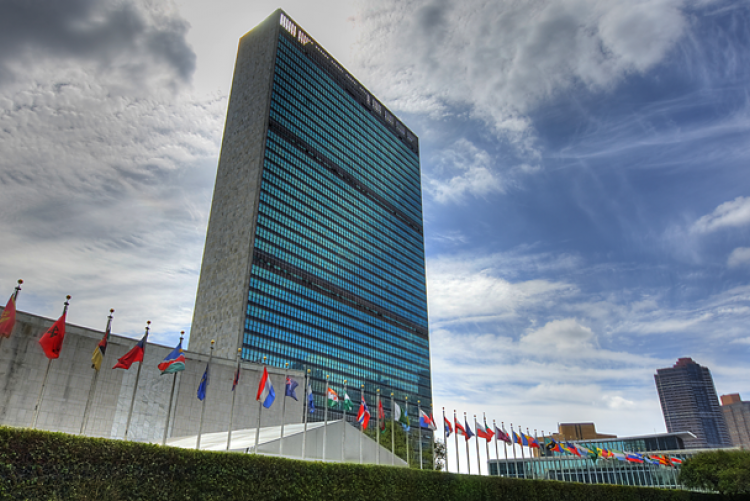
The United States, Argentina, and Israel have voted against a United Nations resolution declaring the transatlantic slave trade the gravest crime against humanity.
Some shit you should know before you dig in: If you’re unaware, the transatlantic slave trade was a slave system that took place roughly between the 15th and 19th centuries, in which European powers captured and transported an estimated 12 to 15 million Africans across the Atlantic Ocean to the Americas. Enslaved people were taken from West and Central Africa, often through violent raids or by being sold by intermediaries, and then packed onto ships under brutal conditions during the Middle Passage, where millions died from disease, starvation, and abuse. Those who survived were sold in the Americas as property, with prices varying over time and place but often ranging from the equivalent of a few hundred to over a thousand dollars in today’s value depending on age, health, and skills. The system lasted for about 400 years before being fully abolished by the mid-19th century.

What’s going on now: The vote, which ultimately passed in the United Nations General Assembly, was centered on a measure led by Ghana that aimed to formally recognize the transatlantic slave trade as the “gravest crime against humanity” and encourage countries to acknowledge its lasting global impact, including through apologies and discussions of reparations. It received strong international backing, passing with 123 countries voting in favor. Meanwhile, 52 countries chose to abstain, including many European nations due to hesitation or disagreement with aspects of the proposal without outright opposing it. Only three countries voted against the measure: the United States, Argentina, and Israel.
Officials from the United States explained their opposition by arguing that the resolution was “highly problematic,” particularly objecting to what they described as an attempt to rank crimes against humanity in a hierarchy.
US representatives also rejected the implication that there is a legal right to reparations for historical actions that were not illegal under international law at the time, framing this as a key reason for voting against the measure.
Related posts:
 Updates From Middle East
 A Deep Dive: Influencers and “Independent” Journalists on Both Sides Being Paid to Advance Political Talking Points
 Annual US Threat Assessment Says Russia Has ‘Upper Hand’ in Ukraine, Circumvents Sanctions via China & BRICS Nations
 Top US Official Demands Key Allies Deploy Naval Assets to Help Escort Ships in Strait of Hormuz; Allies Drag Their Feet