Already a subscriber? Make sure to log into your account before viewing this content. You can access your account by hitting the “login” button on the top right corner. Still unable to see the content after signing in? Make sure your card on file is up-to-date.
Iran is allowing select vessels from countries deemed “friendly” to pass through the Strait of Hormuz while restricting access to those it considers adversaries.
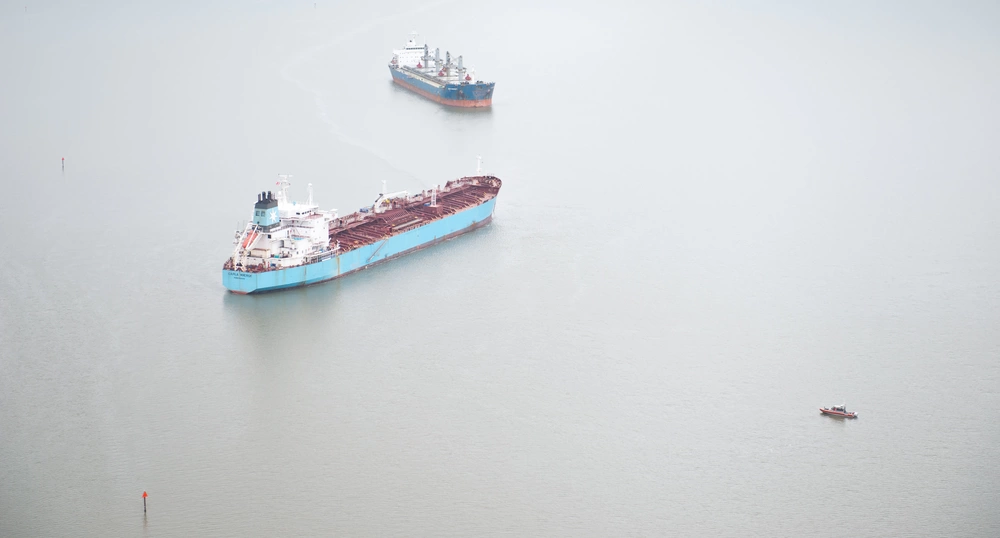
Some shit you should know before you dig in: If you’re unaware, the Strait of Hormuz is one of the most vital maritime chokepoints in the world. Located between the Persian Gulf and the Gulf of Oman, this narrow waterway, which is only about 21 miles wide at its narrowest point, handles roughly 20% of the world’s petroleum and about a third of all seaborne oil shipments. Every day, roughly 100 oil tankers and merchant vessels pass through it, transporting crude oil from major producers like Saudi Arabia, Iraq, the UAE, and Kuwait to markets in Asia, Europe, and beyond. In the initial weeks of the conflict with Iran, vessels stopped transiting the strait over concerns that they could become “legitimate targets” for Iran. Over the last few weeks, multiple tankers have been targeted, with some hit by Iranian one-way attack drones.

What’s going on now: In a notable development, Iran has begun allowing limited transit through the Strait of Hormuz for vessels tied to countries it considers “friendly,” including China, India, Pakistan, Malaysia, and Iraq. These ships are being directed along tightly controlled routes that hug Iran’s territorial waters instead of typical international lanes, with movement occurring in areas where Iranian military and port authorities maintain direct oversight. In some cases, ships have had to submit advance clearance details tied to their voyage and affiliations, and reports indicate that passage may involve negotiated fees.
Iranian officials have made clear that this is not a full reopening of the strait, but rather a selective system. Foreign Minister Abbas Araghchi stated that the waterway remains open to countries that are not considered hostile, stressing that ships belonging to Iran’s adversaries are still barred. He added that nations seeking safe passage must coordinate directly with the Iranian government to arrange transit, framing the process as cooperative rather than restrictive.
This all comes as officials from countries like India and Iraq have confirmed that direct engagement with Iran has already enabled some of their tankers to pass through the strait.
Iranian lawmakers have hinted that they are preparing to formalize a system that will allow tankers to pass through, which would include new regulations, registration requirements, and even transit fees.