Already a subscriber? Make sure to log into your account before viewing this content. You can access your account by hitting the “login” button on the top right corner. Still unable to see the content after signing in? Make sure your card on file is up-to-date.
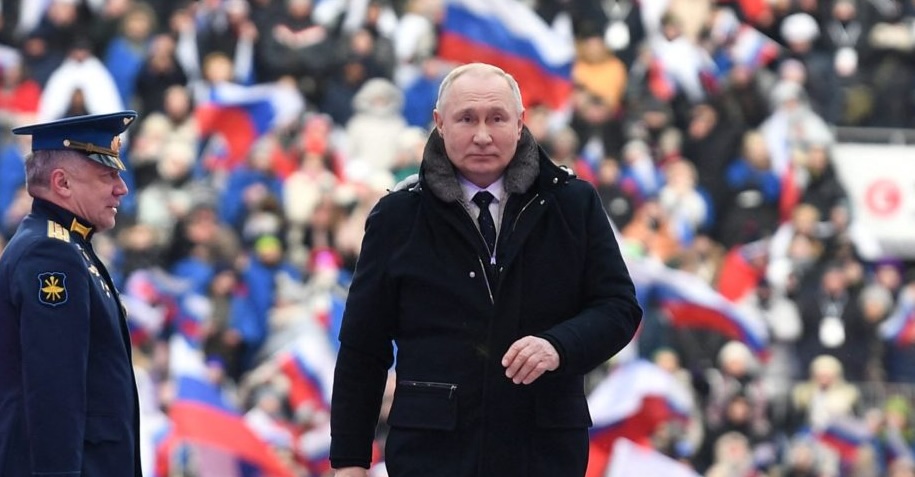
Russian President Vladimir Putin has announced that Russia is prepared to resume supplying oil and gas to European countries under long-term agreements amid an energy crisis triggered by the ongoing conflict with Iran.
Some shit you should know before you dig in: If you’re unaware, Russia has faced international sanctions following its 2022 invasion of Ukraine that significantly disrupted its oil and gas markets. Western governments (including the EU, US, and others) imposed sweeping restrictions on Russian energy exports, while many countries halted or gradually phased out purchases of Russian oil and gas in an effort to reduce funding for Moscow’s war economy. As major European buyers withdrew, Russia was forced to redirect exports to markets in Asia, often selling crude at steep discounts to remain competitive and attract new buyers. The loss of lucrative European customers and the pressure of sanctions have also strained major Russian energy firms such as Gazprom and Rosneft, which have seen declining revenues, mass layoffs, and mounting debt.

What’s going on now: In a notable development, Russian President Vladimir Putin signaled that he is prepared to restore energy trade with Europe if European buyers are willing to commit to stable, long-term partnerships. Speaking during a televised meeting with government officials and leaders of major energy companies, Putin said Russia had never ruled out renewed cooperation with European customers. “If European companies and European buyers suddenly decide to reorient themselves and provide us with long-term, sustainable cooperation, free from political pressures … then go ahead. We’venever refused,” he said, adding that Russia is “ready to work with Europeans too,” but would need clear signals that the relationship would be stable and politically independent.
Putin made the remarks as global oil prices surged past $100 per barrel amid disruptions to shipping through the Strait of Hormuz during the Middle East conflict. The price spike has created an unexpected opportunity for Russian energy exports, and Putin urged domestic oil and gas companies to take advantage of the moment. While acknowledging that the surge in prices is likely temporary, he encouraged producers to capitalize on the increased revenue. Putin also said that Russian energy firms should use the additional export earnings to strengthen their finances and reduce debt burdens owed to Russian banks.
This all comes as European officials have so far shown little appetite for reversing sanctions, though some leaders have raised concerns about rising energy costs. Hungarian Prime Minister Viktor Orbán urged the European Union to consider suspending restrictions on Russian oil and gas imports in order to counter soaring prices caused by the Middle East conflict. Despite this, EU policymakers have broadly maintained their position that the bloc will continue phasing out Russian energy despite the recent surge in global energy prices.
Related posts:
 Putin Says Russia is Ready to Sell More Oil to India, Criticizes US for Pressuring India to Stop Purchasing Russian Oil
 Updates From Middle East
 Annual US Threat Assessment Says Russia Has ‘Upper Hand’ in Ukraine, Circumvents Sanctions via China & BRICS Nations
 Hungary Tells Trump They Can’t Stop Buying Russian Oil, Cites Economic Pain It Will Cause; Ukraine Ramps Up Strikes on Russian Oil Infrastructure