Already a subscriber? Make sure to log into your account before viewing this content. You can access your account by hitting the “login” button on the top right corner. Still unable to see the content after signing in? Make sure your card on file is up-to-date.
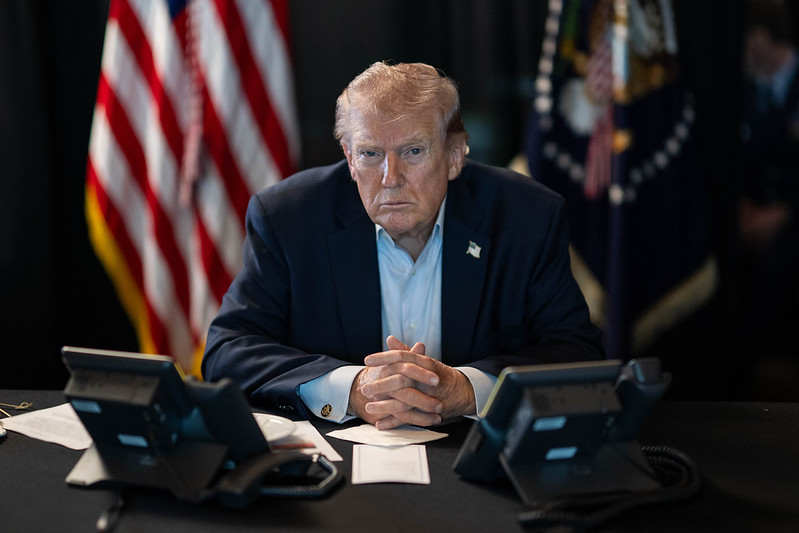
President Trump has said he supports the idea of Kurdish groups launching a ground offensive against Iran as reports emerge that the US and Israel may be backing opposition factions to increase pressure on the Iranian government.
Some shit you should know before you dig in: If you’re unaware, the Kurds are a large ethnic group of roughly 30–40 million people primarily living across northern Iraq, southeastern Turkey, northern Syria, and western Iran, often referred to collectively as Kurdistan. Most Kurds are Sunni Muslims, but there are also Shia Kurds, Yazidis, Christians, and other minority faiths within the population. Turkey considers Kurdish groups, particularly the PKK, to be terrorist organizations. At the same time, Kurdish forces have been a key US partner in the fight against ISIS, helping capture territory, provide intelligence, and conduct ground operations alongside American airpower.

What’s going on now: During an interview with Reuters, President Trump said he would welcome a Kurdish offensive against Iran if such a movement were to materialize. “I think it’s wonderful that they want to do that, I’d be all for it,” Trump said when asked about the prospect of Kurdish groups rising up against the Iranian government. He also avoided saying whether the US would play a direct military role in such an effort, declining to outline whether US forces might provide assistance like air cover if Kurdish fighters crossed into Iran.
The remarks come as multiple media reports suggest that Kurdish Iranian factions based in northern Iraq are preparing for a possible cross-border offensive into Iran. US and Israeli officials have reportedly discussed ways to support these groups as part of broader efforts to increase pressure on Tehran amid the ongoing conflict. Some officials claim intelligence services, including the CIA and Israel’s Mossad, have been in contact with Kurdish opposition factions, with the goal of helping them seize territory in Iran’s Kurdish regions and potentially spark wider unrest against the Iranian government.
According to those reports, Israeli Prime Minister Benjamin Netanyahu’s government initially pushed the idea of backing Kurdish fighters as a potential ground force while US and Israeli airstrikes continue to target Iranian military infrastructure. The strategy, officials say, would combine external military pressure with internal instability to challenge the ruling regime. The White House has publicly denied that Trump approved a formal plan to arm Kurdish militias, though it confirmed the president has spoken with Kurdish leaders in Iraq about the broader regional situation.
This all comes as Iran has responded aggressively to the reports, launching missile and drone strikes against Kurdish opposition bases in Iraq’s semi-autonomous Kurdistan region. Iranian officials said the strikes targeted “separatist groups” they accused of preparing to infiltrate Iran’s western borders.
Related posts:
 Updates From Middle East
 Iran Rules out Talks with US Until Trump Drops “Maximum Pressure” Campaign
 A Deep Dive: Influencers and “Independent” Journalists on Both Sides Being Paid to Advance Political Talking Points
 Trump Says Iran is Possibly Open to Direct Talks with the US over Nuclear Program, Russia Criticizes US Over Threats to Bomb Iran