Already a subscriber? Make sure to log into your account before viewing this content. You can access your account by hitting the “login” button on the top right corner. Still unable to see the content after signing in? Make sure your card on file is up-to-date.
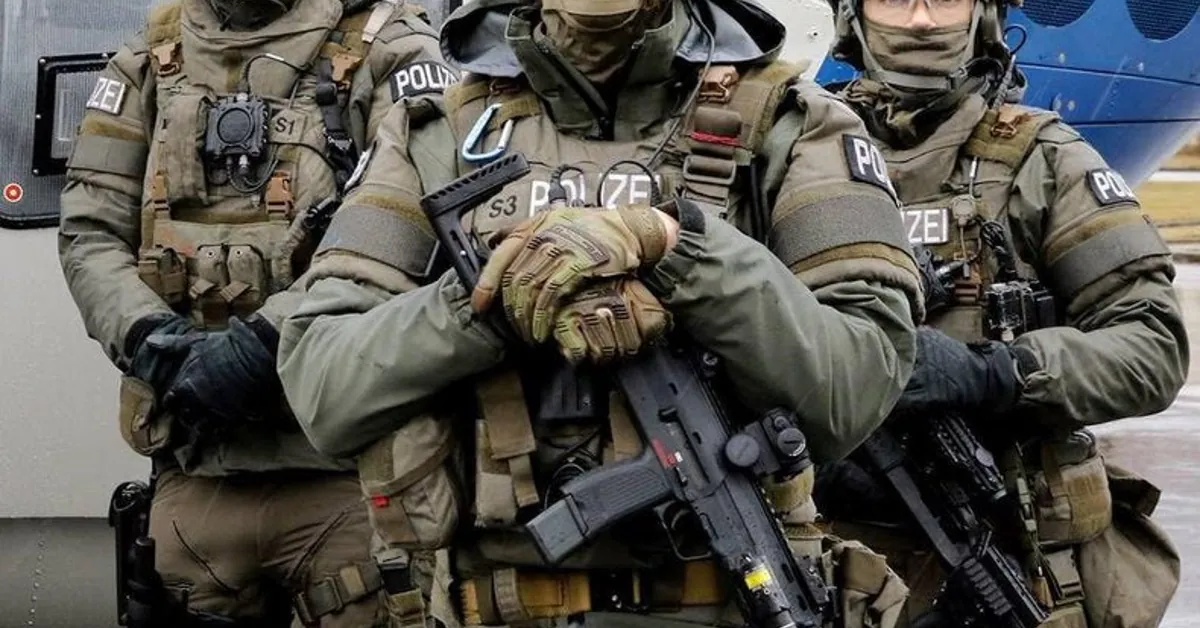
German officials have warned that Iran may activate proxy groups and sleeper cells across Europe in retaliation for the killing of its Supreme Leader.
Getting into it: During an interview with the Süddeutsche Zeitung, Marc Henrichmann, a member of Germany’s Parliamentary Control Committee overseeing intelligence services, warned that “the escalation in the Middle East doesn’t just affect the region itself,” adding that “the Iranian regime has repeatedly demonstrated in the past that it carries out its terror beyond its own borders.” He warned that “Iranian sleeper cells in Europe cannot be ruled out” and stressed that “vigilance is the order of the day,” particularly for Jewish, Israeli, and American institutions that have historically been targets of Tehran-linked threats.
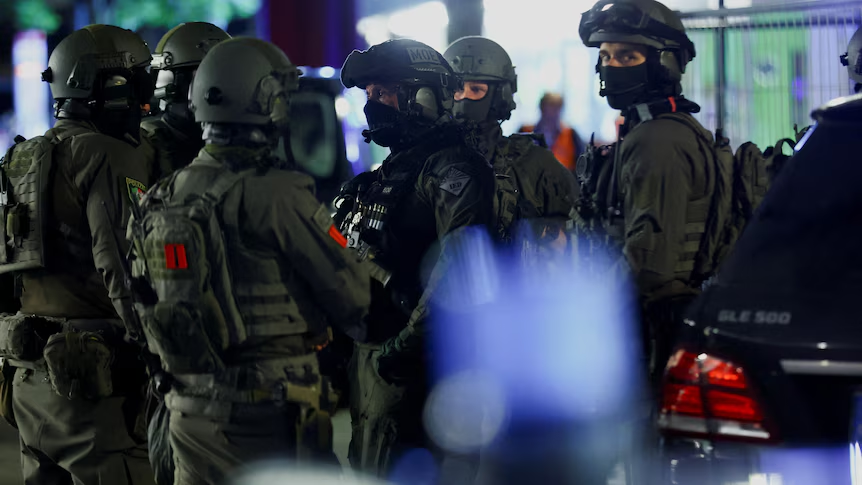
Chancellor Friedrich Merz also chimed in, saying, “At the moment, there is no evidence to suggest that we should assume a very high level of danger.” However, he added, “We are keeping a close eye on the overall situation through our intelligence services and police forces,” noting that Iranian intelligence services have long been active in Europe. Merz stressed that security for Jewish, Israeli, and American institutions would be a priority, declaring that Germany “will not tolerate anti-Semitic or anti-American attacks on German soil.”
This all comes after two incidents in North America intensified fears of potential Iran-linked retaliation. In Austin, Texas, 53-year-old Ndiaga Diagne allegedly opened fire at a bar, killing two people and injuring around 14 others before being shot by police. Investigators later found clothing with Islamic references, an Iranian flag emblem, and pictures of Iranian leaders.
Separately, in Canada, gunfire hit a boxing gym owned by Iranian-Canadian dissident Salar Gholami just hours after the Supreme Leader’s death was announced. Seventeen rounds were fired into the building, in what Gholami described as intimidation against critics of the Iranian government.
Related posts:
 Updates From Middle East
 A Deep Dive: Influencers and “Independent” Journalists on Both Sides Being Paid to Advance Political Talking Points
 Annual US Threat Assessment Says Russia Has ‘Upper Hand’ in Ukraine, Circumvents Sanctions via China & BRICS Nations
 Top German Official Urges EU to Build Its Own Intel Network After US Cuts Ukraine Off