Already a subscriber? Make sure to log into your account before viewing this content. You can access your account by hitting the “login” button on the top right corner. Still unable to see the content after signing in? Make sure your card on file is up-to-date.
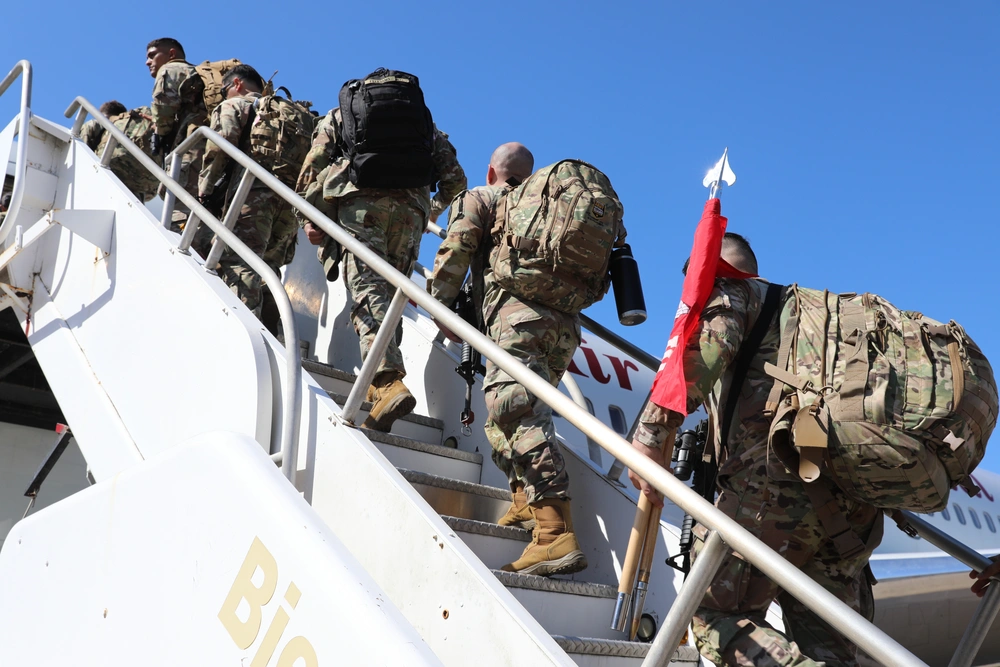
Roughly 100 US military personnel have arrived in Nigeria to train and advise local forces in combating terrorist groups wreaking havoc across the country’s northern regions.
Some shit you should know before you dig in: If you’re unaware, Nigeria has continued to face a worsening terrorist crisis driven by a network of Islamist insurgent and criminal groups operating primarily in the north and across the wider Sahel region. The main players, Boko Haram and its breakaway faction, Islamic State West Africa Province (ISWAP), have carried out suicide bombings, village raids, kidnappings, and attacks on military bases for over a decade, killing tens of thousands. In addition to this, heavily armed “bandit” groups specializing in mass abductions and ransom operations regularly storm rural communities. The threat has further expanded with the spillover of Sahel-based jihadist groups like Jama’at Nusrat al-Islam wal-Muslimin, which move easily across porous borders linking Nigeria to Niger, Mali, and Burkina Faso.

What’s going on now: In a notable development, Nigerian defense spokesman Samaila Uba confirmed that roughly 100 US military personnel have arrived in northern Nigeria as the first wave of what is expected to become a deployment of about 200 troops. The contingent includes intelligence analysts, advisers, and trainers, with additional personnel expected to rotate in over the coming weeks. According to Nigerian officials, the deployment was made at their request as part of expanded security cooperation between the two countries.
Both governments have emphasized that the American troops will not take part in direct combat operations. Instead, they are tasked with providing technical support, intelligence sharing, operational planning assistance, and specialized training to Nigerian forces. Uba stressed that Nigerian forces retain full command authority and will lead all missions on sovereign territory, while US personnel operate primarily from command posts and advisory positions. Early activities include helping establish secure communications, strengthening intelligence coordination, and improving mission planning capabilities for counterterrorism operations.
The deployment comes after months of diplomatic friction between the US and Nigeria. President Donald Trump had publicly criticized Nigeria’s government, accusing it of failing to protect Christians from terrorists and at one point threatening stronger action if the government failed to “handle it.” In December, US forces conducted airstrikes against ISIS positions in northwest Nigeria, coordinating with Nigerian authorities.
More to come.
Related posts:
 Updates From Middle East
 US Designates Nigeria as Country “of Particular Concern” Over Persecution of Christians; Trump Blames “Radical Islamists”
 Nigerian Air Force Bombs The Shit Out of Terrorists Affiliated with ISIS, Kills 35
 Nigeria Pushes Back on Trump’s Statements About Christian Persecution in the Country