Already a subscriber? Make sure to log into your account before viewing this content. You can access your account by hitting the “login” button on the top right corner. Still unable to see the content after signing in? Make sure your card on file is up-to-date.
President Donald Trump has confirmed that the United States is advancing high-level talks with Cuba while the impacts from a US oil blockade continue to cause significant disruption across the island’s economy and daily life.
Some shit you should know before you dig in: If you haven’t been following along, Cuba is pretty fucked right now after the United States cut off all Venezuelan oil shipments to the island. You may remember that shortly after the US removed Maduro, Trump announced that no more Venezuelan oil would be going to Cuba. That forced Cuba to rely on its second-largest oil supplier, Mexico, to fill the gap. Last month, Mexico halted oil shipments to Cuba after President Trump threatened to impose tariffs on any country providing oil to Cuba. Between Venezuela and Mexico, both countries accounted for roughly 85% of Cuba’s oil supply. Trump has said that the oil cutoff would remain intact until Cuban officials make a “deal” with him.

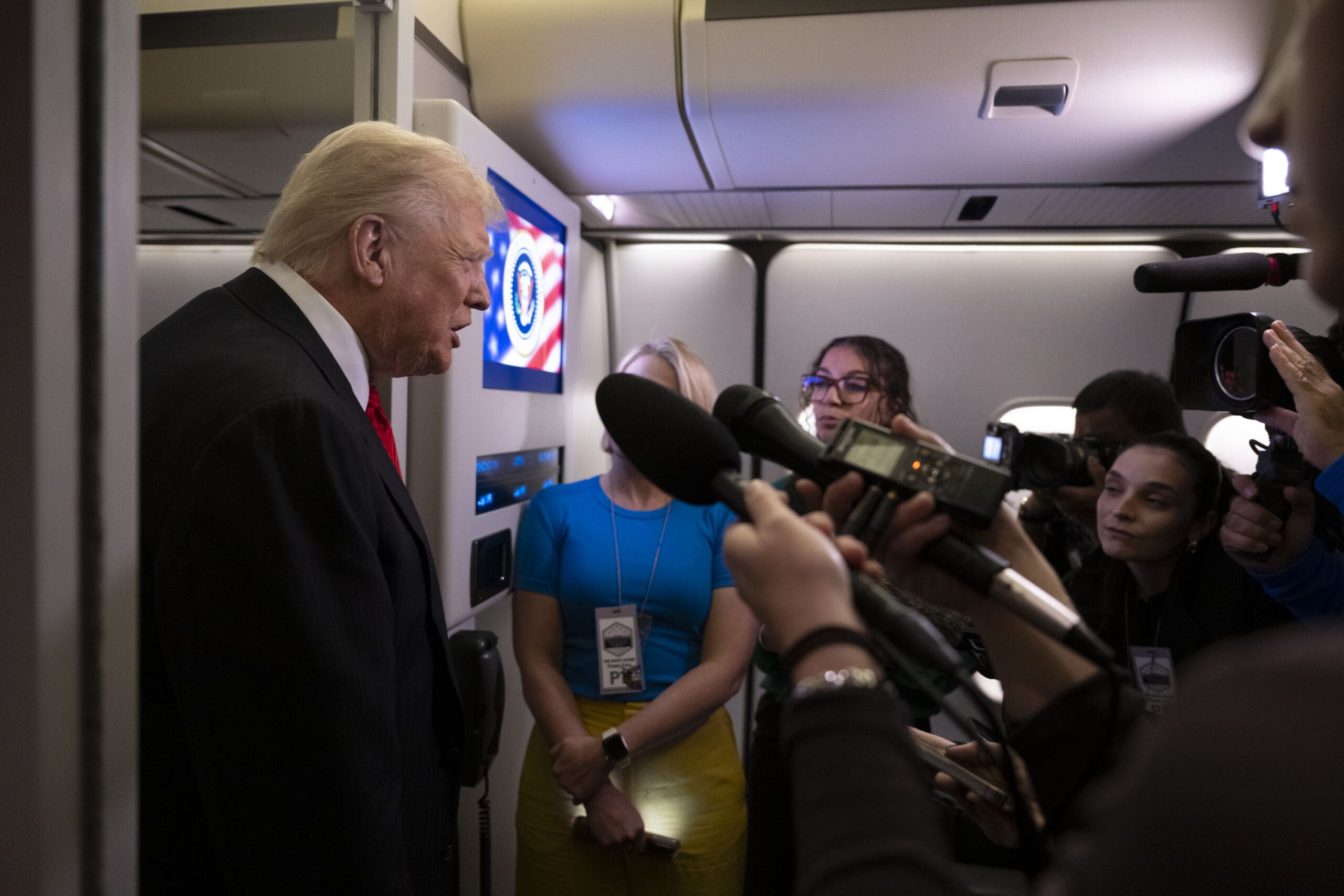
What’s going on now: While speaking to reporters aboard Air Force One, President Donald Trump said the United States is actively engaged in negotiations with Cuba even as his administration maintains the oil cutoff squeezing the island.“We’re talking to Cuba right now, and Marco Rubio [is] talking to Cuba right now, and they should absolutely make a deal, because it’s really a humanitarian threat,” Trump said. He added that Cuba is “right now a failed nation” and said the country doesn’t “even have jet fuel to get for airplanes to take off…In the meantime, there’s an embargo. There’s no oil, there’s no money, there’s no anything.” While Trump stopped short of openly calling for regime change, he suggested that if stronger action were ever considered (like what the US did to Maduro), “it wouldn’t be a very tough operation.”
Secretary of State Marco Rubio, who is leading discussions with Cuban officials, has indicated that any easing of US pressure would likely hinge on structural economic reforms. Speaking recently, Rubio said that Cubans need “more freedom, not just political freedom but economic freedom,” arguing that the government’s tight control over key sectors has driven the collapse.
Meanwhile, Cuba’s government has condemned the United States strategy. President Miguel Díaz-Canel has accused the US of attempting to “strangle the Cuban economy,” rejecting what he described as coercive measures and blaming the blockade for worsening shortages across the island. Cuban officials have signaled openness to dialogue but insist they will not negotiate away their political system, even as essential services are rationed and fuel supplies are prioritized for critical sectors.
On the ground, the impact is increasingly visible in daily life and the broader economy. Prolonged blackouts, suspended flights due to jet fuel shortages, and disruptions to transportation and medical services have led to significant public frustration. Tourism, a crucial source of foreign currency, has taken a hit, and the blockade recently led to the cancellation of the annual Havana cigar festival, a major economic driver for Cuba.
Related posts:
 Top Cuban Official Accuses US of trying to “Suffocate” Cuba’s Economy
China Condemns US Pressure on Cuba; Mexico Withholds Oil After Trump Cuts Off Venezuelan Shipments
Top Cuban Official Accuses US of trying to “Suffocate” Cuba’s Economy
China Condemns US Pressure on Cuba; Mexico Withholds Oil After Trump Cuts Off Venezuelan Shipments
 US Imposes New Sanctions on Cuba, Officially Sanctions Cuban President Over 2021 Anti-Government Protests
 Multiple Airlines Pulling / Rerouting Flights to Cuba Amid Fuel Shortages