Already a subscriber? Make sure to log into your account before viewing this content. You can access your account by hitting the “login” button on the top right corner. Still unable to see the content after signing in? Make sure your card on file is up-to-date.
Japan has announced the seizure of a Chinese fishing vessel and the arrest of its captain after the boat allegedly fled an inspection within Japan’s exclusive economic zone.
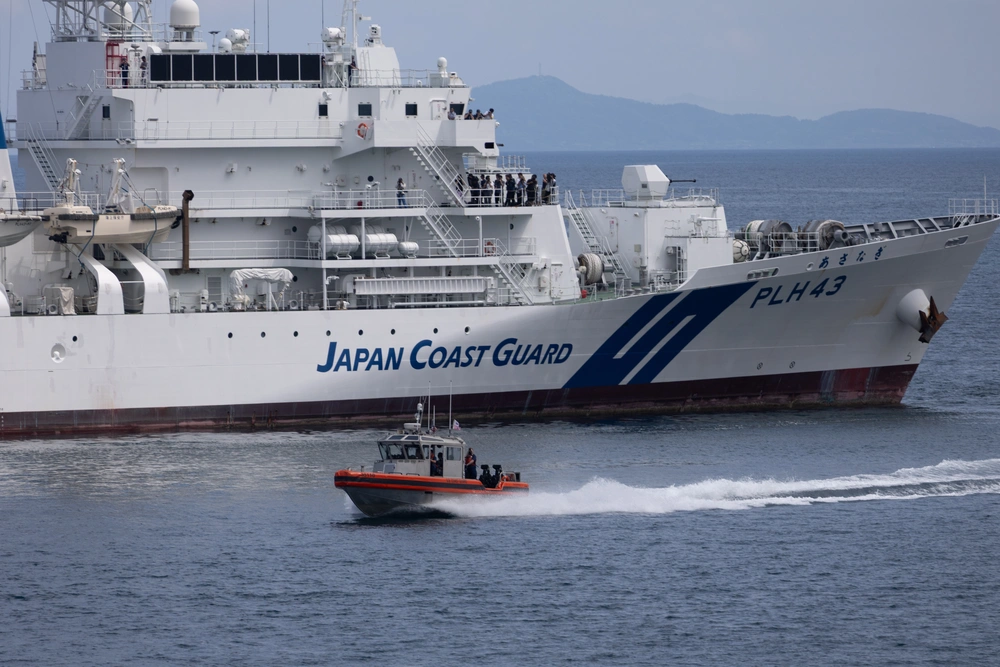
Getting into it: The incident unfolded on Thursday when Japan’s Fisheries Agency spotted a Chinese fishing vessel operating roughly 90 miles off Nagasaki Prefecture, within Japan’s exclusive economic zone (EEZ). According to officials, a fisheries inspector ordered the boat to stop for an onboard inspection, but the vessel failed to comply and attempted to flee. A Japanese patrol vessel pursued and ultimately intercepted the boat later that day, leading to the arrest of its 47-year-old Chinese captain on suspicion of attempting to evade inspection. Ten additional crew members were on board at the time.

Authorities described the vessel as a high-capacity “tiger net” fishing boat capable of catching large quantities of fish. Japanese officials believe the boat may have entered the EEZ to conduct illegal fishing.
The seizure is particularly notable because it marks the first time since 2022 that Japan has taken action against a Chinese fishing vessel in its waters, although boats from other neighboring countries have been detained more recently. Maritime enforcement in the area is highly sensitive, as Japan and China have a long-running dispute over nearby waters and the Senkaku Islands (known as the Diaoyu Islands in China), which are surrounded by rich fishing grounds. Past confrontations involving fishing boats in the area have escalated into diplomatic flashpoints, and illegal fishing has repeatedly fueled tensions between the two governments.
As of now, China’s Foreign Ministry has not issued an immediate response to the seizure. In similar past incidents, China has called on Japan to respect bilateral fisheries agreements.
Related posts:
 Updates From Middle East
 Tensions Between China & Japan Kick up Over Disputed Island
 US to Overhaul Military Command in Japan Amid Chinese Threats; Chinese State Media Warns Move Puts Japan at Risk of a “Nuclear Conflict”
 Annual US Threat Assessment Again Identifies China as Largest Threat to US National Security, Warns of Growing Military Power