Already a subscriber? Make sure to log into your account before viewing this content. You can access your account by hitting the “login” button on the top right corner. Still unable to see the content after signing in? Make sure your card on file is up-to-date.
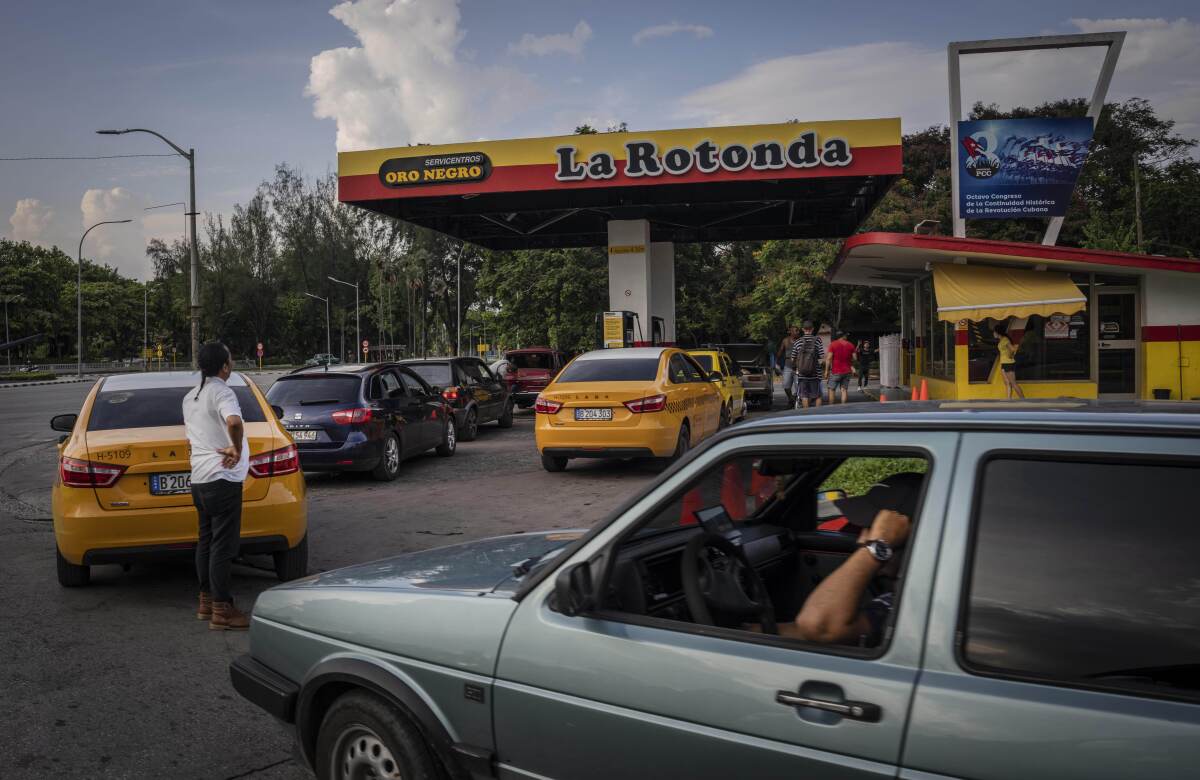
The Cuban government has announced plans to implement a strategy to combat worsening fuel shortages triggered by tightened US sanctions and disrupted oil imports.
Some shit you should know before you dig in: To keep it blunt, Cuba is pretty fucked right now after the United States cut off all Venezuelan oil shipments to the island. You may remember that shortly after the US removed Maduro, Trump announced that no more Venezuelan oil would be going to Cuba. That forced Cuba to rely on its second-largest oil supplier, Mexico, to fill the gap. Earlier this week, Mexico delayed its first oil shipment to Cuba and has indicated it will delay additional shipments to avoid tariffs. Attached below is a graph showing where Cuba’s oil imports come from, with Mexico and Venezuela together supplying about 85% of the island’s energy.

What’s going on now: In a notable development, President Miguel Díaz-Canel said Cuba would roll out a national contingency plan within a week to manage escalating fuel shortages in the country. In a two-hour nationally televised press conference, he warned that the situation is “complex” and explained that some of the measures will be “restrictive, requiring us to adjust consumption and promote savings.” According to the president, the government will prioritize energy use for vital services like hospitals, schools, elderly care centers, and rural areas.
He added that “Cuba has the right to receive sea-bound deliveries of fuel,” and vowed to “take all necessary steps to ensure that the country can once again receive fuel imports.”
President Díaz-Canel also took aim at US policy, calling it “aggressive and criminal,” and said the sanctions are directly harming transportation, food production, schools, hospitals, and tourism.
This all comes as Cuban officials say the situation has pushed the country to lean more heavily into renewable energy, particularly solar, in an effort to protect its energy independence. Over the past few years, Cuba has received solar panels from China as part of an effort to ease pressure on its fragile power grid, which has faced chronic issues for decades. As of now, China has not indicated whether it will send additional solar panels to Cuba, though it has vowed to provide “humanitarian assistance.”
Related posts:
 Top Cuban Official Accuses US of trying to “Suffocate” Cuba’s Economy
 Updates From Middle East
China Condemns US Pressure on Cuba; Mexico Withholds Oil After Trump Cuts Off Venezuelan Shipments
Updates From Middle East
China Condemns US Pressure on Cuba; Mexico Withholds Oil After Trump Cuts Off Venezuelan Shipments
 Top Cuban Official Denies Substantive Talks With the US After Trump Says Both Countries Are Engaged in Dialogue Amid Growing Tensions