Already a subscriber? Make sure to log into your account before viewing this content. You can access your account by hitting the “login” button on the top right corner. Still unable to see the content after signing in? Make sure your card on file is up-to-date.
China has vowed to take “all necessary measures” to safeguard its interests after Panama’s Supreme Court annulled a long-standing contract that allowed a Hong Kong-based company to operate key ports on both sides of the Panama Canal.
Some shit you should know before you dig in: Shortly after Trump returned to office, he increased pressure on Panama to cut China’s influence over the Panama Canal, warning that China’s presence at critical port terminals posed a direct threat to US national security. He publicly said that the US had “given the canal to Panama, not to China,“ and demanded that control be reasserted by American interests. In response, Panama initially pushed back, arguing that it retained sovereignty over the canal and maintaining that operations remained under Panamanian control. However, amid mounting diplomatic pressure and scrutiny from US officials, Panama launched an official audit into the operations of the Chinese-run Panama Ports Company (PPC). The audit uncovered financial irregularities and tax issues, leading to a legal challenge that ultimately reached the country’s Supreme Court.

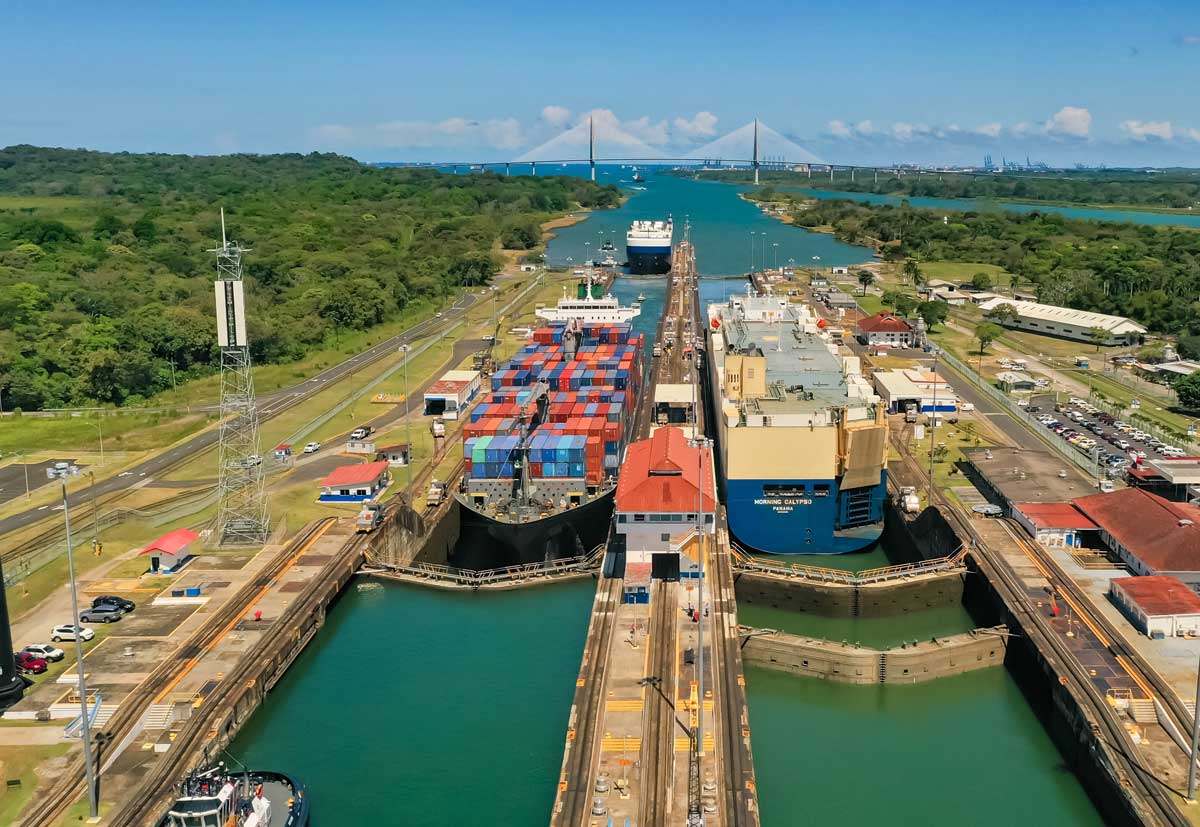
What’s going on now: In a notable development, Panama’s Supreme Court has ruled that the legal framework for the contracts allowing the Panama Ports Company (PPC), a subsidiary of Hong Kong-based CK Hutchison, to operate container ports at both ends of the Panama Canal is unconstitutional. The case centered on whether the original laws and subsequent acts that granted and renewed the port operating contracts complied with Panama’s constitution.
Panama’s government argued before the court that the concession was built on flawed legislation and that its 25-year renewal in 2021 violated constitutional requirements. Authorities pointed to findings from a state audit that alleged accounting irregularities, improper tax treatment, and contractual terms that significantly disadvantaged the Panamanian state. These issues, Panama said, justified canceling the contracts and restructuring how strategic port operations are legally granted.
PPC and its parent company, CK Hutchison, rejected those claims, insisting the contracts resulted from transparent international bidding and were lawfully executed.
Following the ruling, Panama’s president said port operations would continue without disruption, with transitional arrangements put in place while the government restructures the legal framework and prepares new tenders for the terminals.
China responded, with its foreign ministry stating that Beijing would take “all necessary measures” to protect the legitimate rights and interests of Chinese companies, signaling potential diplomatic or legal pushback, though without detailing specific next steps.
This all comes as BlackRock led a nearly $23 billion bid to acquire dozens of global port assets from CK Hutchison, including its locations in Panama. Before a deal could be finalized, the Chinese government intervened, expressing opposition to the sale, particularly of assets in politically sensitive regions like the Panama Canal. It’s unclear where the deal stands after the Supreme Court’s ruling.
Related posts:
 Panama Announces It Will No Longer Charge US Navy for Canal Use, Cuts Some Economic Ties with China
 Panama’s President Says ‘It’s Impossible’ To Negotiate on Panama Canal Ahead of Meeting with Secretary Rubio
 China Joins Russia in Criticizing Trump over Demands to Regain Control of Panama Canal
 Trump Administration Asks Pentagon to Develop Military Options if Panama Fails to Reduce Chinese Influence on Canal