Already a subscriber? Make sure to log into your account before viewing this content. You can access your account by hitting the “login” button on the top right corner. Still unable to see the content after signing in? Make sure your card on file is up-to-date.
Niger has officially announced a nationwide general mobilisation to combat jihadist insurgencies threatening the country’s national security.
Some shit you should know before you dig in: If you’re unaware, the Sahel region of Africa, including Niger, has become one of the world’s most volatile epicenters of terrorist activity, with multiple armed groups wreaking havoc across national borders. Extremist organizations such as al-Qaeda, ISIS, and Boko Haram have entrenched themselves in the region. These groups conduct frequent attacks on military outposts, civilian populations, and critical infrastructure, often employing tactics such as ambushes, bombings, mass abductions, and the forced recruitment of child soldiers. Their operations destabilize entire communities, disrupt food supplies, and displace millions, overwhelming local governments and regional forces. Shitty borders, limited centralized authority in remote areas, and minimal international oversight have allowed these terrorist networks to expand their reach.

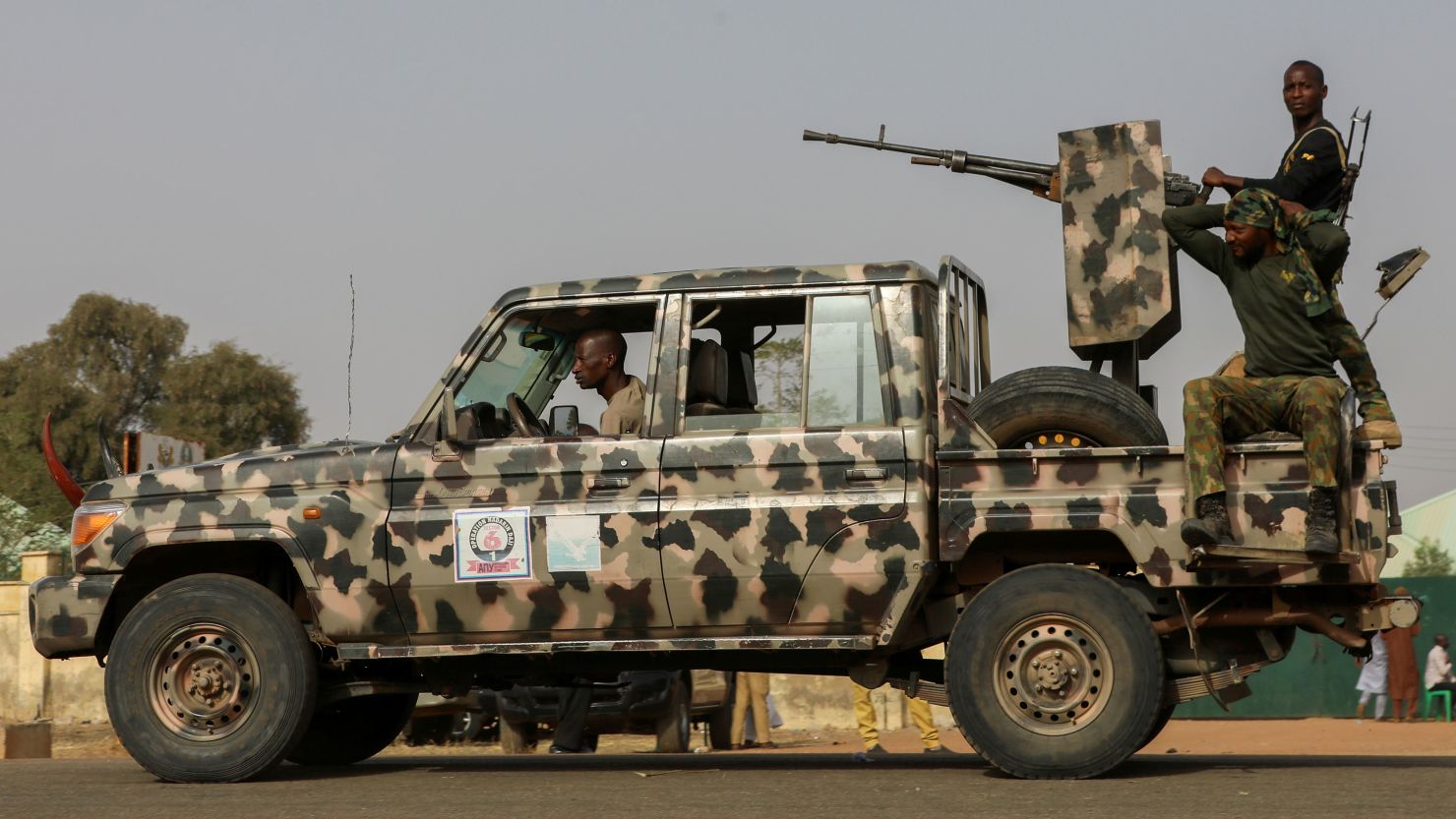
What’s going on now: In a notable development, Niger’s military-run government confirmed that it has adopted a general mobilisation policy, allowing the state to use citizens, property, and services for national defense. The move, ratified in a cabinet meeting and announced in a statement, is described as essential “to preserve the integrity of the national territory and protect the population.” Officials added that “every citizen is required to respond immediately to any call-up or recall order… and to submit to requisition.” The declaration not only grants broad wartime powers to the junta but also compels the public to directly contribute to the military effort, either through service or resources.
The government framed the mobilisation as a necessary response to an intensifying insurgency that has overwhelmed security forces across multiple fronts. The policy also builds on recent measures, including the expansion of the armed forces to 50,000 troops and the creation of a citizen-funded defense and agriculture fund launched in 2023, which urges individuals to make “voluntary” financial contributions to support the war effort.
This all comes amid a broader shift in the Sahel, where military-led governments in Mali and Burkina Faso have enacted similar emergency measures to confront the shared jihadist threat. In a show of regional solidarity, Niger, Mali, and Burkina Faso have established a joint anti-terror force composed of 5,000 troops, reflecting their intent to address the crisis without reliance on Western powers.
Related posts:
 Updates From Middle East
 A Deep Dive: Influencers and “Independent” Journalists on Both Sides Being Paid to Advance Political Talking Points
 Annual US Threat Assessment Says Russia Has ‘Upper Hand’ in Ukraine, Circumvents Sanctions via China & BRICS Nations
 US Begins Withdrawal from Niger Amid Growing Tensions