Already a subscriber? Make sure to log into your account before viewing this content. You can access your account by hitting the “login” button on the top right corner. Still unable to see the content after signing in? Make sure your card on file is up-to-date.
Venezuelan oil exports have tanked following the US seizure of an oil tanker last week.
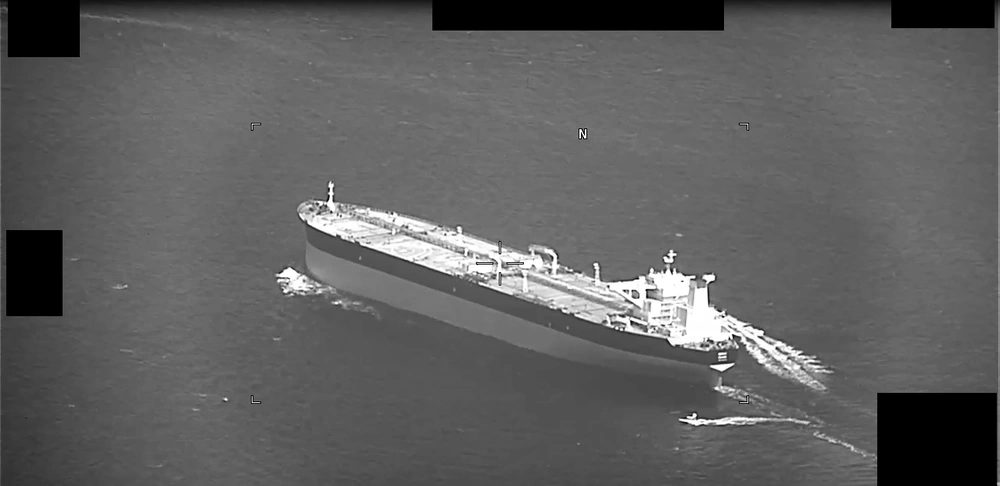
Some shit you should know before you dig in: Last week, the US ramped up pressure on Nicolás Maduro’s regime after seizing the Skipper, an oil tanker off Venezuela’s coast, marking the first confiscation of Venezuelan oil cargo since sanctions were first imposed in 2019. The vessel was intercepted under a US seizure warrant and later redirected to Houston, Texas, for unloading. US authorities justified the action as part of an expanded effort to disrupt illegal oil shipments that allegedly fund Maduro’s government and related criminal enterprises, including the so-called “Cartel of the Suns,” which the US has designated a narco-terrorist organization. The Trump administration claimed the seizure was aligned with its broader campaign against drug trafficking and illicit finance in Latin America. Venezuela condemned the seizure as “international piracy” and a “robbery,” accusing the US of violating international maritime law and vowing to file formal complaints with global institutions.

What’s going on now: According to data first reported by Reuters, Venezuela’s oil exports have plummeted since the US seized the Skipper tanker, with tanker movements in and out of Venezuelan waters grinding to a near halt. Roughly 11 million barrels of crude and fuel are now stranded on vessels anchored offshore, as operators are unable or unwilling to depart amid fears of further US interceptions. These tankers include some linked to entities already sanctioned by the US or flagged as targets for future enforcement. Since the seizure, only tankers chartered by Chevron, operating under a special US license through joint ventures with PDVSA, have successfully departed, delivering two cargoes of heavy crude to US ports.
Venezuela’s pre-seizure exports in November stood at about 952,000 barrels per day, with approximately 80 percent of those flows going to China, either directly or through complex rerouting to avoid sanctions. China remains Venezuela’s largest oil buyer, often receiving shipments via intermediaries that mask the crude’s origin, helping Maduro sustain vital revenue channels.
This all comes as there are growing indications that opportunistic buyers on the black market may seek to exploit the situation by purchasing Venezuelan oil at deep discounts. Some analysts have alluded that this could lead to an uptick in covert sales, using ship-to-ship transfers, falsified documentation, and altered vessel registrations to obscure the crude’s origin.