Already a subscriber? Make sure to log into your account before viewing this content. You can access your account by hitting the “login” button on the top right corner. Still unable to see the content after signing in? Make sure your card on file is up-to-date.
A US government agency has found no rise in lead levels in the area’s drinking water sources after the Army detonated nearly 5 tons of lead azide in Iowa, according to initial lab results released Saturday.
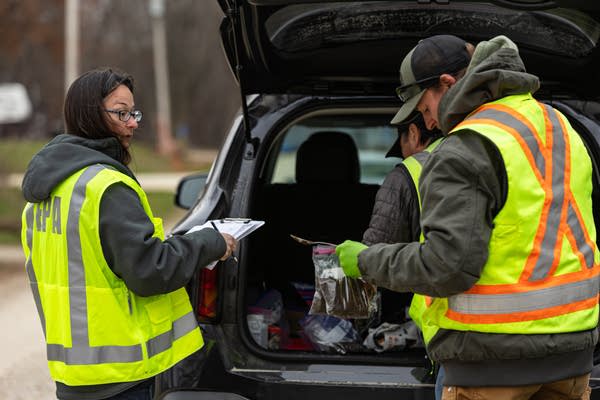
Getting into it: The EPA said 38 samples of treated and untreated drinking water taken after Wednesday’s blast at the Iowa Army Ammunition Plant in Middletown showed no signs of elevated lead. The agency also monitored the air for 30 straight hours after the detonation, and sent about 300 staff and contractors out Thursday to test homes, schools, churches and playgrounds around the area.

In all, the EPA is still waiting on results from more than 3,200 air, soil, dust and water samples taken before and after the blast. Independent experts have said the air numbers don’t tell you much, and that soil, water and surface tests will show whether lead actually spread, since lead stays in the ground and water indefinitely.
Residents remain divided as they wait for more data, with many still frustrated over how the Army handled the warning.
Speaking to NPR, Sue Dyer, a farmer about 18 miles southwest of the blast site, said “some people are sure that we’re absolutely fine, and some people think we’re absolutely dead. So put me somewhere in the middle until I have the data to make an opinion.”
This all comes as Gov.-elect Rob Sand has called for an investigation into how the lead azide was allowed to degrade to such a dangerous point, saying the lead-up to the blast “should never have been so chaotic and unclear.”
Related posts:
 Updates From Middle East
 Trump Threatens Tariffs on Mexico Over Failure to Fulfill Water Obligations for Texas
 A Deep Dive: Influencers and “Independent” Journalists on Both Sides Being Paid to Advance Political Talking Points
 Hegseth Orders Major Army Restructuring & Phase-Out of Older Equipment, Will Focus on China & Fielding New Equipment Like Drone Swarms