Already a subscriber? Make sure to log into your account before viewing this content. You can access your account by hitting the “login” button on the top right corner. Still unable to see the content after signing in? Make sure your card on file is up-to-date.
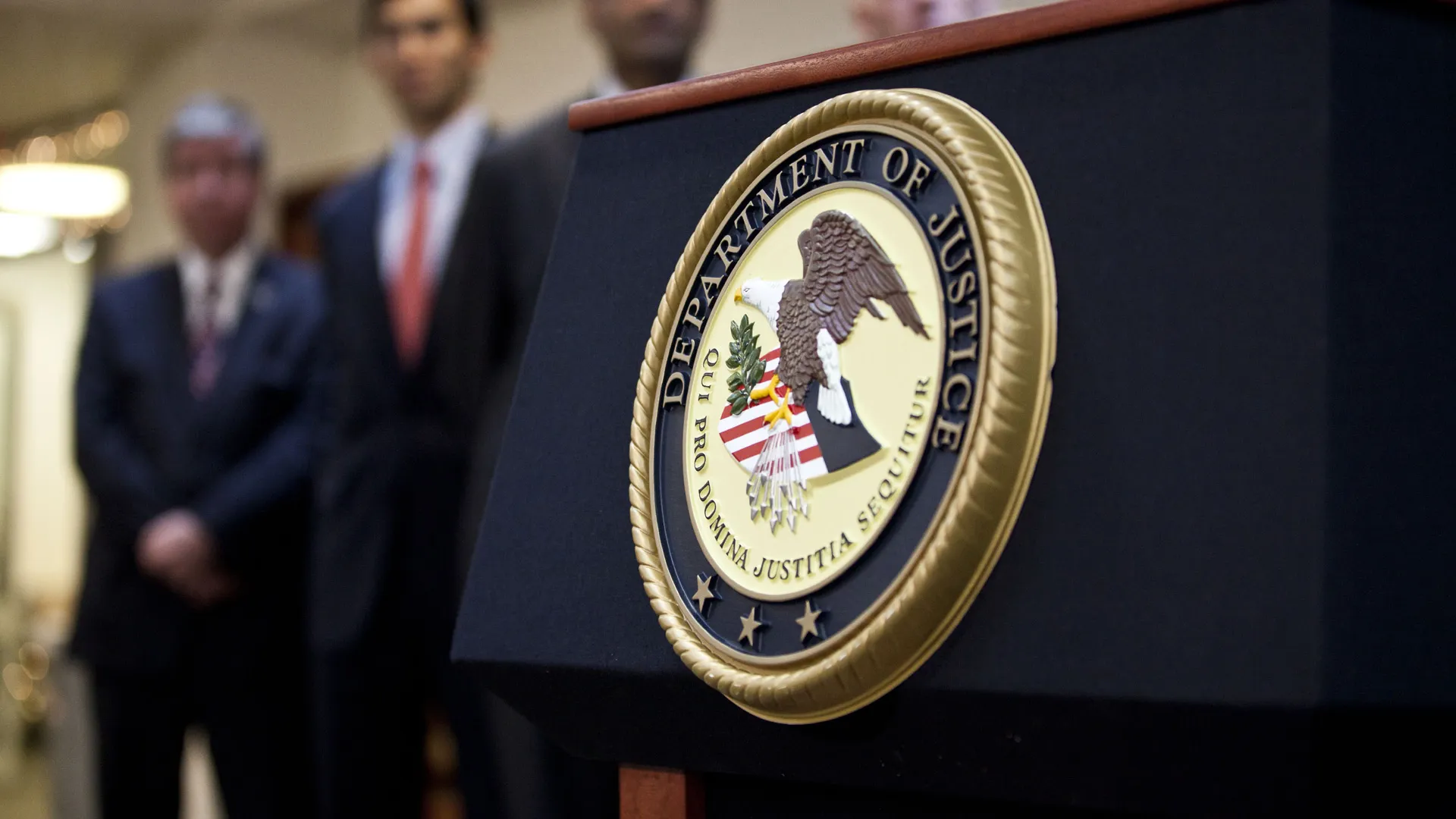
The Justice Department has directed federal agencies to “strive to operate solely in English” and cut foreign-language services that aren’t required by law.
Getting into it: The guidance, published in the Federal Register on Thursday, expands on President Trump’s March 2025 executive order making English the country’s official language. It tells agencies to use only English for official correspondence, regulations, public notices, forms, applications, websites, educational materials, internal communications and training, and even “super intelligence tools,” the administration’s new term for AI.
Agencies are told to quickly review all their multilingual programs and eliminate any that aren’t legally required or essential to what the agency does. Translations can continue for things like national security, immigration and law enforcement, disaster response, public health, health care, court proceedings and communications with crime victims, but agencies must use the cheapest option available, including machine translation, and label the English version as the official one.

Trump’s original order revoked a 2000 Clinton directive that pushed agencies to expand services for people who struggle with English, but it did not require them to drop existing translations.
Several agencies have already made changes, with the Department of Housing and Urban Development dropping non-English languages in August and Homeland Security, Education and Treasury pulling non-English content off their sites. Last week, the General Services Administration also shut down the Spanish-language version of USA.gov, which had been running since 2003.
The policy has drawn sharp reactions on both sides. Supporters, including the Trump administration, argue that making English the government’s default promotes national unity, builds a shared American culture, makes government operations more consistent and cuts the cost of translating materials, while encouraging immigrants to learn English as a path to civic participation.
Critics, including civil rights advocates and immigration policy experts, argue the cuts will hurt millions of people with limited English, from elderly immigrants to legal residents trying to access benefits, and could backfire on the government itself by making it harder for people to report crimes, pay taxes correctly or follow public safety guidance.
Related posts:
 Updates From Middle East
 Trump Signs Executive Order Requiring Commercial Truck Drivers to Speak English
 Top US Official Threatens to Pull Funds From States Not Enforcing English Requirements for Commercial Truck Drivers
 A Deep Dive: Influencers and “Independent” Journalists on Both Sides Being Paid to Advance Political Talking Points