Already a subscriber? Make sure to log into your account before viewing this content. You can access your account by hitting the “login” button on the top right corner. Still unable to see the content after signing in? Make sure your card on file is up-to-date.
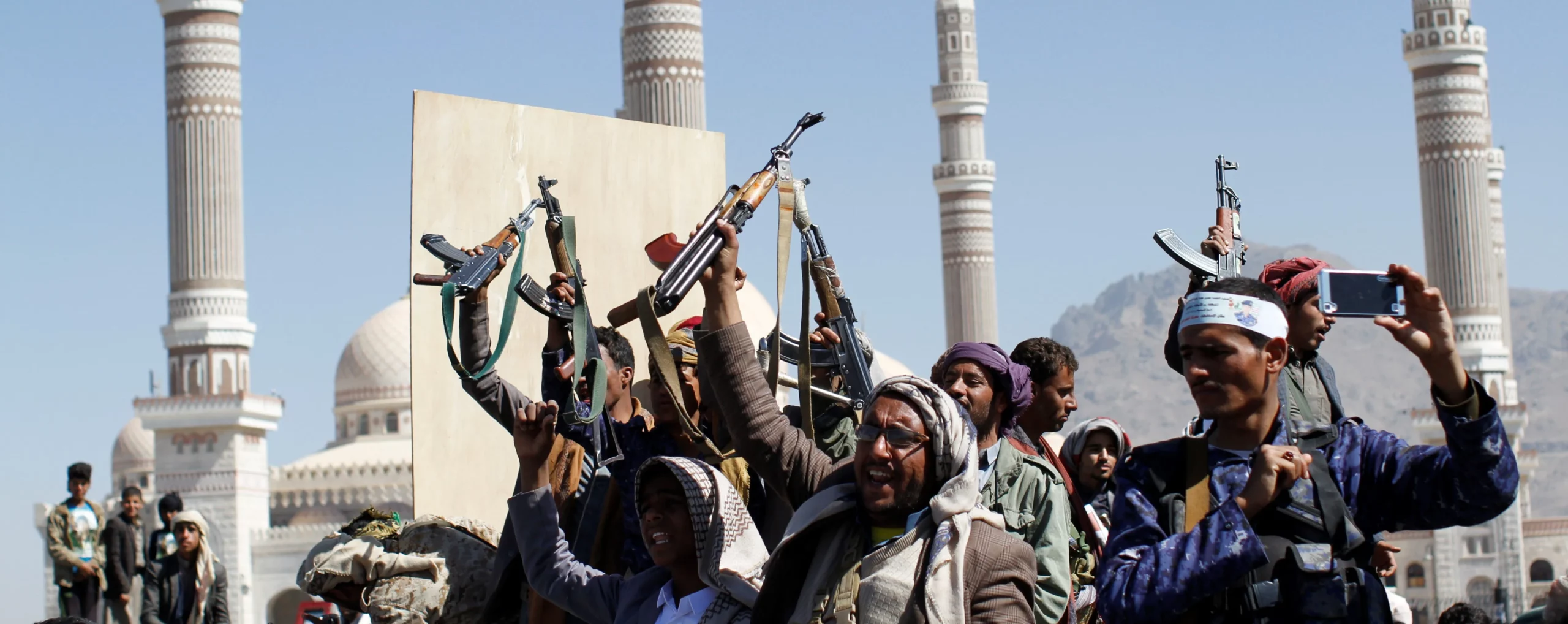
Saudi Arabia has reopened Riyadh’s main airport for the first time in two weeks, even as the Iran-backed Houthis warned it’s still a “military target” and launched another round of missiles and drones at cities across the kingdom.
Getting into it: King Khalid International Airport was partially back up and running Sunday, with national carriers flying international routes out of Terminal 2 and domestic flights moved to Terminal 1, though few flights appeared to be operating. The airport had been shut since an Oct. 10 Houthi missile strike that left at least 13 dead and more than 300 wounded, making it the worst strike on the kingdom in over 10 years.
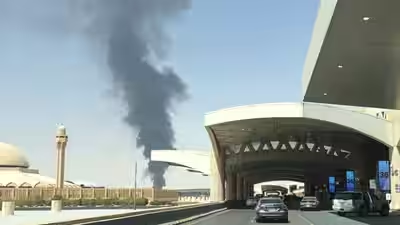
The Saudi-led coalition said it intercepted two drones and a ballistic missile headed for Riyadh, a cruise missile aimed at Khamis Mushait and 10 more ballistic missiles launched toward the south of the country. Debris from intercepted missiles also fell in Jeddah, Taif and parts of Mecca province. The Houthis said they carried out seven operations targeting the Riyadh airport, Aramco facilities in Yanbu and other airports and oil infrastructure. The fighting, along with Trump’s remarks suggesting new US and Israeli strikes on Iran after the midterms, sent Brent crude to its highest level since April, settling at $116.72 a barrel Friday.
The Gulf Cooperation Council called the missile interceptions over Mecca “a grave violation of the sanctity of the Holy Sites,” though the Houthis deny targeting Muslim holy sites, and the UAE condemned the attacks as a violation of Saudi sovereignty. In Egypt, President Abdel Fattah al-Sisi asked lawmakers to approve sending troops to Saudi Arabia’s defense, saying “Egypt will take any measures requested by Saudi Arabia to protect and defend it,” and said any deployment would be purely defensive.
Egypt’s constitution requires two-thirds of Parliament to approve any combat deployment abroad, and lawmakers held an emergency session Sunday ahead of a vote.
This all comes as the Houthis say their near-daily attacks on Saudi Arabia are retaliation for deadly Saudi airstrikes in Yemen, where fighting has escalated sharply in recent weeks. The violence picked back up after government forces attacked Sanaa’s airport to block a Houthi delegation arriving from Tehran, and the Houthis responded in September with a surprise offensive that captured much of Yemen’s western coast, including the city of Mocha.
Saudi Arabia then stepped up its strikes, and on Oct. 5 government-aligned forces launched “Operation Dawn of Yemen” to retake the lost territory, claiming 736 strikes on Houthi positions in a single day.