Already a subscriber? Make sure to log into your account before viewing this content. You can access your account by hitting the “login” button on the top right corner. Still unable to see the content after signing in? Make sure your card on file is up-to-date.
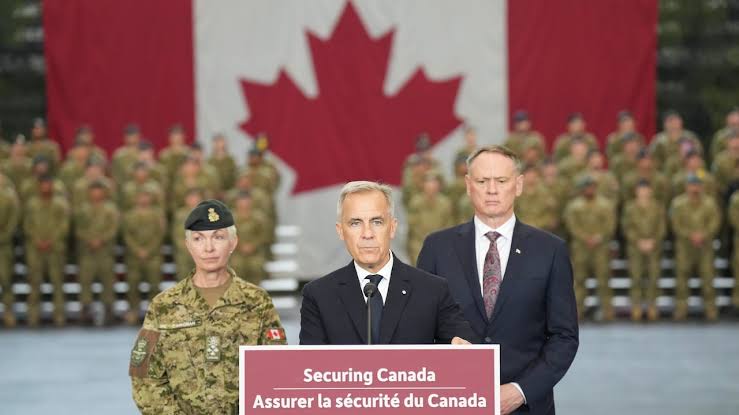
Canadian Prime Minister Mark Carney said he has prepared for the possibility that the US could take military action against Canada.
Getting into it: In an interview with the New York Times, Carney said, “I think you have a responsibility in these roles to look at extreme tail risk. That’s just risk management. That’s not a base case, but it would be irresponsible not to.” When the Times asked whether he takes President Trump’s “51st state” talk seriously, Carney said he had gamed out a US invasion but wouldn’t say what that work looked like. “Extreme tail risk” is a finance term for an outcome that’s very unlikely but not impossible.

Defense Minister David McGuinty also declined to share details Thursday, saying “all militaries in the world spend time analyzing risk scenarios” and that Canadians should take it as “a tail risk.” Retired Lt.-Gen. Andrew Leslie, who once ran the Canadian defense office that writes contingency plans, told CBC News those plans would have been updated after Trump’s 2024 election and likely got a closer look after the administration threatened in January to take Greenland militarily.
Trump ruled out using the military against Canada more than a year ago, saying he would rely on economic pressure instead. Earlier this month, Adm. Samuel Paparo, head of US Indo-Pacific Command, called a question about invading Canada “absolutely and utterly preposterous.”
Still, Carney told the Times that Canada is reducing its dependence on the US in areas like Starlink, Elon Musk’s satellite internet service, and is taking a second look at the F-35 fighter jets it planned to buy from Lockheed Martin. He also said he has spoken with Trump “frequently” and is still open to a trade deal.
This all comes as US-Canada relations have hit a low point after a trade deal fell apart at the eleventh hour last month and the two countries traded tariffs. Trump also warned earlier this month that he could put “very serious tariffs” on Europe if Canada’s reported move toward becoming an associate EU member turns out to be a “hostile act.”