Already a subscriber? Make sure to log into your account before viewing this content. You can access your account by hitting the “login” button on the top right corner. Still unable to see the content after signing in? Make sure your card on file is up-to-date.
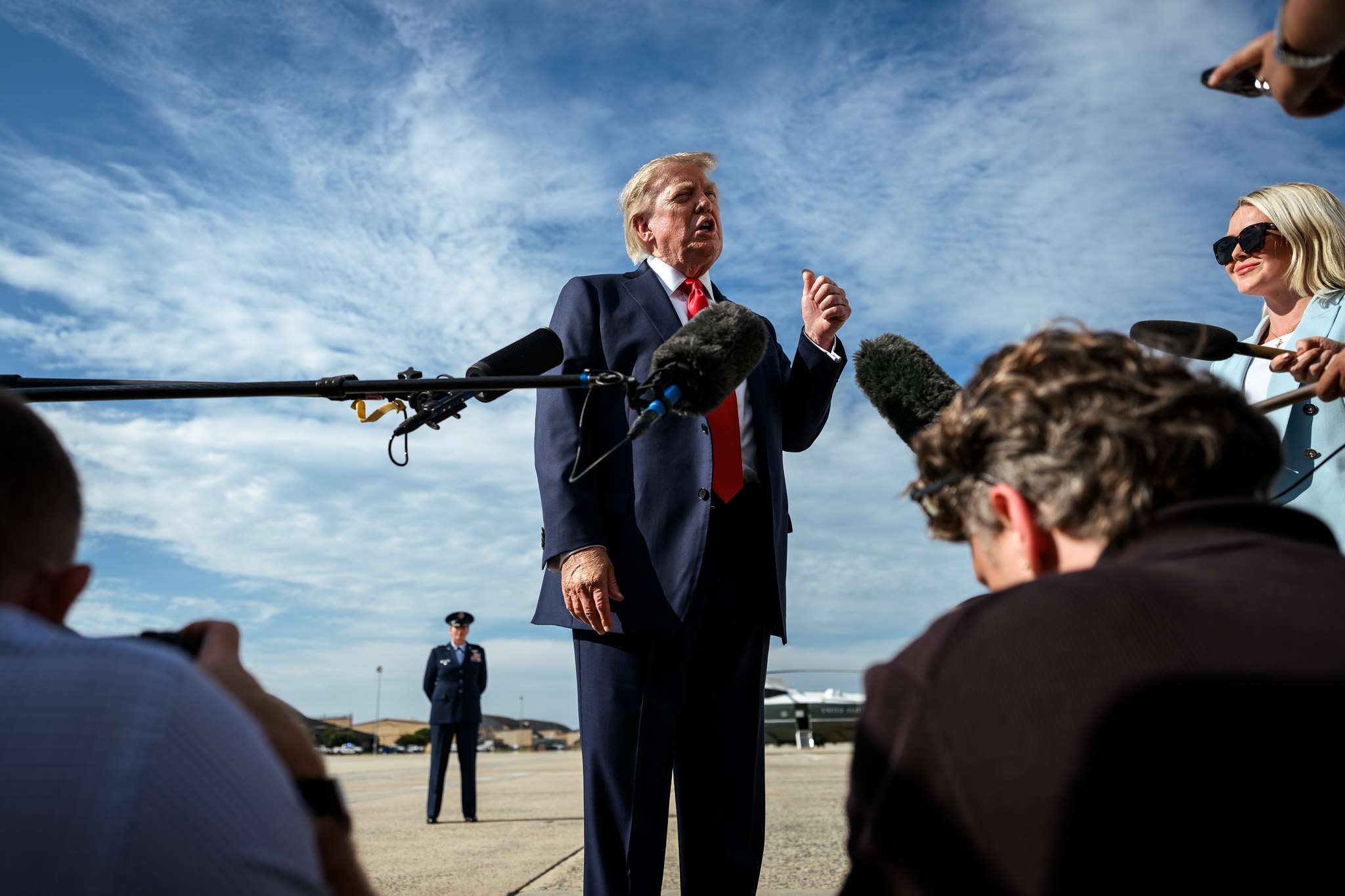
President Trump has signed a Russia sanctions bill into law, handing himself the power to slap tariffs of up to 100% on the biggest buyers of Russian oil and gas.
Getting into it: Trump signed the Lindsey O. Graham Sanctioning Russia and Iran Act of 2026 on Friday, two days after the House passed it 262-159, with 58 Democrats voting yes, and a month after it cleared the Senate 86-11. It’s the first big Ukraine bill lawmakers have gotten across the finish line in over two years.
The law sanctions Vladimir Putin, senior Russian officials and oligarchs, Russian banks, and the country’s energy and defense sectors, along with the shadow fleet of tankers Moscow relies on to sneak its oil past Western restrictions and the overseas networks that help it get around the rules. It also lets Trump hit the five largest importers of Russian oil or gas with tariffs of up to 100%, a threat aimed squarely at China and India. Any country that takes in under 15% of Russia’s gas exports and has already meaningfully cut back gets a pass.

Trump only got on board after lawmakers agreed to keep the existing Iran sanctions in place for another five years, something he’d been demanding. The final version gives him wide discretion over which countries get tariffed, at what rate, and whether to waive sanctions altogether.
In a statement, Sen. Darline Graham said, “I wish Lindsey were here to celebrate this historic day. I know he would be so proud. Lindsey believed this bill, which he worked on for well over a year, would help end the war through squeezing Putin economically and forcing his customers to reevaluate their relationship with Russia.”
Still, House Minority Leader Hakeem Jeffries criticized the bill, saying, “Why in the world would this Congress or the People’s House give this president unfettered authority to visit more tariffs on the world that will have an adverse economic impact on the American people? I can’t do it.”
Jeffries and other Democratic critics warned that Trump could turn the new tariff powers on the European Union and others, and that the tariffs could stay in place well after he leaves office, a particular concern since the Supreme Court ruled he could not impose tariffs under the 1977 International Emergency Economic Powers Act.
Related posts:
 Updates From Middle East
 Senate Passes Russia & Iran Sanctions Bill Named for Lindsey Graham
 Annual US Threat Assessment Says Russia Has ‘Upper Hand’ in Ukraine, Circumvents Sanctions via China & BRICS Nations
 Lawmakers Introduce Bill to Ramp Up Sanctions on Russia, Would Target Countries Like China, India, & Turkey for Trade Ties